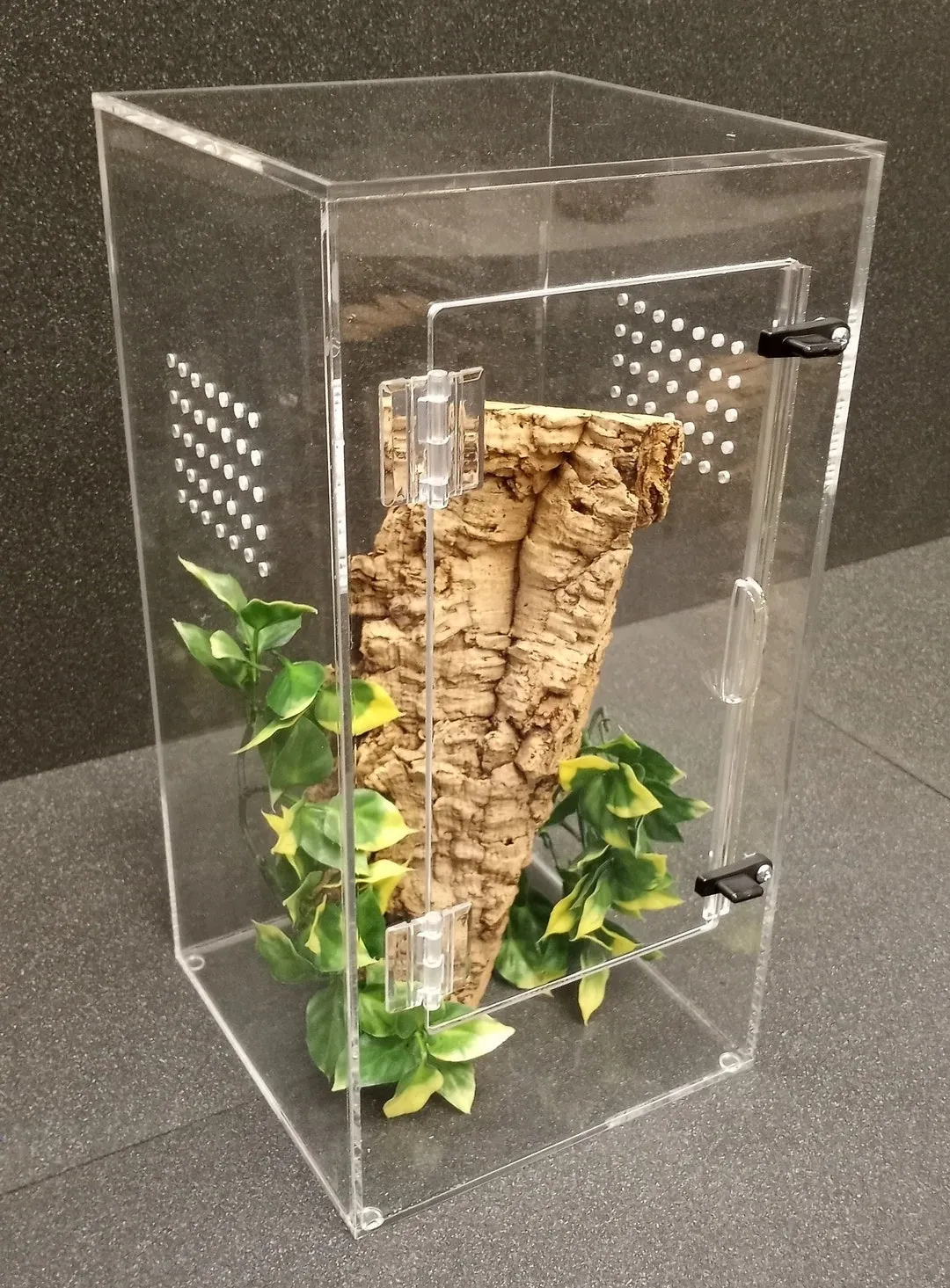
Creating the ideal home for your acrylic tarantula is crucial for its health, well-being, and longevity. An acrylic enclosure offers several advantages over other housing options, providing excellent visibility, durability, and ease of maintenance. This comprehensive guide will walk you through every step of building the perfect acrylic tarantula enclosure, ensuring your eight-legged friend thrives in its new habitat. From choosing the right size and ventilation to selecting the perfect substrate and decorations, you’ll gain the knowledge needed to create a comfortable, safe, and visually appealing home for your tarantula.
Choosing the Right Acrylic Tarantula Enclosure
Selecting the right enclosure is the first and most important step. Acrylic enclosures are favored by tarantula keepers for their clarity, allowing for unobstructed viewing of your pet. They are also generally more durable and lighter than glass equivalents. When choosing an enclosure, several factors should be considered to ensure it meets your tarantula’s needs.
Size Matters Considering Your Tarantula’s Species and Size
The size of your acrylic tarantula enclosure should be appropriate for the species and size of your tarantula. A juvenile tarantula will need a smaller enclosure than an adult. Overly large enclosures can make it difficult for juveniles to find food and feel secure, while enclosures that are too small can restrict growth and movement. As a general rule, the enclosure should be at least three times the tarantula’s leg span in width and length. Consider the adult size of the tarantula when choosing an enclosure for a juvenile, as they grow relatively quickly. A larger enclosure will also provide more space for decorations and enrichment. It is recommended to look into enclosure for the specific species of your tarantula.
Ventilation and Airflow Preventing Mold and Mildew

Proper ventilation is essential to prevent the buildup of moisture, which can lead to mold and mildew growth, harmful to your tarantula’s health. Acrylic tarantula enclosures typically have ventilation holes or mesh vents in the lid and sometimes on the sides. Ensure the ventilation is adequate for your tarantula’s species; some species prefer more humid environments than others. Avoid blocking ventilation openings with substrate or decorations. Regularly inspect the enclosure for any signs of excessive moisture or condensation, and adjust ventilation accordingly. Good airflow also helps regulate temperature within the enclosure, preventing overheating and ensuring the comfort of your tarantula.
Acrylic vs Glass Advantages and Disadvantages
Acrylic enclosures offer several advantages over glass, including being lighter, more durable, and providing better insulation. Acrylic also offers superior clarity, allowing for a clearer view of your tarantula. However, acrylic can scratch more easily than glass, so extra care is needed when cleaning and maintaining the enclosure. Glass enclosures are often more readily available and can be more affordable. They are also resistant to scratching. However, they are heavier and can be more prone to cracking or breaking. Consider the long-term benefits and drawbacks when making your choice, taking into account factors like cost, maintenance, and aesthetic preferences.
Essential Acrylic Tarantula Enclosure Accessories
Once you have selected your acrylic tarantula enclosure, it’s time to gather essential accessories to create a comfortable and stimulating environment for your pet. These accessories play a crucial role in maintaining the correct humidity and temperature levels, providing hiding places, and enriching your tarantula’s life.
Substrate Selection Creating a Comfortable Environment

The substrate is the bedding material that covers the bottom of your acrylic tarantula enclosure. It serves several purposes including absorbing waste, maintaining humidity, and providing a comfortable surface for your tarantula. The best substrate choice depends on the species of tarantula. Common options include coconut fiber (coco coir), peat moss, and vermiculite. Coco coir is a popular choice as it holds moisture well, is readily available, and is relatively inexpensive. Peat moss offers good humidity retention and a natural appearance, while vermiculite is excellent at maintaining humidity. Avoid using substrates with sharp edges or those that can easily harbor mites. Consider the specific needs of your tarantula’s species when selecting the substrate. Proper substrate is crucial for burrowing species.
Hiding Places and Decorations Enriching Your Tarantula’s Life
Tarantulas are naturally secretive creatures, and providing them with hiding places is essential for their well-being. Hiding places provide a sense of security and reduce stress. Appropriate decorations will enrich your tarantula’s life and provide an engaging environment. Cork bark, artificial plants, and hollow logs are excellent choices. Ensure decorations are clean, nontoxic, and appropriately sized for your tarantula. Avoid anything that could potentially trap or harm your tarantula. The goal is to mimic their natural habitat as much as possible. Position the hiding places in a way that allows the tarantula to easily access them and create a comfortable retreat. Provide multiple options to encourage exploration.
Water and Humidity Maintaining Optimal Conditions
Maintaining the correct humidity levels is vital for your tarantula’s health and molting process. A shallow water dish is a necessity, providing fresh water at all times. The size of the water dish should be appropriate for the size of your tarantula, preventing potential drowning hazards for smaller specimens. Regular misting with dechlorinated water is important to maintain humidity levels. The frequency of misting depends on the species of tarantula. Use a hygrometer to monitor humidity levels accurately. Place the enclosure away from direct sunlight and drafts to maintain stable conditions. Some species require higher humidity than others, so research the specific needs of your tarantula species. Regular monitoring and adjustments are critical to ensure your tarantula’s well-being.
Setting Up Your Acrylic Tarantula Enclosure Step-by-Step

Setting up your acrylic tarantula enclosure correctly is crucial for the health and happiness of your pet. A well-prepared enclosure provides a comfortable and safe environment. Proper setup prevents potential hazards and provides an enriching habitat.
Preparing the Enclosure Cleaning and Sanitizing
Before introducing anything into your acrylic tarantula enclosure, it’s important to thoroughly clean and sanitize it. Wash the enclosure with warm water and a mild, unscented soap. Rinse thoroughly to remove any soap residue. Allow the enclosure to dry completely before adding any substrate or decorations. This will eliminate any potential contaminants and prevent the buildup of harmful bacteria or mold. A clean enclosure promotes a healthy environment for your tarantula. If the enclosure is used, sanitizing ensures removal of any residue from the previous occupant.
Adding Substrate and Decorations Creating the Habitat
Once the enclosure is clean and dry, you can add the substrate. Spread the substrate evenly across the bottom of the enclosure. The depth of the substrate will depend on the species of your tarantula. Burying species require a deeper layer to allow them to burrow, while terrestrial species might only need a few inches. Arrange the hiding places and decorations in a way that creates a naturalistic environment and provides your tarantula with various options for shelter and exploration. Ensure the decorations are stable and will not topple over, potentially harming your tarantula. Prioritize safety and aesthetic appeal when positioning the decorations. Creating a visually appealing and enriching habitat will contribute to your tarantula’s well-being.
Introducing Your Tarantula Acclimating to the New Home

Once you’ve set up the enclosure, it’s time to introduce your tarantula. Place the tarantula in its new home gently. Allow the tarantula to explore its surroundings at its own pace. Initially, the tarantula may be shy and hide. Give the tarantula time to settle in and acclimate to its new environment. Avoid disturbing it unnecessarily during the first few days. Observe your tarantula’s behavior to ensure it is adjusting well to its new home. Monitor its eating habits and activity levels. If the tarantula seems stressed, provide more hiding places or adjust the temperature and humidity. Proper acclimation is essential for your tarantula’s long-term health and happiness.
Maintaining Your Acrylic Tarantula Enclosure
Maintaining your acrylic tarantula enclosure is essential for creating a healthy environment for your pet. Regular cleaning, monitoring, and appropriate care ensure your tarantula thrives. Consistent maintenance will also prolong the life of your acrylic enclosure.
Regular Cleaning and Maintenance Schedule
Establish a regular cleaning and maintenance schedule to keep the enclosure in optimal condition. Spot-clean the enclosure daily, removing any uneaten food, feces, or other debris. Perform a partial substrate change every few weeks, replacing a portion of the substrate with fresh material. The frequency of substrate changes depends on the species and the amount of waste produced. Clean the water dish regularly, replacing the water with fresh, dechlorinated water. Inspect the enclosure for mold, mildew, or other signs of trouble. Clean the enclosure thoroughly at least once a month. Following a consistent schedule helps prevent health problems. This also ensures the enclosure remains a pleasant environment for you and your tarantula.
Monitoring Humidity and Temperature

Continuously monitor the humidity and temperature levels in your acrylic tarantula enclosure using a hygrometer and a thermometer. Adjust the ventilation, misting frequency, and heat sources to maintain the optimal conditions for your tarantula’s species. Keep records of temperature and humidity to identify any trends and make adjustments as needed. Avoid placing the enclosure in direct sunlight or near heat sources that could cause extreme temperature fluctuations. Understanding your tarantula’s needs is critical. This will help you provide the perfect environment. Proper monitoring prevents environmental stress. It also promotes healthy molting cycles and overall well-being.
Feeding and Watering Your Tarantula
Feeding your tarantula and providing fresh water are essential aspects of enclosure maintenance. Feed your tarantula appropriately sized insects. The frequency of feeding depends on the tarantula’s age and species. Provide a shallow water dish filled with fresh, dechlorinated water. Ensure the water dish is always accessible. Remove any uneaten food items within 24 hours to prevent the growth of mold and bacteria. Observe your tarantula’s eating habits and adjust feeding accordingly. A well-fed and hydrated tarantula is a healthy tarantula. Regular care creates a thriving habitat for your pet.
Building and maintaining the perfect acrylic tarantula enclosure is an ongoing process. By following these guidelines, you can create a safe, comfortable, and stimulating environment where your tarantula can thrive. Remember to research the specific needs of your tarantula’s species and adjust your setup and maintenance routine accordingly. With proper care, your acrylic tarantula will provide you with years of fascination and enjoyment.