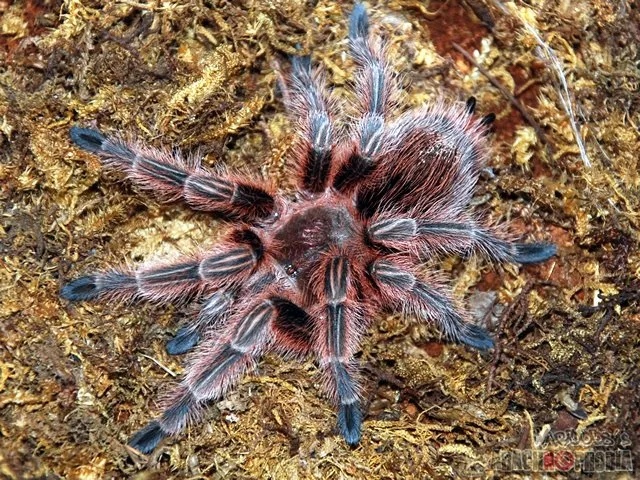
Understanding the Chilean Rose Tarantula’s Anatomy
The Chilean Rose Tarantula (Grammostola rosea), a popular pet, fascinates enthusiasts with its relatively docile nature and striking appearance. But beyond its beauty lies a complex and intriguing anatomy. Understanding the various parts of a Chilean Rose Tarantula provides valuable insight into its survival strategies, behavior, and how it interacts with its environment. This comprehensive exploration will delve into the specifics of its exoskeleton, internal organs, sensory systems, and the fascinating process of molting. Gaining a solid understanding of this intricate structure will not only enhance your appreciation for these creatures but will also improve your ability to care for them.
Exoskeleton Structure and Function
The exoskeleton is the hard, protective outer covering of the Chilean Rose Tarantula, playing a crucial role in its survival. This external skeleton is composed primarily of chitin, a tough, flexible polysaccharide, providing protection against predators and physical damage. The exoskeleton also supports the tarantula’s body, giving it shape and allowing for muscle attachment. It also serves as a barrier, preventing water loss, which is essential for survival in arid environments where these tarantulas often reside. Because the exoskeleton is rigid, it necessitates a unique growth process called molting, which we will explore later.
The Role of the Carapace

The carapace is the dorsal (upper) portion of the cephalothorax (fused head and chest region) of the tarantula. This shield-like structure protects the vital organs located within the cephalothorax, including the brain, heart, and stomach. The carapace also houses the eyes and mouthparts. The shape and markings of the carapace can sometimes be used to differentiate between different species of tarantulas, although this requires a trained eye and specialized knowledge. Its robust structure is crucial for the tarantula’s survival, shielding it from harm during movement and potential attacks.
The Function of the Abdomen
The abdomen is the posterior (rear) section of the tarantula’s body, and it is where the majority of the internal organs are located. The abdomen is typically larger and more flexible than the cephalothorax. It houses the heart, digestive system, reproductive organs, and book lungs, which are responsible for respiration. The abdomen’s size can vary depending on the tarantula’s feeding habits; a well-fed tarantula will have a plumper abdomen, whereas a tarantula that hasn’t eaten recently will have a smaller one. The abdomen’s flexibility allows the tarantula to move and navigate through tight spaces.
Leg Anatomy and Movement
Chilean Rose Tarantulas have eight legs, each consisting of multiple segments that allow for a wide range of movement. The legs are crucial for locomotion, hunting, climbing, and sensory perception. The legs are covered with sensory hairs, called setae, which help the tarantula detect vibrations, air currents, and the presence of prey or potential threats. The arrangement and length of the leg segments contribute significantly to the tarantula’s ability to move across various terrains. These legs enable these creatures to be surprisingly agile hunters and skillful climbers.
Leg Segments and Their Purposes

Each leg is composed of seven segments: the coxa, trochanter, femur, patella, tibia, metatarsus, and tarsus. The coxa connects the leg to the body, while the trochanter acts as a small joint. The femur is the longest and strongest segment, providing the primary support. The patella is a small segment that acts as a hinge. The tibia and metatarsus offer the leg’s main length and flexibility. Finally, the tarsus, the last segment, is equipped with claws that provide grip, allowing the tarantula to climb and hold onto surfaces effectively. Understanding the function of each segment offers valuable insight into the sophisticated mechanics of a tarantula’s movement.
The Role of the Spinnerets
Spinnerets are specialized appendages located at the rear of the abdomen, responsible for producing silk. Chilean Rose Tarantulas have two pairs of spinnerets, and these structures are used to create the silk used for various purposes, including creating webs, lining burrows, and wrapping prey. The silk produced by the spinnerets is incredibly strong and flexible, allowing the tarantula to build elaborate structures for both shelter and hunting. The silk’s properties are vital for the tarantula’s survival, and the spinnerets are, therefore, crucial for the tarantula’s daily life.
Internal Anatomy of the Chilean Rose Tarantula
The internal anatomy of the Chilean Rose Tarantula, though hidden from view, is equally fascinating and critical to the tarantula’s survival. Understanding these internal systems provides insight into how these animals function on a biological level. The efficiency and adaptation of their internal systems are testament to the success of this species. Let’s examine the digestive, respiratory, and circulatory systems and how they work together.
The Digestive System

Tarantulas have a unique digestive system. They are external digesters, meaning they inject digestive enzymes into their prey to break down the tissues externally. The tarantula then sucks up the liquefied nutrients. The digestive system includes the mouthparts (chelicerae and fangs), a pharynx, an esophagus, a stomach, and intestines. This system is highly efficient, enabling tarantulas to extract maximum nutrients from their meals. This digestive strategy is key to their survival in environments where food availability may vary.
The Respiratory System
Chilean Rose Tarantulas breathe through book lungs, which are located in the abdomen. Book lungs are stacked, plate-like structures that facilitate gas exchange. Air enters the lungs through small openings called spiracles, and oxygen is absorbed into the hemolymph (the tarantula’s version of blood). The book lungs are highly efficient, enabling the tarantula to extract oxygen from the air. Their structure is designed to maximize surface area for effective gas exchange, essential for maintaining energy levels and overall health.
The Circulatory System
The circulatory system of a Chilean Rose Tarantula is an open system, meaning that the hemolymph (blood) circulates freely throughout the body cavity. The heart, located in the abdomen, pumps the hemolymph through vessels and sinuses, delivering nutrients and oxygen to the tissues. The hemolymph then returns to the heart. This system is effective, allowing for the efficient transport of vital substances. The open circulatory system is a common feature in arthropods, well-suited for their size and lifestyle.
Sensory Organs and How They Work

Chilean Rose Tarantulas have a variety of sensory organs that allow them to perceive their environment. Their sensory capabilities are essential for hunting, avoiding predators, and navigating their surroundings. They have eyes, sensory hairs (setae), and chemoreceptors, all working together to gather information. These sensory systems enable the tarantula to locate prey, detect threats, and find suitable habitats. Their reliance on senses other than sight, such as touch and vibration, is especially notable.
Eyes and Vision
Chilean Rose Tarantulas have eight eyes, arranged in two rows on the cephalothorax. However, their vision is not as sharp as that of many other animals. They are primarily adapted to detecting movement, light, and shadows. Their vision is adequate for locating prey and avoiding predators, but they rely heavily on other sensory systems, such as the sensory hairs, for detailed environmental information. The eye arrangement provides a wide field of view, allowing them to be aware of their surroundings.
Chelicerae and Fangs
Chelicerae are the mouthparts of the tarantula, located in front of the mouth. They consist of two segments, with the second segment forming the fangs. The fangs are used to inject venom into prey, paralyzing it before the tarantula begins to feed. The chelicerae also help the tarantula manipulate and consume its food. These structures are strong and efficient, allowing the tarantula to subdue and consume its prey effectively. The venom is primarily used for subduing prey, and human bites are rarely life-threatening.
Molting Process and Anatomical Changes

Molting is the process by which a tarantula sheds its exoskeleton to grow. This is a critical part of their life cycle, and it involves significant anatomical changes. As the tarantula grows, its exoskeleton becomes too small, necessitating the molting process. Molting allows the tarantula to regenerate lost limbs and repair damage, and it is a vulnerable time for the tarantula.
Preparing for Molting
Prior to molting, the tarantula may become less active and may stop eating. It creates a new, soft exoskeleton beneath its old one. This process can take several weeks or months, depending on the tarantula’s age and growth rate. The tarantula may also construct a silk mat to make it easier to flip over during the molting process. Observing these behaviors provides insight into the tarantula’s molting cycle.
Post-Molting Transformations
After molting, the tarantula is soft and vulnerable, as its new exoskeleton is still hardening. During this time, the tarantula will remain in a protected location until its new exoskeleton has fully hardened, and it can resume its normal activities. The tarantula’s size will increase, and it may exhibit changes in coloration. Molting is an essential part of the Chilean Rose Tarantula’s life, and careful observation can help ensure the safety of your tarantula during this process. The tarantula will often eat its old exoskeleton to recover nutrients.
Conclusion

Understanding the anatomy of the Chilean Rose Tarantula provides a deeper appreciation for these fascinating creatures. From the protective exoskeleton to the complex internal organs and sensory systems, every part of the tarantula’s body is designed for survival and adaptation. Whether you are a seasoned arachnid enthusiast or a curious beginner, delving into tarantula anatomy provides knowledge that will enhance your experience with these amazing animals. Careful observation and study of their biology allows us to better appreciate their unique adaptations.