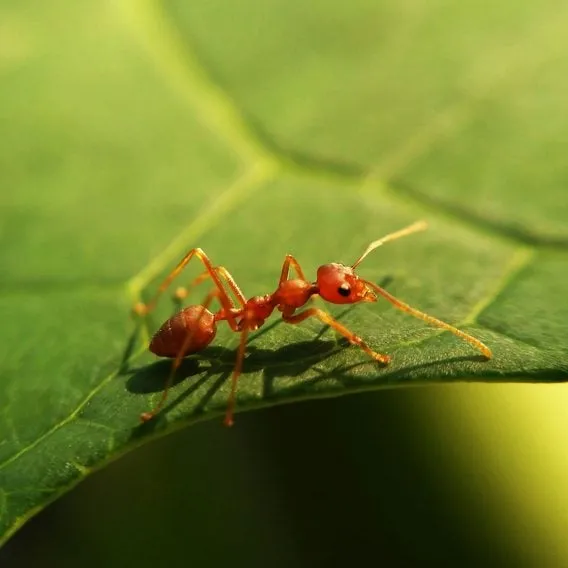
The Ant Menace to Tarantulas
Tarantulas, with their impressive size and fearsome reputation, are often perceived as apex predators in their environments. However, these fascinating arachnids are vulnerable to a variety of threats, and one of the most persistent and often underestimated dangers comes from an unlikely source ants. These tiny insects, seemingly insignificant on their own, can pose a serious threat to tarantulas, impacting their health, survival, and overall well-being. Understanding the specific dangers that ants represent is the first step in protecting your pet tarantula or in ensuring the safety of wild tarantulas from these pervasive pests. The following will highlight the various ant species that pose a threat and the dangers they represent.
Ant Species and Tarantula Threats
Different ant species possess unique characteristics and behaviors, and some are more dangerous to tarantulas than others. Identifying the specific types of ants in your environment is crucial for effective prevention and control. Some ant species are particularly aggressive or possess potent venom, making them a greater threat. A few of the most dangerous types of ants will be discussed below.
Fire Ants

Fire ants, known for their painful stings and aggressive nature, are a significant threat to tarantulas. Their venomous sting can cause serious harm, and their swarming behavior can overwhelm a tarantula. Fire ants are particularly dangerous due to their ability to quickly swarm and attack, and they can inflict multiple stings, leading to significant injury or even death of the tarantula. Fire ants are typically found in warmer climates and can easily invade tarantula habitats, making them a major concern for pet owners and anyone interested in tarantula conservation. (Image fire-ants-tarantula.webp)
Pharaoh Ants
Pharaoh ants are small, but they can be a persistent nuisance, infesting homes and other environments. While their sting is not as potent as that of fire ants, they can still pose a threat to tarantulas, particularly smaller specimens or those that are vulnerable. Pharaoh ants can easily enter tarantula enclosures and can be difficult to eliminate completely, which can lead to ongoing issues. Due to their small size and ability to colonize in hidden locations, they can establish themselves in a tarantula habitat before they are noticed, allowing them to attack the tarantula without notice. This is a major concern.
Argentine Ants
Argentine ants are another invasive species that can pose a threat to tarantulas. They are highly adaptable and can form massive colonies, making them a formidable opponent. Argentine ants are known for their aggressive behavior, and they can quickly overwhelm a tarantula, especially if the tarantula is molting or otherwise vulnerable. They often displace native ant species, creating a disruption in the ecosystem. The sheer number of Argentine ants can create a dangerous environment for tarantulas, increasing the likelihood of an attack. Managing these infestations is important to the safety of tarantulas.
The Five Main Dangers Ants Pose to Tarantulas

Ants threaten tarantulas in a variety of ways, some more direct than others. Understanding these dangers is important for protecting tarantulas. The following five points identify the most dangerous ways ants impact tarantula life.
Ant Bites and Tarantula Damage
Ant bites can cause direct physical damage to tarantulas, particularly to their legs, abdomen, and other vulnerable areas. Ant bites can cause localized irritation, inflammation, and even tissue damage, which can affect the tarantula’s ability to move, hunt, and defend itself. The severity of the damage depends on the size and aggressiveness of the ant, as well as the size and health of the tarantula. Some ants possess strong mandibles and can inflict significant damage, while others inject venom that can cause additional harm. (Image tarantula-bite.webp)
How Ants Invade Tarantula Habitats
Ants can invade tarantula habitats through various means, including cracks in enclosures, open vents, and even by hitching rides on plants or other items. Once inside, they can quickly establish colonies and begin to pose a threat. A common entry point is through poorly sealed enclosures or gaps around lids and doors, but they can also burrow through substrate. This is why a well-maintained and sealed enclosure is important. Ants can also enter a home through windows, doors, or other openings. Proper sealing and regular inspection of the enclosure are important to avoid an infestation. (Image ant-habitat.webp)
Ants Competing for Food

Ants can compete with tarantulas for food resources. This is particularly concerning in captive environments where food availability is controlled. If ants are present, they can steal food from the tarantula, reducing its nutritional intake. This competition can lead to malnutrition and weaken the tarantula, making it more susceptible to other threats. Even in the wild, ants can consume insects and other prey items that tarantulas rely on. This can disrupt the natural food chain and negatively impact the tarantula population.
Ants Spreading Diseases
Ants can act as vectors for diseases, spreading pathogens and parasites that can harm tarantulas. They can pick up bacteria, fungi, and other microorganisms from contaminated surfaces and transmit them to the tarantula. This can lead to infections and other health problems, potentially leading to a decrease in the lifespan of the tarantula. Ants are also known to carry parasites that can infect tarantulas, further compromising their health. Maintaining a clean and sanitary environment is critical for preventing the spread of disease.
Ants as Tarantula Predators
In some cases, ants can act as direct predators of tarantulas, especially vulnerable individuals such as spiderlings, molting tarantulas, or those that are sick or injured. Ants can swarm and attack these weakened spiders, inflicting bites and ultimately killing them. This behavior is more common with aggressive ant species and in environments where the tarantula is unable to escape or defend itself. This poses a significant threat to the survival of tarantulas, especially in areas with high ant populations. (Image tarantula-and-ants.webp)
Preventing Ants [Top Methods]

Taking preventive measures is essential for protecting tarantulas from ants. Prevention is often easier and more effective than dealing with an existing infestation. This section discusses some effective strategies for keeping ants away.
Habitat Maintenance and Cleaning
Keeping the tarantula’s habitat clean and well-maintained is the first line of defense against ants. Regularly remove any uneaten food, shed exoskeletons, and other debris that might attract ants. Thoroughly clean the enclosure with appropriate cleaners, but avoid harsh chemicals that could harm the tarantula. Proper ventilation is also important to keep the environment healthy. Proper cleaning of the habitat will remove food sources and eliminate attractants, which will help prevent ant infestations. Regular cleaning also helps maintain the tarantula’s health.
Using Natural Ant Repellents
Using natural ant repellents around the enclosure can help deter ants. These include substances like cinnamon, vinegar, citrus peels, and diatomaceous earth. These substances can be sprinkled around the outside of the enclosure to create a barrier. It’s important to ensure that any repellents used are non-toxic to tarantulas. When using repellents, be sure to carefully monitor the tarantula and habitat. (Image ant-repellent.webp)
Creating Barriers and Traps

Creating physical barriers and traps can help prevent ants from reaching the tarantula’s enclosure. This could include placing the enclosure on a surface that is difficult for ants to climb, using sticky tape around the base, or creating moats filled with water. Ant traps can also be used, but it’s essential to choose traps that are safe for tarantulas and placed in areas where the tarantula cannot access them. Be certain to follow all safety procedures when using barriers and traps to prevent the tarantula from coming into contact with the ant traps.
Regular Tarantula Health Checks
Regularly inspect the tarantula for any signs of ant bites or other injuries. Early detection is essential for prompt treatment. Check the tarantula’s body, legs, and other areas for any bites, swelling, or other abnormalities. Also, observe the tarantula’s behavior, looking for signs of distress or discomfort. It’s also critical to assess the habitat for ant activity. This will involve looking for ants and any evidence that ants have been present. Early detection allows for faster intervention and protection of the tarantula. (Image tarantula-health-check.webp)
Recognizing and Treating Ant Infestations
Even with preventative measures, ant infestations can still occur. Knowing how to recognize and treat an infestation is crucial for tarantula health and safety. The following section provides guidance on how to deal with ant invasions.
Identifying Ant Activity

Identifying ant activity is the first step in addressing an infestation. Look for ants within and around the tarantula’s enclosure. Check for ant trails, and be aware that ants often travel in a single file. Inspect the habitat for signs of ants, such as small piles of dirt or debris. Identify the species of ant, if possible. Understanding what type of ant has invaded the habitat will assist in applying the right treatment.
Removing Ants Safely
When removing ants, it is important to take the necessary precautions. If possible, remove the tarantula from the enclosure. Use a vacuum cleaner or a damp cloth to remove the ants. Avoid the use of pesticides inside the tarantula’s enclosure, as they can be harmful. Make sure that you do not disturb the tarantula, and always put the tarantula back in its enclosure after the ant removal. (Image ant-infestation.webp)
Seeking Expert Help
If the infestation is severe or if you are unsure how to proceed, it is best to seek the help of a professional pest control service or a veterinarian experienced in exotic animals. They can accurately identify the ant species, assess the extent of the infestation, and recommend the most effective and safe treatment options. Do not hesitate to seek professional help, as early and effective treatment is critical for the tarantula’s well-being.
In conclusion, ants pose a significant threat to tarantulas, with various species presenting different dangers. By understanding these threats, implementing preventive measures, and knowing how to address infestations, you can protect your pet tarantula and contribute to the conservation of these fascinating arachnids. Regular monitoring, habitat maintenance, and prompt action are key to ensuring a safe and healthy environment for your tarantula.