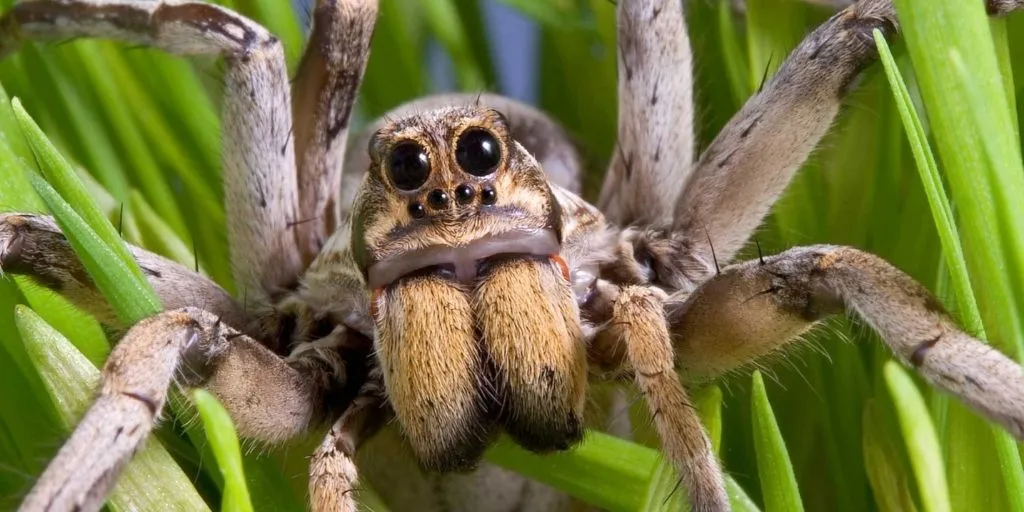
The Venomous Nature of Tarantulas
The world of arachnids often evokes a mix of fascination and fear, and tarantulas are no exception. These large, hairy spiders, with their imposing size and sometimes intimidating appearance, frequently spark questions about their venomous capabilities. The simple answer is yes, tarantulas are venomous. However, the more complex truth lies in understanding the nuances of their venom, its effects, and the potential risks associated with these fascinating creatures. This article delves into five key facts to provide a comprehensive understanding of tarantula venom.
Fact 1 Tarantula Venom Composition
Tarantula venom is a complex mixture of proteins, enzymes, and other compounds designed to immobilize and, in some cases, digest their prey. The precise composition of the venom varies depending on the species of tarantula, with hundreds of different compounds identified. These compounds primarily function as neurotoxins, affecting the nervous system of the prey. Other components can cause tissue damage or interfere with blood clotting. The venom’s primary function is to subdue prey, making it easier for the tarantula to consume it. The evolution of tarantula venom has played a crucial role in their survival, allowing them to effectively hunt a diverse range of insects and small animals.
Fact 2 The Effects of Tarantula Venom on Humans

While tarantulas are venomous, their venom is generally not considered highly dangerous to humans. The effects of a tarantula bite are often compared to a bee sting. The venom is primarily designed to affect smaller creatures, and human bodies are generally more robust. However, the effects can vary depending on the individual, the species of tarantula, and the amount of venom injected. In most cases, the bite results in localized pain, swelling, redness, and itching at the site of the bite. More severe reactions are rare but possible, particularly in individuals with allergies or pre-existing health conditions.
Subheading Symptoms of a Tarantula Bite
The symptoms of a tarantula bite can range from mild to moderate. Common symptoms include immediate pain, similar to a bee sting, localized swelling, redness, and itching around the bite area. Some individuals may experience muscle cramps, nausea, or headaches. More severe reactions are less common but may include difficulty breathing, dizziness, or a rapid heart rate. It is essential to monitor the bite site and be aware of these potential symptoms. Any unusual or severe reactions require prompt medical attention to ensure proper diagnosis and treatment.
Subheading Severity of Tarantula Bites
The severity of a tarantula bite is generally considered to be low for humans. Most bites result in only minor symptoms, such as localized pain and swelling, which typically resolve within a few days. However, the severity can vary depending on several factors, including the species of tarantula, the amount of venom injected, the individual’s sensitivity, and any allergic reactions. Though fatalities are extremely rare, individuals with allergies to insect venom or those with underlying health conditions may experience more serious complications. Prompt medical attention is recommended if severe symptoms arise after a tarantula bite.
Fact 3 Are All Tarantulas Venomous

Yes, all tarantulas are venomous, although the potency of their venom can vary between species. The venom is an essential tool for subduing prey. However, the impact of the venom on humans is generally mild. The venom is primarily designed for smaller creatures. While the venom helps with hunting, the spiders have other defense mechanisms, such as urticating hairs, which can cause irritation if they come into contact with the skin. The venom is a crucial part of their survival, ensuring they can successfully hunt and consume their food.
Fact 4 Tarantula Venom and Prey
The primary function of tarantula venom is to immobilize and, in some cases, begin the digestion of their prey. When a tarantula bites an insect, rodent, or other creature, the venom rapidly takes effect, paralyzing the prey. The venom contains enzymes that break down the tissues of the prey, allowing the tarantula to consume its meal more easily. This process is crucial for the tarantula’s survival, providing them with the necessary nutrients. The effectiveness of the venom varies based on the tarantula species and the type of prey, showing how well adapted they are to their environment.
Fact 5 First Aid for a Tarantula Bite
If bitten by a tarantula, it is essential to take the following steps. First, remain calm and try to identify the tarantula species, if possible. Clean the bite area with mild soap and water. Apply a cold compress to reduce pain and swelling. If the symptoms worsen or the individual experiences difficulty breathing or other severe reactions, seek immediate medical attention. Antihistamines or pain relievers may be used to alleviate discomfort. While most bites are not life-threatening, proper care and monitoring are crucial to ensure a quick recovery.
Do Tarantulas Pose a Threat?

In general, tarantulas do not pose a significant threat to humans. Their venom is not highly toxic to humans, and bites are rarely life-threatening. However, it’s essential to respect these creatures and take necessary precautions. The main concerns related to tarantulas are the potential for allergic reactions, secondary infections, and the psychological impact of being bitten. Understanding the behavior and defensive mechanisms of tarantulas can help in preventing bites and reducing the risk of any adverse effects.
Tarantula Behavior and Defensive Mechanisms
Tarantulas are generally shy and defensive, preferring to avoid confrontation. They primarily use their venom for hunting and defense. When threatened, tarantulas may exhibit several defensive behaviors, including raising their front legs, exposing their fangs, and hissing. Many species also possess urticating hairs on their abdomen, which they can flick off to irritate potential threats. These hairs can cause skin and eye irritation. Understanding these behaviors helps in avoiding bites and ensuring safe interactions with tarantulas. It’s important to handle them with care and avoid provoking them.
Tarantula Bites Prevention and Safety
Preventing tarantula bites involves several key precautions. If you encounter a tarantula in the wild, maintain a safe distance and do not attempt to handle it. When keeping tarantulas as pets, handle them carefully and avoid sudden movements that could startle them. Always supervise children around tarantulas. Wear gloves when cleaning their enclosures or handling items that may have come into contact with the tarantulas. Ensure that their enclosures are secure to prevent escapes. Following these guidelines can significantly reduce the risk of bites and ensure a safe environment for both humans and tarantulas.
Conclusion

In conclusion, while tarantulas are venomous, their venom is not typically dangerous to humans. Understanding the composition, effects, and the behaviors of these creatures is essential for safety. By respecting their space, handling them with care, and knowing what to do in case of a bite, we can appreciate tarantulas without unnecessary fear. These amazing creatures are a testament to the diversity and resilience of the natural world. Learning more about tarantulas can help to dispel myths and promote a more informed understanding of their role in the ecosystem.