Venturing into the world of tarantula ownership can be an exciting experience. These fascinating arachnids, with their diverse appearances and unique behaviors, have captured the hearts of many pet enthusiasts. However, not all tarantulas are created equal when it comes to suitability for beginners. This article explores the best tarantula species for beginners, providing essential information on their care, temperament, and habitat requirements. Choosing the right species is the first step towards a rewarding and fulfilling experience with these captivating creatures. Whether you’re a first-time pet owner or looking to expand your exotic pet collection, this guide will help you make an informed decision and embark on your tarantula journey with confidence.
What Makes a Tarantula Beginner-Friendly
Several factors contribute to a tarantula’s suitability for beginners. Understanding these aspects will help you choose a species that aligns with your experience level and lifestyle. Considerations include the tarantula’s temperament, handling characteristics, size, growth rate, and lifespan. Generally, beginner-friendly tarantulas are docile, less prone to defensive behaviors, and have manageable care requirements. They should also be relatively slow-growing, which allows beginners more time to adapt to their needs. By prioritizing these factors, you can set yourself up for success in your new role as a tarantula keeper.
Temperament Considerations
Temperament is a crucial factor. Docile tarantulas are less likely to bite or display defensive postures when disturbed. Look for species known for their calm nature and willingness to retreat rather than attack. Some tarantulas are naturally more skittish than others, making them less suitable for beginners. Researching the specific species you are considering is essential to understand its typical behavior. Consider how well the tarantula tolerates disturbances and how often it displays threatening behavior, such as raising its front legs or flicking urticating hairs. The more docile the species, the better suited it will be for a novice tarantula owner.
Handling and Interaction

While handling tarantulas is not generally recommended, the ease with which a tarantula can be handled (if you choose to do so) is another important consideration. Some species are known to be calmer and less likely to bite, even if they are handled. However, even the most docile tarantula can bite if provoked, so it is important to exercise caution. Beginner keepers should prioritize species that are known to be less defensive when disturbed. For many beginner species, observing them in their enclosure will provide plenty of enjoyment without the need for direct interaction. Always wash your hands before and after interacting with your tarantula or its enclosure, as the hairs can be irritating to some people.
Size and Growth Rate
The size and growth rate of a tarantula also play a role in its suitability for beginners. Smaller, slower-growing species are often easier to manage. They require smaller enclosures and have less demanding feeding schedules. Fast-growing species can quickly outgrow their initial enclosures, requiring frequent upgrades. Additionally, larger tarantulas require more space and can present a greater potential threat if they bite or flick hairs. Consider the adult size of the tarantula and how quickly it will reach maturity. Species that reach a manageable size within a reasonable timeframe are ideal for beginners. This allows you to become comfortable with their care before needing to adapt to a much larger animal.
Lifespan and Care Requirements
The lifespan of a tarantula is another important factor, with some species living for several decades. A longer lifespan means a longer commitment to their care. Beginner-friendly species often have moderate lifespans, providing ample time to enjoy your pet without the daunting prospect of caring for it for too long. The care requirements, including the type of habitat, feeding schedule, and humidity levels, vary significantly between species. Choose species with straightforward care needs to avoid overwhelming yourself with complicated routines. Simplifying your approach to care makes it easier to maintain a healthy and happy pet.
Top 5 Beginner Tarantula Species

Based on the criteria discussed, here are five excellent tarantula species for beginners, each with its unique characteristics and care requirements:
1. Curly Hair Tarantula
Appearance and Characteristics
The Curly Hair Tarantula (Tliltocatl albopilosus) is known for its docile temperament and distinctive appearance. Its body is covered in light brown hairs, giving it a curly appearance. These tarantulas are generally slow-moving and less prone to defensive behaviors. They typically grow to a moderate size, making them easy to manage. Their calm disposition makes them ideal for beginner keepers seeking a pet that is easy to observe and care for.
Care and Habitat

Care for Curly Hair Tarantulas is relatively simple. They require a terrestrial setup with a substrate of peat moss or coconut fiber. Maintaining a slightly humid environment is essential. Feeding primarily involves crickets or other insects. These tarantulas are known for their hardy nature and tolerance of minor variations in their environment, which makes them a great choice for those new to tarantula ownership.
2. Chilean Rose Hair Tarantula
Appearance and Characteristics
The Chilean Rose Hair Tarantula (Grammostola rosea) is another popular choice for beginners. These tarantulas are known for their calm demeanor and beautiful coloration. They have a distinctive rose-pink hue on their legs and carapace. They are relatively slow-moving and less inclined to bite. They can be easily distinguished by their docile nature.
Care and Habitat

Chilean Rose Hair Tarantulas thrive in a simple terrestrial setup. A shallow layer of substrate, such as peat moss or coconut fiber, is sufficient. They prefer drier conditions, so over-humidifying the enclosure should be avoided. These tarantulas can be fed crickets or other insects. This species’ straightforward needs make it a perfect choice for those just starting their tarantula-keeping journey. They are easy to maintain, making them perfect for those new to the hobby.
3. Pinktoe Tarantula
Appearance and Characteristics
The Pinktoe Tarantula (Avicularia avicularia) is a captivating arboreal species that adds a touch of vibrancy to any collection. These tarantulas have a striking appearance with pink or orange toe pads. They are typically docile and less inclined to bite. Their arboreal nature offers a unique viewing experience. However, it’s important to note that Pinktoes may be quicker and more prone to jumping if startled, so careful handling is essential.
Care and Habitat

Pinktoe Tarantulas require a tall enclosure with vertical elements, such as branches or cork bark, for climbing. They need high humidity. They can be fed crickets or other insects. Provide a water dish for hydration. The care requirements differ slightly from terrestrial species, the beautiful appearance and captivating behavior of the Pinktoe Tarantula make it a rewarding pet. These species make a great option, provided you are prepared for their specialized needs and the possibility of occasional quick movements.
4. Mexican Red Knee Tarantula
Appearance and Characteristics
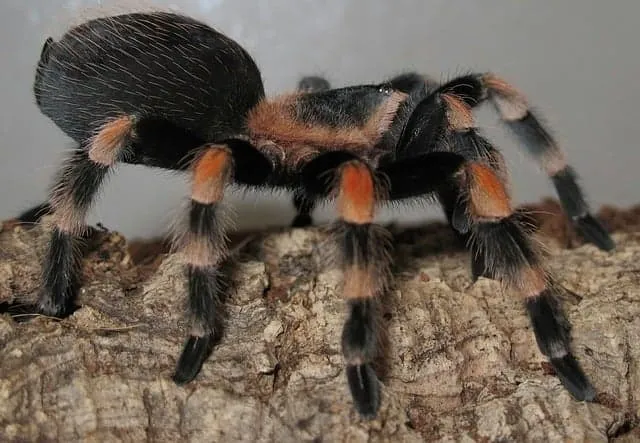
The Mexican Red Knee Tarantula (Brachypelma hamorii) is a classic and popular choice for beginners, well-known for its striking appearance. These tarantulas have black bodies with vibrant red or orange bands on their legs. They are generally docile and less prone to biting. They are known for their calm demeanor, making them great for beginners. Their colors and easy maintenance make them a favorite among both beginners and experienced keepers.
Care and Habitat

Mexican Red Knee Tarantulas are relatively easy to care for, needing a terrestrial setup with a substrate of coconut fiber or peat moss. They require moderate humidity and temperatures. Provide a water dish and feed them crickets or other insects. They are hardy and tolerant of minor variations in their environment, making them a good choice for beginners. Their docile nature and beautiful appearance make them a favorite for those who want to admire their pet.
5. Arizona Blonde Tarantula
Appearance and Characteristics
The Arizona Blonde Tarantula (Aphonopelma chalcodes) is known for its striking, golden coloration. They have a docile temperament and are relatively slow-moving. The Arizona Blonde is a great choice for beginners due to its hardy nature and manageable care requirements. Their beautiful appearance makes them a welcome addition to any collection. They are not only beautiful, but they are also known to be quite calm.
Care and Habitat

Arizona Blonde Tarantulas thrive in a terrestrial setup, using a substrate of coconut fiber or peat moss. Maintain a dry environment with a water dish available. They feed on crickets and other insects. Their straightforward care makes them a good choice for novice tarantula keepers. These tarantulas are hardy and adapt well to different environments, providing a relatively hassle-free experience for owners.
Essential Care Tips for Beginner Tarantulas
Caring for a tarantula, regardless of the species, involves several fundamental aspects. These aspects ensure your pet’s health and well-being. Creating the right enclosure, managing humidity, and providing proper nutrition are the keys to success. By paying attention to these elements, you can offer a safe and enriching environment for your tarantula, which is essential for its well-being.
Choosing the Right Enclosure
The enclosure is the tarantula’s home. The enclosure should be appropriately sized, offering enough space for the tarantula to move, molt, and exhibit its natural behaviors. Choose a well-ventilated enclosure with a secure lid to prevent escapes. The size of the enclosure depends on the tarantula’s size. A general guideline is the enclosure should be approximately three times the tarantula’s leg span in length and width. For terrestrial species, provide a shallow substrate layer for burrowing. For arboreal species, provide vertical elements like branches and cork bark. By choosing the right enclosure, you provide your pet with a good home.
Substrate and Habitat Setup
The substrate, or bedding, plays a significant role in maintaining humidity levels and providing a comfortable environment. The best options include coconut fiber, peat moss, or a mix of both. The substrate layer should be deep enough for terrestrial species to burrow. For arboreal species, providing a climbing surface is essential. Include a water dish filled with fresh water at all times. Providing a hide, such as a piece of cork bark or a cave, will give your tarantula a secure space. Maintain the appropriate humidity levels for your tarantula’s species. This is typically achieved by misting the enclosure, depending on the humidity needs of the species. Good habitat setup provides the base to a healthy and happy pet.
Feeding and Hydration
Feeding your tarantula is relatively straightforward. The frequency of feeding depends on the tarantula’s age and species. Spiderlings require more frequent meals than adults. Offer appropriately sized insects, such as crickets, mealworms, or roaches. Ensure the insects are gut-loaded before feeding. Remove any uneaten food within 24 hours to prevent mold growth. Provide a shallow water dish with fresh water. Tarantulas get their water through their food, so it is essential to keep the hydration up to promote a healthy pet. Regular feeding and hydration practices are key to the health of your pet.
Understanding Tarantula Behavior
Understanding tarantula behavior will help you care for your pet. Tarantulas can display various behaviors, including defensive postures, feeding responses, and molting. It is essential to learn these signs to avoid stress on your tarantula. When a tarantula is about to molt, it will often stop eating and may become lethargic. Provide a calm environment. The tarantula will shed its old exoskeleton. The molting process can take several hours. Observe your tarantula without disturbing it. Respect their space and handle them only when necessary, and you’ll be well on your way to a great experience as a tarantula owner. The more you understand, the more you will enjoy your tarantula.
In conclusion, the world of tarantulas offers a rewarding experience for those who are prepared to provide the correct care. By choosing a beginner-friendly species and understanding their specific needs, you can successfully keep these captivating creatures. Always remember to research thoroughly, provide a suitable habitat, and handle your tarantula with care. With the right approach, you can embark on an exciting journey as a tarantula keeper, fostering a fascinating relationship with these amazing arachnids. Enjoy the experience and remember, patience and observation are key to a rewarding tarantula-keeping journey.