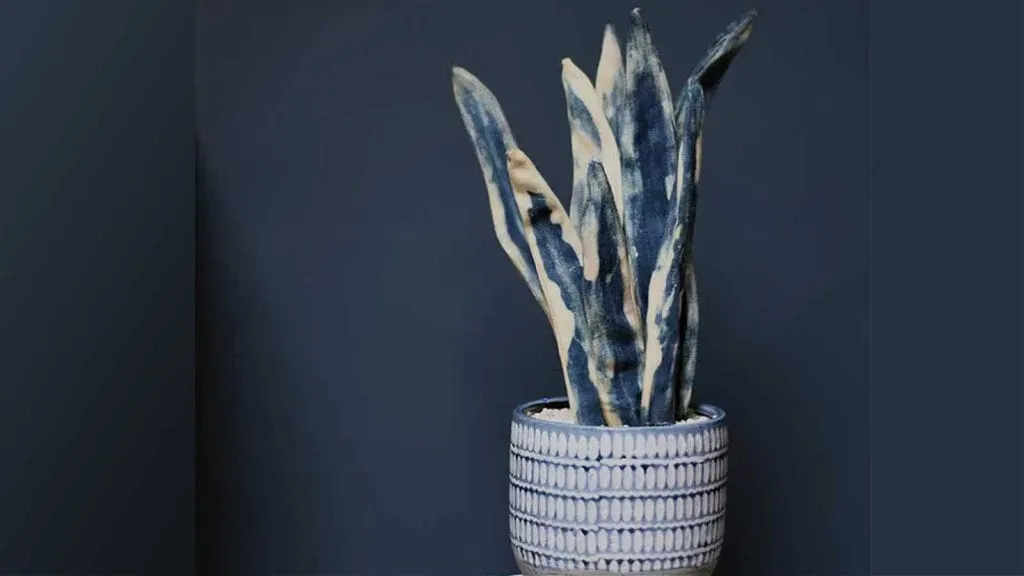
Choosing the Best Fake Plants
Creating a safe and enriching environment for your tarantula is crucial for their well-being. Fake plants offer a fantastic way to add naturalistic elements to your tarantula enclosure without the maintenance of live plants. They also eliminate the risk of introducing pests or harmful chemicals. However, not all artificial plants are created equal. Choosing the right ones involves considering safety, aesthetics, and the overall habitat design. This guide will help you navigate the selection process, ensuring your tarantula thrives in its beautifully decorated home.
Safety First
The safety of your tarantula should be your top priority when selecting fake plants. Tarantulas are delicate creatures, and any potential hazards must be carefully considered. Plants should be made from materials that are not toxic and will not harm the tarantula if ingested. Furthermore, the plants should be securely attached to the enclosure to prevent accidental falls or entanglement. Regularly inspect the plants for any signs of wear and tear, replacing them as needed to maintain a safe environment.
Non-Toxic Materials

Always choose fake plants made from non-toxic materials. Avoid plants that may contain harmful chemicals, dyes, or coatings. Look for products labeled as “pet-safe” or those specifically designed for reptile or terrarium use. Avoid plants with small, detachable parts that could be ingested. Check the material composition to ensure they are free from lead, phthalates, and other harmful substances. Choosing safe materials is critical to prevent any adverse health effects on your tarantula.
Secure Attachment
Ensure that the fake plants are securely attached to the enclosure. Tarantulas can be surprisingly active, and loose plants could fall, potentially injuring your pet. Use aquarium-safe silicone, hot glue (with caution), or other non-toxic adhesives to firmly attach the plants to the background or the enclosure’s decor. You can also consider using weighted bases or burying parts of the plant in the substrate to enhance stability. Regular checks are essential to make sure the plants remain secure.
Realistic Appearance
While safety is paramount, the aesthetic appeal of the plants can also enhance the tarantula’s enclosure. Choosing plants that mimic the look and feel of natural vegetation will create a more stimulating and visually appealing environment for your tarantula. This not only enhances the enclosure’s appearance but also provides hiding spots and encourages natural behaviors. The goal is to create a habitat that mimics the tarantula’s natural environment as closely as possible, promoting its well-being.
Natural Look and Feel

Opt for fake plants that closely resemble real ones in texture and shape. Look for plants that have a varied, realistic appearance. Plants with textured leaves, detailed stems, and natural-looking colors will create a more immersive environment. Avoid plants with a plastic, unnatural appearance, as these will detract from the realism of the enclosure. The goal is to fool the eye and provide the tarantula with a habitat that feels natural and inviting.
Color and Texture
Consider the colors and textures of the fake plants you select. Choose colors that complement the overall design of your enclosure and match the tarantula’s needs. Textures can add an extra layer of realism, providing tactile stimulation for your pet. Look for plants with a combination of different textures, such as rough stems and smooth leaves. If you have a tropical species of tarantula, consider a variety of green foliage. For desert species, add elements with earthy tones to simulate their natural habitat.
Top 5 Fake Plant Recommendations
Here are five excellent options for fake plants, combining safety, aesthetics, and practicality. These plants can help you set up a stunning and safe terrarium for your tarantula. Each choice offers unique advantages, from easy maintenance to enhancing the visual appeal of your enclosure.
The Spider Plant

The spider plant is a classic choice for terrariums because of its lush, cascading leaves. It adds height and visual interest, and its long, slender leaves provide excellent hiding spots for your tarantula. Choose a spider plant that is made from non-toxic materials. The plant provides a natural look, making your tarantula’s enclosure more inviting. The bright green leaves can also provide a beautiful contrast against the enclosure’s substrate and other decorations.
Pros and Cons
Pros include a natural, cascading appearance. The leaves provide great hiding spots. Cons include that some spider plants may shed small pieces. Make sure the attachments are secure to prevent potential hazards. The plant adds a wonderful aesthetic while providing a safe environment, so it will improve your tarantula’s habitat. Choose a high-quality version that meets safety standards to ensure the well-being of your pet.
The Pothos Plant
Pothos plants, with their heart-shaped leaves, are a versatile option. They can be draped, hung, or placed on the substrate to add dimension and texture. Their trailing vines provide excellent coverage, simulating a naturalistic environment. Opt for a pothos plant made from non-toxic materials and ensure it is securely fixed to avoid accidents. The varied leaf patterns and rich green colors can create a visually engaging space for your tarantula, supporting its well-being.
Pros and Cons

Pros include that they are highly versatile and can be positioned in many ways. They create excellent coverage and a natural look. Cons include that you need to secure vines thoroughly. The leaves can potentially detach, so choose a sturdy version and inspect it regularly. A well-chosen pothos plant enhances the environment, offering both aesthetic appeal and functional benefits.
The Fern Plant
Ferns bring a touch of elegance and lushness to any terrarium. The delicate, feathery leaves of a fern plant create a sense of depth and dimension. Ferns are an excellent choice for creating a dense, naturalistic environment. Consider a variety of shapes and sizes to add visual interest. Always choose non-toxic, pet-safe plants, and secure them well to prevent any risks. Ferns improve a tarantula’s habitat by adding aesthetic value, simulating the natural setting. Be sure to match the ferns to the environment of your species.
Pros and Cons
Pros include providing a dense, lush appearance. They add significant depth. Cons include that they might require more secure anchoring due to their delicate structure. Choose a high-quality fern and maintain it carefully to ensure safety. They are a great choice to enhance your terrarium and promote a naturalistic habitat for your pet.
The Bromeliad Plant

Bromeliads offer vibrant colors and unique shapes that bring an exotic touch to your tarantula’s enclosure. Their sturdy leaves and interesting forms provide visual interest and hiding spots. Ensure that the materials are non-toxic and the plant is safely attached. Bromeliads can greatly enhance the aesthetic appeal of your terrarium. They can create a more diverse and visually exciting environment. The plant improves the tarantula’s well-being with added visual stimulation.
Pros and Cons
Pros include offering vibrant colors and unique forms. They provide visual interest and hiding spots. Cons include that these plants may have detachable parts. Choose plants carefully and ensure the safety of your tarantula by selecting a high-quality, non-toxic version. The vivid colors and distinctive shapes make the terrarium more attractive, adding to the visual appeal.
The Artificial Succulents
Artificial succulents are a great choice for desert-themed enclosures. Their varied shapes, sizes, and textures create a realistic desert landscape. Choose succulents made from non-toxic materials that can withstand the terrarium environment. They are low maintenance and offer a natural look. Artificial succulents can dramatically improve the aesthetic and provide a safer habitat. The textured designs create an engaging habitat, ensuring your tarantula is active and stimulated.
Pros and Cons

Pros include being great for desert environments, and their low maintenance. They come in various shapes. Cons include ensuring they are securely attached. Some materials can detach, so frequent inspections are necessary. Succulents offer an attractive and functional design to your terrarium, promoting a safe and appealing environment for your tarantula.
Maintenance and Care
While fake plants are low-maintenance, some care is required to maintain their appearance and safety. Regular cleaning and inspection ensure they remain in good condition and pose no risk to your tarantula. Proper care prevents the buildup of debris and helps maintain the enclosure’s aesthetic appeal.
Cleaning Your Plants
Clean the artificial plants regularly to remove dust and debris. Gently wipe them down with a damp cloth or rinse them under lukewarm water. Avoid using harsh chemicals or soaps, as these could be harmful to your tarantula. Ensure the plants are completely dry before returning them to the enclosure. Regular cleaning keeps the plants looking their best, preventing the build-up of dust and maintaining a healthy environment.
Regular Inspection
Inspect your fake plants regularly for any signs of wear and tear. Check for loose parts, fraying edges, or any damage that might create a hazard for your tarantula. Replace any damaged plants immediately to ensure the enclosure remains safe. Regular inspections are crucial to keeping the environment safe and supporting the longevity of the artificial plants.
Benefits of Fake Plants
Using fake plants offers numerous benefits for your tarantula enclosure. They combine the aesthetic appeal of live plants with the practicality of low maintenance. They also provide a safe and stimulating environment for your pet. Choosing the right plants is an investment in your tarantula’s well-being, offering a beautiful and easy-to-care-for habitat.
Creating a Naturalistic Habitat
Fake plants help create a naturalistic habitat that mimics the tarantula’s natural environment. This enhances your pet’s well-being and encourages natural behaviors. They provide hiding spots, visual stimulation, and a sense of security. By choosing plants that closely resemble those in their natural habitats, you can create a more enriching and engaging environment, supporting your pet’s overall happiness and health.
Easy Maintenance
One of the biggest advantages of fake plants is their ease of maintenance. Unlike live plants, they require no watering, pruning, or sunlight. This is a huge time-saver for busy owners and ensures a consistent, stable environment for your tarantula. Simply clean the plants regularly and inspect them for wear and tear. Their low-maintenance nature allows you to focus on other aspects of your pet’s care, ensuring a healthy and enjoyable habitat.