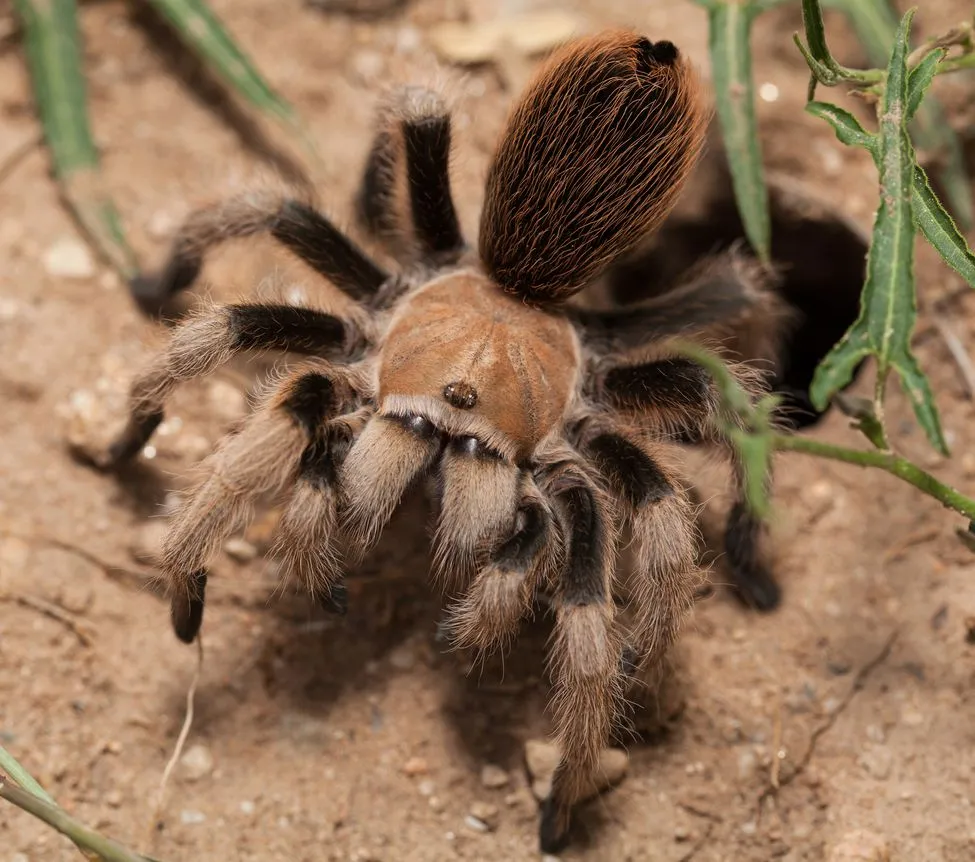
Top 5 Best Tarantula Pets to Own
Tarantulas, with their fascinating appearance and relatively manageable care requirements, have become increasingly popular pets. However, with hundreds of tarantula species worldwide, choosing the right one can be daunting. This guide presents the top 5 best tarantula pets, considering factors like temperament, care level, and overall suitability for both novice and experienced keepers. These selections provide a range of options, from docile and easy-to-care-for species to those that offer a more unique and engaging experience. Before acquiring any tarantula, thorough research is essential to ensure you can provide the appropriate environment and care.
Brazilian Black Tarantula (Grammostola pulchra)
The Brazilian Black Tarantula is a favorite among tarantula enthusiasts. Known for its jet-black coloration, this species is relatively docile and slow-moving, making it an excellent choice for beginners. They are also known for their longevity, with females often living for over 20 years. Their calm demeanor and striking appearance make them a fantastic pet. Brazilian Blacks are generally quite hardy and can tolerate minor fluctuations in their environment, adding to their appeal for new keepers.
Appearance and Characteristics

As the name suggests, the Brazilian Black Tarantula is almost entirely black, with a velvety texture. They are a ground-dwelling species, and adults can reach a leg span of up to 6 inches. Their robust build and uniform coloration are quite striking. The contrast between their dark body and the substrate in their enclosure creates a visually appealing display, making them a captivating pet to observe.
Temperament and Care Level
Brazilian Blacks are known for their docile temperament, rarely displaying defensive behaviors such as flicking urticating hairs. Their care level is considered beginner-friendly, as they are adaptable to a range of conditions. They require a simple setup with a substrate for burrowing, a shallow water dish, and a temperature gradient. Regular feeding of appropriately sized insects is also essential to their well-being.
Chilean Rose Hair Tarantula (Grammostola rosea)
The Chilean Rose Hair Tarantula is one of the most popular pet tarantulas, primarily due to its docile nature and ease of care. These spiders are relatively hardy and tolerant of a range of conditions, making them a perfect choice for beginners. Their gentle disposition and long lifespan make them a great choice for those new to tarantula keeping. Their availability and affordability also contribute to their popularity within the pet trade.
Appearance and Characteristics

Chilean Rose Hair tarantulas have a distinctive appearance with a reddish-brown body and rose-colored hairs on their carapace and legs, giving them their name. Adults typically reach a leg span of about 5-6 inches. These tarantulas are ground dwellers and often burrow or create hides within their enclosures. Their coloration provides excellent camouflage in their natural habitat.
Temperament and Care Level
Chilean Rose Hairs are renowned for their docile temperament, making them ideal pets. They rarely bite and are generally not aggressive. They have a low care level, requiring a basic setup with a substrate like coconut fiber or peat moss, a water dish, and a hide. They thrive in temperatures ranging from 70-80°F (21-27°C). Feeding involves insects like crickets or mealworms, offered once or twice a week.
Mexican Red Knee Tarantula (Brachypelma hamorii)
The Mexican Red Knee Tarantula is a well-known and highly sought-after species. Its striking appearance and relatively docile nature make it a favorite among tarantula keepers. They are known for their bright red and orange markings on their leg joints, which contrast beautifully with their black body. They’re generally calm and suitable for those with some experience, as they can be prone to flicking urticating hairs.
Appearance and Characteristics

The Mexican Red Knee is easily recognizable by its vibrant red-orange markings on the joints of its legs, contrasting sharply with its black body. Adults can reach a leg span of up to 6 inches, making them a medium-sized tarantula. They are a ground-dwelling species and are popular due to their striking coloration and relatively slow movements. They present a beautiful display in any enclosure.
Temperament and Care Level
Mexican Red Knees have a generally docile temperament, but they can flick urticating hairs as a defense mechanism. Handling should be kept to a minimum, and caution should be exercised. Their care level is considered moderate, requiring a slightly more controlled environment than other beginner species. They need a substrate that allows them to burrow, a water dish, and a temperature range between 70-85°F (21-29°C).
Goliath Birdeater Tarantula (Theraphosa blondi)
The Goliath Birdeater is the world’s largest tarantula, making it an impressive choice for experienced keepers. Its size alone commands attention, with leg spans that can exceed 10 inches. However, their size also means they have significant care requirements. They are known for their defensive behavior and can deliver a painful bite. This tarantula is best suited for those with prior experience and a dedicated setup.
Appearance and Characteristics

As the world’s largest tarantula, the Goliath Birdeater is truly massive. They have a brownish coloration and are covered in hairs. Their sheer size is their most striking characteristic, with females growing larger than males. The Goliath Birdeater’s large size necessitates a significant enclosure, and their powerful build is evident.
Temperament and Care Level
Goliath Birdeaters are known for their defensive behavior. They can be skittish and are prone to flicking urticating hairs. Their care level is advanced, requiring a large enclosure, careful humidity and temperature control, and a steady supply of food. This species is not recommended for beginners. They are fascinating to observe but demand respect and a careful approach due to their potential for defensive reactions and powerful bite.
Pinktoe Tarantula (Avicularia avicularia)
The Pinktoe Tarantula is a beautiful arboreal species that is popular due to its vibrant colors and relatively manageable care requirements. Unlike the ground-dwelling tarantulas, these spiders live in trees and prefer to climb. They are known for their pink toe pads and can be quite active in their enclosures. They present an engaging display for any keeper and are a moderately easy pet to care for.
Appearance and Characteristics

The Pinktoe Tarantula is easily recognizable by its black or grey body and vibrant pink toe pads. They are an arboreal species, meaning they live in trees and bushes. Their size typically ranges from 4-6 inches in leg span. Their unique appearance makes them an attractive option for tarantula enthusiasts. They are also known for their agility and speed, making them fun to observe.
Temperament and Care Level
Pinktoe Tarantulas are generally considered to have a moderate temperament, but can be skittish. They can be fast and quick to bolt if startled. Their care level is considered moderate, requiring a vertically oriented enclosure with branches or cork bark for climbing. They need high humidity and good ventilation. A water dish is essential. They are known to be more active than some ground-dwelling species, making them a more dynamic pet.
Essential Tarantula Care Tips
Regardless of the tarantula you choose, several essential care tips apply to all species. These tips will help ensure your pet’s health and longevity. Providing the correct environmental conditions, proper feeding, and safe handling are key factors. Regular observation and maintenance are also necessary for a thriving tarantula pet.
Habitat Setup

The habitat setup is critical for a tarantula’s well-being. Select an enclosure that is the appropriate size for your chosen species, considering their adult size. Ground-dwelling tarantulas need more floor space, while arboreal species require height. Provide a suitable substrate, such as coconut fiber, peat moss, or a mix of both. Include a water dish with fresh water and hides, like cork bark or artificial plants, for security. Maintain appropriate temperature and humidity levels based on the species’ specific needs.
Feeding and Diet
Tarantulas are carnivores, and their diet primarily consists of insects. Common food items include crickets, mealworms, dubia roaches, and occasionally, pinky mice for larger species. The frequency of feeding depends on the tarantula’s age and size. Spiderlings should be fed more frequently than adults. Ensure that the insects are gut-loaded with nutritious food before offering them to your tarantula. Remove any uneaten food within 24 hours to prevent mold growth.
Handling and Safety
Handling tarantulas should be done with caution. While some species are more docile than others, all tarantulas can bite if they feel threatened. Avoid handling unless necessary. If you must handle your tarantula, do so close to the ground or over a soft surface to minimize the risk of injury if it falls. Wash your hands thoroughly before and after handling to avoid transmitting any substances.
Conclusion The Best Tarantula for You

Choosing the best tarantula pet depends on your experience level, lifestyle, and personal preferences. The Brazilian Black Tarantula, Chilean Rose Hair, and Mexican Red Knee are excellent choices for beginners due to their docile nature and ease of care. The Goliath Birdeater is for experienced keepers only, whereas the Pinktoe Tarantula offers a unique and engaging arboreal experience. Remember to research the specific needs of your chosen species, provide a suitable environment, and handle your tarantula with care. With proper care and attention, your tarantula can be a rewarding and fascinating pet for years to come.