Choosing the Best Terrarium
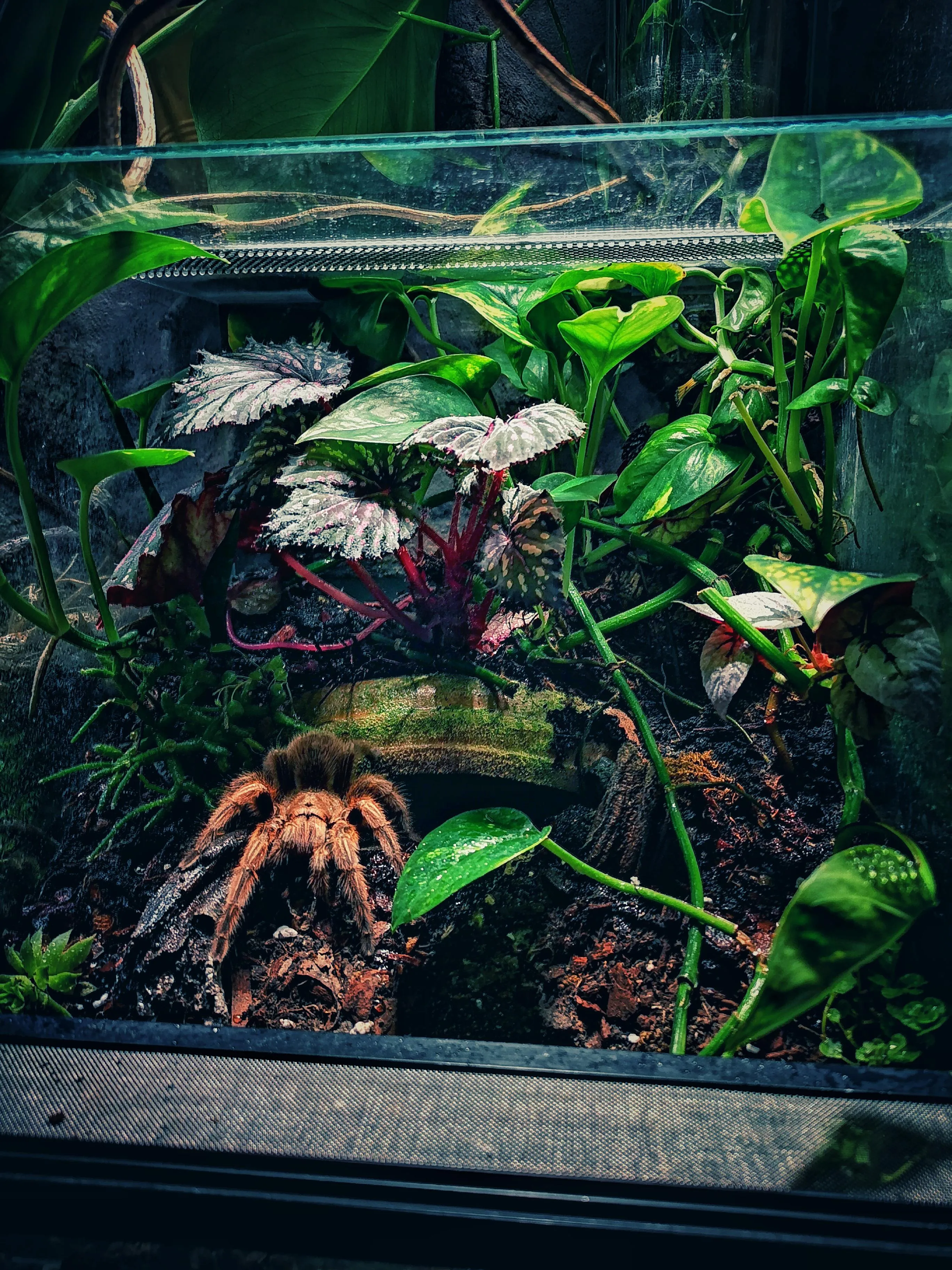
Creating the perfect environment for your Rose Hair Tarantula is crucial for its health and well-being. The terrarium serves as your tarantula’s home, providing shelter, regulating temperature and humidity, and allowing for natural behaviors. Selecting the best terrarium involves careful consideration of several factors, including size, material, ventilation, and substrate. A well-chosen terrarium will not only house your tarantula comfortably but also enhance your enjoyment of observing this fascinating creature. This guide will walk you through each aspect, ensuring you make an informed decision and set up an ideal habitat for your pet.
Terrarium Size Considerations
The size of the terrarium is one of the most critical factors in providing a comfortable and safe environment for your Rose Hair Tarantula. A terrarium that’s too small can restrict movement and make it difficult for your tarantula to molt properly, while one that’s excessively large can make the tarantula feel insecure and potentially lead to difficulties in finding food. It’s essential to find a balance that caters to your tarantula’s size and needs.
Size based on Tarantula Size

As a general guideline, the width of the terrarium should be at least twice the tarantula’s leg span. For a juvenile Rose Hair Tarantula, a 5-gallon tank might suffice. As the tarantula grows, you’ll need to upgrade to a larger enclosure. Adult Rose Hair Tarantulas typically thrive in a 10-gallon or larger terrarium. Always ensure there’s enough floor space for the tarantula to move around comfortably and explore its environment. Observing your tarantula’s behavior will give you clues whether its space is adequate or whether a bigger one is needed.
Space for Molting and Movement
During molting, a Rose Hair Tarantula is extremely vulnerable. They need enough space to turn over onto their backs and shed their exoskeleton without obstruction. The terrarium should provide enough vertical and horizontal space to facilitate this process. Furthermore, ample space encourages natural behaviors such as burrowing and exploring. A well-sized terrarium reduces stress and helps your tarantula thrive. This space is also essential for the tarantula to feel secure and establish its territory within the enclosure. A cramped environment can lead to stress and potentially health problems.
Terrarium Material Selection
The material of the terrarium significantly affects its functionality and your ability to observe your tarantula. Two primary materials are commonly used: glass and acrylic. Each has its own set of advantages and disadvantages, influencing factors such as visibility, durability, and maintenance. Carefully consider the pros and cons of each material to ensure you choose the best fit for your needs and the well-being of your Rose Hair Tarantula.
Glass Terrariums

Glass terrariums are a popular choice due to their excellent visibility. They offer clear views of your tarantula, allowing for easy observation. Glass is also a relatively scratch-resistant material, maintaining its clarity over time. However, glass terrariums can be heavy and more prone to breaking if dropped. They also tend to be less effective at insulating heat, which can require more careful monitoring of temperature. Ensure the glass terrarium has a secure lid to prevent escape and has adequate ventilation to ensure fresh airflow within the enclosure. Always handle glass terrariums with care.
Acrylic Terrariums
Acrylic terrariums are a lighter and more durable alternative to glass. They are less likely to shatter if accidentally dropped. Acrylic also provides good insulation, helping to maintain a stable temperature inside the terrarium. However, acrylic is more prone to scratching than glass, so careful handling during cleaning and maintenance is required. Acrylic terrariums often come with built-in ventilation features and are available in various shapes and sizes, making them a flexible choice for tarantula keepers. Regular cleaning with appropriate cleaning solutions is important to prevent scratches.
Ventilation Importance
Proper ventilation is a critical element of a healthy terrarium environment. Adequate airflow is essential for preventing the buildup of harmful bacteria, mold, and stagnant air, all of which can negatively impact your Rose Hair Tarantula’s health. The terrarium should have strategically placed vents to facilitate air exchange without compromising humidity levels. This balance is crucial for your tarantula’s well-being and maintaining a clean, odor-free habitat. Ensure your chosen terrarium has sufficient ventilation features.
Optimal Airflow

Optimal airflow involves a combination of passive and active ventilation. Passive ventilation typically involves vents on the top and sides of the terrarium, allowing for a natural flow of air. Active ventilation can involve the use of small fans, though this is generally not required for Rose Hair Tarantulas if the passive ventilation is adequate. Proper airflow helps regulate humidity, preventing condensation buildup, and promoting a fresh environment. Inspect your terrarium regularly to ensure vents are not blocked by substrate or decor.
Preventing Mold and Mildew
Mold and mildew thrive in humid environments with poor air circulation. To prevent these issues, ensure your terrarium has good ventilation and avoid overwatering the substrate. Regularly inspect the terrarium for signs of mold or mildew growth. If you notice any, clean the affected areas promptly with a solution safe for tarantulas, like a diluted bleach solution (rinse thoroughly). Proper airflow and regular cleaning are key to maintaining a healthy and clean habitat, protecting your tarantula from potential respiratory issues and other health concerns.
Substrate Selection
The substrate serves as the base of your terrarium, providing a surface for your Rose Hair Tarantula to walk on, burrow in, and molt. The right substrate helps maintain the necessary humidity levels and provides a comfortable environment. The choice of substrate should prioritize your tarantula’s well-being, focusing on natural materials that promote a healthy habitat. The depth of the substrate and the type of material are essential factors to consider when setting up your terrarium.
Ideal Substrate Depth
The depth of the substrate depends on the size of your tarantula and its preference for burrowing. Rose Hair Tarantulas are terrestrial and tend to burrow to some extent. A depth of 2-4 inches is usually sufficient for juveniles and adults. This depth allows them to create a secure burrow if they choose, regulate temperature, and provide a more natural environment. Ensure that the substrate isn’t too deep to make it difficult for the tarantula to navigate, or too shallow, which could lead to drying out of the environment. A good depth is essential for molting as well.
Substrate Types
Various substrates are suitable for Rose Hair Tarantulas. The best options are natural, non-toxic, and capable of retaining moisture. Avoid substrates with sharp particles or chemicals that could harm your tarantula. Substrate selection should be based on the tarantula’s needs, the ease of maintenance, and aesthetic preferences. The ideal substrate promotes a healthy and comfortable environment for your pet. A mix of substrates can also provide enriching diversity in the environment.
Coconut Fiber
Coconut fiber, also known as coco coir, is an excellent substrate choice. It’s made from the husks of coconuts and has excellent moisture-retaining properties. It’s also readily available, affordable, and safe for tarantulas. Coconut fiber helps to maintain humidity levels and allows your tarantula to burrow. It’s also a natural product, making it a good environmental choice. Regular spot cleaning and replacement of the substrate are essential to maintain a healthy environment.
Sphagnum Moss

Sphagnum moss can be used in conjunction with coconut fiber or as a top layer to maintain humidity. It’s a natural material that holds moisture well and provides a more humid microclimate. Sphagnum moss is especially useful in creating localized humid areas within the terrarium. Ensure the sphagnum moss is clean and free of any pesticides or chemicals. Regular misting can keep the moss hydrated and help in maintaining the humidity level.
Decor and Enrichment
Providing decor and enrichment is crucial to creating a stimulating and natural environment for your Rose Hair Tarantula. While these spiders don’t require elaborate setups, adding appropriate items can significantly improve their quality of life. Decor provides hiding places, enhances the visual appeal of the terrarium, and encourages natural behaviors. Carefully consider the placement and safety of any added items to ensure they don’t pose a risk to your tarantula.
Hiding Places
Rose Hair Tarantulas are naturally reclusive and appreciate having a secure hiding place. This provides them with a sense of security and reduces stress. Options include half logs, cork bark, or commercially available hides specifically designed for tarantulas. Ensure the hiding place is appropriately sized, allowing the tarantula to easily enter and exit. Placement near a heat source can also help regulate the microclimate within the hide, providing additional comfort.
Appropriate Decor

Other appropriate decor can include sturdy branches, artificial plants, and rocks. However, avoid sharp or unstable items that could pose a hazard. Artificial plants add visual interest and can help maintain humidity. Ensure that any decor items are clean and non-toxic. The goal is to create a naturalistic environment that mimics the tarantula’s natural habitat. Decor should enhance the tarantula’s experience without compromising safety or functionality. Remember, less is often more – the focus should be on the well-being of the tarantula, not excessive ornamentation.
Water Dish and Hydration
Access to fresh water is essential for your Rose Hair Tarantula’s health and hydration. Providing a water dish that is appropriately sized and placed is a crucial aspect of tarantula care. Monitoring water levels and ensuring clean water contributes to your pet’s well-being. Water is vital for all bodily functions, including molting. It’s also essential for maintaining the proper humidity level within the terrarium.
Water Dish Placement and Size
Choose a shallow water dish that is easy for your tarantula to access and prevents accidental drowning. The size of the water dish should be proportionate to the size of the tarantula. A small, shallow dish is ideal for juveniles, while adults will need a larger dish. Place the water dish in a stable location within the terrarium. Ensure that it is easily accessible, so your tarantula can drink when needed. Consider adding small pebbles to the dish to provide a grip for the tarantula and minimize the risk of drowning. The water should be replaced regularly to prevent bacterial growth.
Maintaining Humidity
Rose Hair Tarantulas require a specific humidity level to thrive. The ideal humidity range is typically between 60% and 70%. Maintaining the correct humidity is essential for successful molting and overall health. To maintain humidity, mist the terrarium lightly with a spray bottle, typically a few times per week. Use a hygrometer to monitor humidity levels accurately. Adjust misting frequency based on the humidity readings. Avoid over-misting, as excessive moisture can lead to mold and mildew growth. The substrate type and the ventilation of the terrarium also affect the humidity level. Monitoring and adjusting these factors is key to success.
Lighting and Heating
Lighting and heating are important aspects of creating a suitable environment for your Rose Hair Tarantula. While these tarantulas are relatively low-maintenance in terms of lighting and heating, providing the correct temperature range and considering lighting options can improve their well-being. Proper temperature regulation and lighting can also help to mimic their natural environment, which promotes natural behaviors. A carefully planned lighting and heating system contributes to a healthier and more comfortable habitat for your pet.
Temperature Requirements
Rose Hair Tarantulas are ectothermic, meaning they rely on external sources to regulate their body temperature. The ideal temperature range is between 75°F and 85°F (24°C to 29°C). Maintaining a consistent temperature is crucial, and you can achieve this through a heat mat or a ceramic heat emitter. Place the heat source on one side of the terrarium to create a temperature gradient, allowing your tarantula to move to a cooler area if needed. Use a thermometer to monitor the temperature accurately and ensure it stays within the recommended range. Avoid direct sunlight, which can overheat the terrarium. Regular monitoring is vital to prevent any fluctuations in temperature.
Lighting Considerations
Rose Hair Tarantulas do not require specialized lighting, unlike some reptiles. Ambient room lighting is usually sufficient. However, if you wish to enhance the visual appeal of the terrarium, you can use low-wattage LED lights. Avoid bright, intense lighting, as tarantulas are sensitive to light and can become stressed. If using lights, ensure there is a dark area for your tarantula to retreat to. Regular light cycles, similar to natural day and night patterns, can be beneficial. Proper lighting supports the tarantula’s natural circadian rhythm and well-being.
Cleaning and Maintenance
Regular cleaning and maintenance are essential for maintaining a healthy and hygienic environment for your Rose Hair Tarantula. This involves both spot cleaning and periodic complete terrarium cleaning. Proper cleaning not only keeps the terrarium aesthetically pleasing but also prevents the buildup of harmful bacteria and maintains optimal conditions for your tarantula. A consistent cleaning routine contributes significantly to the long-term health and happiness of your pet. It also helps you observe your tarantula closely and identify any health issues early on.
Spot Cleaning
Spot cleaning should be done regularly, typically weekly, to remove any uneaten food, dead insects, and waste. Use a long-handled utensil, such as tongs, to remove any visible debris carefully. Avoid disturbing your tarantula unnecessarily during the cleaning process. Remove any contaminated substrate immediately and replace it with fresh material. Regular spot cleaning helps to maintain a clean and hygienic environment and prevent the spread of bacteria. Check the water dish daily and replace the water with fresh, clean water.
Complete Terrarium Cleaning
A complete terrarium cleaning should be performed every few months, or when necessary, based on the condition of the enclosure. Remove the tarantula (safely into a temporary enclosure), and take out all substrate, decor, and the water dish. Thoroughly clean the terrarium with warm water and a mild, pet-safe detergent. Rinse all items thoroughly to remove any traces of detergent. Allow the terrarium and all the items to dry completely before reassembling the habitat. Replace the substrate with fresh material. Ensure that the temporary enclosure is suitable for your tarantula and is properly secured. Handle your tarantula gently and always prioritize its safety during cleaning.