Bringing home a Blackfang Tarantula is an exciting experience, offering a fascinating glimpse into the world of arachnids. These impressive creatures, known for their striking appearance and relatively docile nature, can make rewarding pets. However, responsible ownership requires understanding their specific needs. This comprehensive guide will walk you through every aspect of Blackfang Tarantula care, from creating the perfect habitat to ensuring their health and well-being. Prepare to embark on a journey of discovery as you learn to provide the best possible life for your new eight-legged friend.
Blackfang Tarantula Habitat Requirements
Creating a suitable habitat is crucial for your Blackfang Tarantula’s health and happiness. The enclosure should mimic their natural environment as closely as possible, providing a sense of security and comfort. A well-designed habitat will not only keep your tarantula safe but will also allow you to observe its fascinating behaviors. The right setup is the foundation for a thriving pet, ensuring it can thrive and display its natural tendencies. Careful consideration of space, substrate, and environmental controls is paramount for a successful and fulfilling experience.
Enclosure Size and Type
The size and type of enclosure will depend on the size of your Blackfang Tarantula. For spiderlings and juveniles, a smaller enclosure, such as a clear plastic container with ventilation holes, is often ideal. This makes it easier for them to find food and provides a sense of security. As your tarantula grows, you’ll need to upgrade to a larger enclosure. A good rule of thumb is to provide an enclosure that is at least twice the tarantula’s leg span in width and length. Glass terrariums or appropriately sized plastic containers with secure lids are good choices. Ensure the enclosure has adequate ventilation to prevent the buildup of humidity and mold, which can be detrimental to your tarantula’s health.
Substrate Selection

The substrate serves as the flooring of your tarantula’s habitat, providing a comfortable surface for burrowing and walking, as well as helping to maintain humidity. A substrate that retains moisture is essential for Blackfang Tarantulas, which thrive in a humid environment. Popular substrate choices include a mixture of peat moss, vermiculite, and coconut fiber. These materials are excellent at holding moisture and are safe for tarantulas. Avoid using substrates like sand or gravel, as they can be abrasive and difficult for the tarantula to burrow in. The depth of the substrate should be sufficient to allow the tarantula to burrow comfortably, typically 4-6 inches for adults.
Temperature and Humidity
Maintaining the correct temperature and humidity levels is critical for the health of your Blackfang Tarantula. These tarantulas generally thrive in temperatures between 75-85°F (24-29°C). A heat lamp or under-tank heater can be used to maintain the desired temperature, but be sure to monitor the temperature carefully to avoid overheating the enclosure. Humidity levels should be kept between 60-70%. You can achieve this by misting the enclosure with water every few days, or by providing a water dish that allows for evaporation. Using a hygrometer will allow you to accurately measure humidity and make the necessary adjustments. Improper temperature and humidity can lead to health problems, such as dehydration or respiratory issues.
Providing Hides and Decorations
Blackfang Tarantulas are naturally reclusive creatures, and providing them with hiding places is essential for their well-being. A hide allows them to feel secure and reduces stress. You can use commercially available hides made of cork bark, or you can create your own using half-logs, artificial plants, or even a hollowed-out coconut shell. Place the hide in a location that allows the tarantula to easily access it. In addition to a hide, you can also add decorations such as artificial plants or branches to the enclosure. These not only enhance the aesthetic appeal of the habitat but also provide the tarantula with additional opportunities for exploration and enrichment.
Feeding Your Blackfang Tarantula
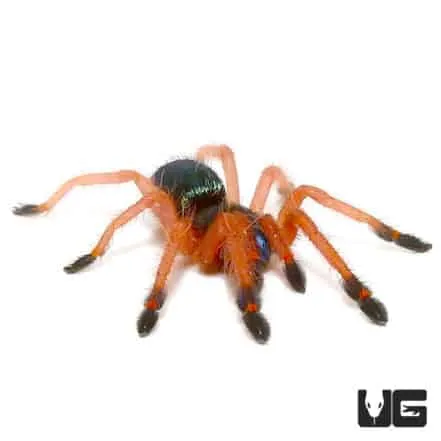
Feeding your Blackfang Tarantula is a straightforward process, but it’s important to get it right to ensure your pet stays healthy and active. Blackfang Tarantulas are voracious eaters, and their feeding habits can be quite intriguing to observe. Understanding their dietary needs and feeding frequency will help you keep your tarantula thriving. Careful attention to the type and size of food items is crucial, as is avoiding overfeeding, which can lead to health problems. Proper nutrition will support their growth and development, and will help them live a long and fulfilling life.
Food Options and Frequency
Blackfang Tarantulas primarily feed on insects. Crickets, mealworms, and dubia roaches are popular and readily available food choices. The size of the food should be appropriate for the size of your tarantula. As a general rule, the insect should be no larger than the tarantula’s abdomen. Juveniles should be fed more frequently than adults, typically 2-3 times a week. Adult Blackfang Tarantulas can be fed once or twice a week, or even less often, as they can go for extended periods without food. Always remove any uneaten food within 24 hours to prevent the growth of mold and mites in the enclosure. A varied diet will ensure that your tarantula receives a range of nutrients.
Watering and Hydration
Water is essential for your Blackfang Tarantula’s survival. They require a constant source of fresh water to stay hydrated. Provide a shallow water dish in the enclosure, ensuring it’s easily accessible. The water dish should be shallow enough to prevent the tarantula from drowning. Change the water regularly, typically every 1-2 days, to keep it clean and free of debris. In addition to the water dish, you can also mist the enclosure with water, particularly during molting. This helps to increase humidity and aids in the molting process. Ensure that the water you provide is clean and free of any chemicals or additives.
Handling and Safety

Handling a Blackfang Tarantula should be approached with caution and respect. While these tarantulas are generally not aggressive, they can bite if they feel threatened. It’s important to understand their behavior and recognize signs of stress before attempting to handle them. Proper handling techniques are crucial for your safety and the safety of your tarantula. Frequent or unnecessary handling can also stress the tarantula, so it’s best to limit this to necessary situations. Always wash your hands before and after handling your tarantula to prevent the spread of bacteria.
Safe Handling Practices
If you choose to handle your Blackfang Tarantula, do so with care. The best way to handle a tarantula is to gently coax it onto your hand or a soft surface. Avoid sudden movements or dropping the tarantula, as this can startle it and cause it to bite or fall. Always handle your tarantula over a soft surface, such as a bed or a carpet, in case it falls. When holding the tarantula, support its body and avoid squeezing it. Keep your hands and fingers away from the fangs, as this is where the bite occurs. Be patient and allow the tarantula to move at its own pace, and always supervise children when they are near the tarantula.
Recognizing Signs of Stress
It’s essential to recognize signs of stress in your Blackfang Tarantula to avoid unnecessary handling and ensure its well-being. Tarantulas may exhibit a range of behaviors when stressed, including a defensive posture, such as raising their front legs or fangs. They may also flick hairs from their abdomen as a defensive mechanism. Other signs of stress include hiding, refusing to eat, or moving erratically. If you notice any of these signs, it’s best to leave the tarantula alone and allow it to relax in its enclosure. Creating a stress-free environment will ensure your tarantula’s health and happiness.
Health and Common Issues

Like any pet, Blackfang Tarantulas can experience health issues. Understanding common problems and how to address them is crucial for responsible pet ownership. Regular observation of your tarantula will help you identify any potential issues early on, increasing the chances of successful treatment. Providing a clean and well-maintained environment is the first line of defense against most health problems. Educating yourself on the molting process, and the signs of illness, will empower you to provide the best possible care.
Molting Process
Molting is a natural process for tarantulas, where they shed their exoskeleton to grow. During this process, the tarantula becomes vulnerable, so it’s important not to disturb it. Before molting, your tarantula may stop eating, become lethargic, and may even flip onto its back. The molting process can take anywhere from a few hours to a day or more. Provide a moist environment during molting, as this can help the tarantula shed its exoskeleton more easily. Do not feed your tarantula until its fangs have hardened after molting. After molting, the tarantula will be more colorful and may appear to be larger.
Identifying and Addressing Health Problems
Several health problems can affect Blackfang Tarantulas. Dehydration is a common issue, which can be caused by low humidity levels. Ensure that the enclosure has proper humidity and that fresh water is always available. Parasites, such as mites, can also be a problem. If you notice any small, moving specks on your tarantula or in the enclosure, you should take action immediately. A veterinarian specializing in exotic animals can provide advice on removing the mites. Infections can also occur, often due to injuries. If your tarantula is injured, isolate it in a clean enclosure and seek veterinary care. Early detection and treatment are key to preventing serious health issues.
Maintaining a Clean Enclosure

Keeping your Blackfang Tarantula’s enclosure clean is essential for its health and well-being. A clean environment reduces the risk of disease and provides a comfortable living space. Regular cleaning prevents the buildup of harmful bacteria and mold, and helps maintain optimal humidity levels. Establishing a cleaning schedule and following it consistently will help you maintain a healthy and happy environment for your tarantula. Regular inspections of the enclosure will also give you a chance to observe your tarantula’s health and identify any potential problems early on.
Regular Cleaning Schedule
A regular cleaning schedule should be established to maintain a healthy environment for your Blackfang Tarantula. Spot-cleaning the enclosure should be done at least once a week. This involves removing any uneaten food, waste, and other debris. A full enclosure cleaning should be done every 1-3 months, depending on the size of the enclosure and the amount of waste produced. During a full cleaning, remove the tarantula (if possible and safe), remove all substrate and decorations, clean the enclosure with a mild, pet-safe disinfectant, and replace the substrate and decorations. Ensure that the enclosure is completely dry before returning your tarantula to its habitat.
Waste Removal and Spot Cleaning
Spot cleaning is a crucial part of maintaining a clean enclosure. Blackfang Tarantulas, like most tarantulas, produce waste in the form of fecal matter and uneaten prey. These waste products can quickly lead to the growth of mold and bacteria. When spot cleaning, use a small tool, such as a spoon or tongs, to remove any visible waste. If you use live insects as food, be sure to remove any dead insects, as these can decompose and lead to unpleasant odors. Regularly inspect the enclosure for any signs of mold or mites, as these can indicate a need for a more thorough cleaning. Consistent spot cleaning ensures a healthier environment for your tarantula.
Caring for a Blackfang Tarantula can be a rewarding experience. By following these guidelines, you can provide your pet with a healthy and fulfilling life. Remember to always prioritize your tarantula’s well-being and to learn as much as possible about these fascinating creatures. With dedication and care, you can enjoy the unique experience of owning a Blackfang Tarantula for many years to come. Embrace the responsibility and enjoy the wonders of the tarantula world.