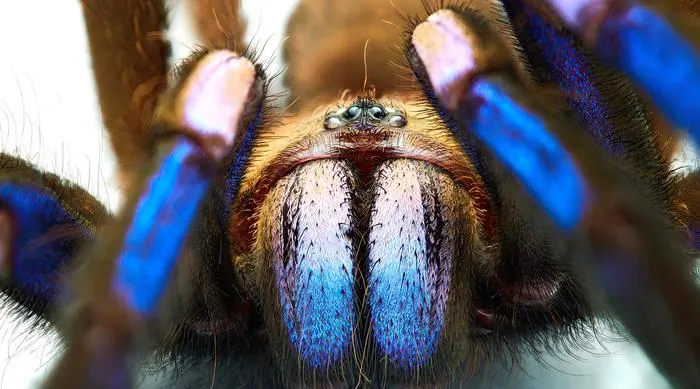
What is a Blue Tarantula?
The Blue Tarantula, scientifically known as Chromatopelma cyaneopubescens, is a visually striking and captivating arachnid that has gained popularity among exotic pet enthusiasts. Despite its common name, the blue coloration can vary, often appearing more iridescent or turquoise depending on the light and the tarantula’s stage of development. These spiders are native to the coastal regions of Venezuela and are known for their relatively docile temperament compared to some other tarantula species, making them somewhat suitable for experienced keepers. They are not known for their aggression. Understanding their needs and characteristics is key to successfully keeping and appreciating these beautiful creatures. Their unique appearance and manageable care requirements make them a fascinating subject for observation and a rewarding pet for those who are prepared to provide the right environment.
Appearance of the Blue Tarantula
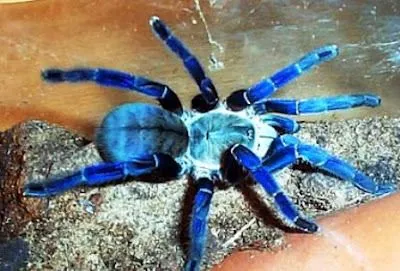
The appearance of the Blue Tarantula is truly what sets it apart. They are renowned for their vibrant blue coloration, which is particularly prominent on their legs and carapace. The intensity of the blue can vary, with some individuals displaying a more vibrant, almost electric blue, while others have a more muted turquoise hue. The contrast of the blue with the orange or reddish hairs on the abdomen creates a stunning visual effect, making this species a favorite among tarantula keepers. The size of an adult Blue Tarantula typically ranges from 5 to 6 inches in leg span. They have robust bodies and powerful legs, enabling them to effectively navigate their environment and capture prey. As they mature, their colors will intensify and will shed its exoskeleton multiple times throughout its life, which is called moulting, to allow them to grow.
Color Variations

Color variations in Blue Tarantulas depend on several factors, including age, genetics, and even environmental conditions. Younger specimens may have less intense coloration, gradually intensifying as they mature. The blue pigment is often most striking during their adult stages. The iridescence is also impacted by the angle of light, adding a dynamic element to their appearance. Some individuals may exhibit slightly different shades of blue, ranging from deep cobalt to a lighter, more greenish-blue. While most Blue Tarantulas display a combination of blue and orange, the exact hues and patterns can vary, adding to the individual uniqueness of each tarantula. These variations make each spider a unique work of nature, attracting the eyes of any tarantula admirer.
Identifying a Blue Tarantula
Identifying a Blue Tarantula is relatively straightforward due to its distinctive coloration and physical characteristics. The key features to look for include the vibrant blue legs and carapace. The orange or reddish hairs on the abdomen also provide a contrast that helps in identification. The size of the tarantula can also be an indicator; adult Blue Tarantulas typically have a leg span of 5 to 6 inches. Comparing these characteristics to images of known Blue Tarantulas can help in confirming their identity. If you’re unsure, consulting with experienced keepers or checking with online resources can provide additional assurance. It’s essential to note that the appearance of tarantulas can change during molting, so the color may not always be at its peak, but the overall pattern and shape will remain consistent.
Habitat and Natural Range
The natural habitat of the Blue Tarantula is crucial for understanding its care requirements. They are endemic to the coastal regions of Venezuela. In their native environment, these tarantulas inhabit a diverse array of microhabitats. Understanding the natural environment helps recreate suitable conditions in captivity. Mimicking the climate, substrate, and hiding places will provide your tarantula with all the necessary environmental conditions and will greatly help to keep your pet thriving.
Where Do Blue Tarantulas Live?

Blue Tarantulas are typically found in terrestrial habitats, often in areas with moderate humidity and temperatures. They create burrows in the ground or utilize natural crevices, providing them shelter from predators and the elements. In the wild, you’ll often find them in regions with sandy or loamy soils, which allow for easy burrowing. They also benefit from the shelter provided by rocks, vegetation, and leaf litter. The precise location can vary depending on the availability of food, moisture, and suitable shelter. Blue Tarantulas are adaptable and can thrive in various conditions within their preferred habitat, making them capable of colonizing diverse environments within their range.
What is their Native Habitat?
Their native habitat comprises the coastal areas of Venezuela, specifically in the regions with warmer temperatures and moderate humidity. These areas are characterized by sandy or loamy soils, which are suitable for the tarantulas to burrow and create their homes. The Blue Tarantulas coexist in an environment with a variety of plants, from grasses to small shrubs. These plants offer additional hiding spots and contribute to the overall humidity and microclimate of the area. The presence of insects, small invertebrates, and occasionally other small animals provides a diverse food source for these tarantulas. The climate conditions typically include a distinct wet and dry season, which influences their behavior and reproduction cycles. The consistent temperatures and humidity levels in their natural habitat are essential factors influencing their lifestyle.
Behavior and Temperament
Blue Tarantulas are generally known for their relatively docile temperament, especially compared to some other tarantula species. However, like all tarantulas, they can exhibit defensive behaviors when they feel threatened. Understanding their behavior and temperament is essential for responsible care. Most Blue Tarantulas are not aggressive, but it is important to be mindful of their individual personalities and provide them with a secure environment. Observing their behavior and learning to recognize signs of stress, such as a defensive posture, is important for any tarantula keeper.
Are Blue Tarantulas Aggressive?

While not generally considered aggressive, Blue Tarantulas can display defensive behaviors if they feel threatened. This can include raising their front legs, showing their fangs, or flicking urticating hairs (tiny, irritating hairs on their abdomen) as a warning. Handling should be kept to a minimum and done with utmost care to avoid provoking them. It is important to respect their personal space and avoid sudden movements that could be perceived as a threat. Providing them with a secure and comfortable habitat helps them feel safe, reducing the likelihood of defensive behavior. While bites are possible, they are uncommon, and the venom is not considered medically significant to humans, although the physical trauma can be painful. The level of aggression can vary from individual to individual, and it is best to approach any tarantula with caution and respect.
Common Behaviors
Blue Tarantulas exhibit several common behaviors that are essential to understand. They are primarily nocturnal hunters, being most active during the night. They spend much of the day hidden in their burrows or under cover. They are also known to be skilled web spinners, creating silk retreats and sometimes web barriers within their enclosures. You may observe them rearranging the substrate and creating or maintaining their homes. They also have a unique molting process, shedding their exoskeleton to grow, a vulnerable time when they tend to hide and avoid any disturbance. Learning to recognize these behaviors helps you provide the best care. They are naturally cautious and may become stressed by loud noises or rapid movements. They also spend much of their time creating webs in their habitat to use as protection.
Diet and Feeding Habits
The diet of a Blue Tarantula is a crucial aspect of their care, influencing their overall health, growth, and vitality. They are primarily insectivores, meaning their diet consists of insects. Providing a variety of food sources ensures that the tarantula receives all the necessary nutrients. Understanding their feeding habits will help you keep your pet healthy and happy. A balanced diet contributes to a healthy life and the vibrant colors that are known for this specific tarantula. Avoid feeding them anything outside of insects and other arachnids.
What do Blue Tarantulas Eat?

Blue Tarantulas primarily feed on a variety of insects. Crickets, roaches, mealworms, and other readily available feeder insects make up the bulk of their diet. The size of the prey should be appropriate for the tarantula’s size, usually no larger than the tarantula’s body. It is important to vary the diet to provide a range of nutrients. You can occasionally offer the tarantulas other small invertebrates such as small spiders or other types of insects. It is important to ensure that any insects used as food are free from pesticides or chemicals. A varied diet helps ensure the tarantula receives a balanced intake of nutrients, which contributes to their overall health and the vibrancy of their colors.
Feeding Frequency
The feeding frequency for Blue Tarantulas depends on their age and size. Younger tarantulas, especially spiderlings, require more frequent feeding, often every other day or every day. As they mature, the frequency can be reduced. Adult Blue Tarantulas usually need feeding once or twice a week, but this can vary. It is important to observe the tarantula’s behavior. They will typically stop eating when they are full or preparing to molt. Remove any uneaten prey within 24 hours to avoid stress on the tarantula. Always ensure fresh water is available for your tarantula. Providing a suitable feeding schedule will keep your tarantula healthy and will give you the opportunity to view your pet in its natural behavior.
Lifespan and Life Cycle
Understanding the lifespan and life cycle of the Blue Tarantula is critical for providing appropriate care and managing expectations as a pet owner. The tarantulas have a specific life cycle, from being spiderlings to adults. Their lifespan is affected by many factors, including their health and the environments they inhabit. It is essential to know what stage of life your tarantula is in to provide the proper care. Blue Tarantulas go through several stages during their lives, which greatly impact their daily living habits. Understanding all of these characteristics will help you care for your pet.
How Long Do Blue Tarantulas Live?

The lifespan of a Blue Tarantula varies based on the sex of the tarantula. Female Blue Tarantulas can live for a significantly longer duration, often between 10 and 12 years. Male Blue Tarantulas have a shorter lifespan, typically living for 3 to 5 years. The difference in lifespan is due to the biological factors of reproduction. A healthy diet, appropriate habitat conditions, and consistent care contribute to a longer lifespan. During the tarantula’s lifetime, they will undergo a process called molting, a time in which they shed their exoskeleton and grow. Understanding the lifespan will help you provide a more comprehensive and nurturing environment for your tarantula.
Moulting Process
Moulting is a crucial part of the Blue Tarantula’s life cycle, enabling them to grow and regenerate lost limbs. This is the process where they shed their exoskeleton. The frequency of molting depends on the age and the size of the tarantula. Younger spiderlings molt more frequently than adults. During the molting process, the tarantula will typically stop eating and find a safe place to hide. They will often lie on their back, gradually pushing off the old exoskeleton. The process can take several hours or even days. It is important to provide high humidity during this time, keeping the substrate moist but not wet. After molting, the tarantula will be more vulnerable. Avoid handling the tarantula during the molting process. After molting, the tarantula’s colors may appear brighter. The new exoskeleton will harden over several days. It’s a fascinating and natural process that allows the tarantula to grow and remain healthy.
Blue Tarantula Care Guide
Caring for a Blue Tarantula involves providing a suitable habitat, maintaining optimal environmental conditions, and adhering to proper feeding and handling practices. This will help you keep your tarantula safe and healthy. By understanding their specific needs, you can create an environment where your Blue Tarantula thrives. A proper habitat, adequate temperature, and humidity are essential to keeping your pet healthy and happy. A well-cared-for Blue Tarantula can become a captivating addition to your home.
Creating the Ideal Habitat

Creating the ideal habitat for a Blue Tarantula involves replicating its natural environment. The enclosure should be appropriately sized, allowing ample space for the tarantula to move and create a burrow. The minimum size for an adult should be 10 gallons, but larger is always better. The enclosure should have a secure lid to prevent escapes. Provide a substrate that allows the tarantula to burrow, such as a mixture of peat moss, coco coir, and vermiculite. Add some decorations, such as cork bark or artificial plants, to provide hiding places. The enclosure should be placed away from direct sunlight and drafts. The environment needs to be consistently maintained. Be mindful of your pet’s needs and create the best environment possible.
Temperature and Humidity
Maintaining the correct temperature and humidity levels is crucial for the health and well-being of a Blue Tarantula. The ideal temperature range is between 75 and 85 degrees Fahrenheit (24 to 29 degrees Celsius). This can be achieved using a heat mat or a low-wattage heat lamp, but be cautious of overheating the enclosure. Humidity should be maintained at around 70-80%, which can be achieved by misting the enclosure with water. Using a hygrometer to monitor the humidity level is recommended. Proper ventilation is also essential to prevent mold growth and ensure the tarantula’s health. Make sure to place the enclosure away from direct sunlight and drafts. Regular monitoring and adjustments will help ensure optimal conditions for the tarantula. Correcting the temperature and humidity is critical for your pet.
Substrate and Enclosure
The choice of substrate and enclosure is essential for the well-being of a Blue Tarantula. The enclosure should be made of glass or clear plastic and be of a suitable size. The substrate should be several inches deep to allow the tarantula to burrow and feel secure. A suitable mix consists of peat moss, coco coir, and vermiculite, which provide a good balance of moisture retention and drainage. Avoid substrates with sharp materials or chemicals. Regularly cleaning the enclosure and spot-cleaning to remove uneaten food and waste is also essential. Replacing the substrate periodically will maintain the cleanliness and health of the environment. A clean enclosure will protect the Blue Tarantula from any bacteria or other pathogens.
Health and Common Issues
Understanding the health and common issues of a Blue Tarantula is vital for responsible care. Common health issues can impact their behavior and longevity. Regular observation and preventative measures can help maintain the health of your pet. By proactively addressing potential problems, you can provide a healthy and enriching environment. Being informed will help you catch problems before they get worse and can improve your pet’s quality of life. Health and preventative measures are key to a long-lasting relationship with your Blue Tarantula.
Common Health Problems
Blue Tarantulas, like all tarantulas, can be susceptible to certain health problems. Dehydration is a common issue. Ensure a constant supply of fresh water and proper humidity levels. Parasites are another concern. The best defense is to source insects from reliable sources. Other health issues may include fungal infections, mites, or injuries from falls or other traumas. Recognizing the signs of these issues early and seeking expert advice is important for the well-being of the tarantula. Monitoring their behavior and appearance will assist in detecting early signs of problems, helping ensure that you know if there are any problems to handle.
Preventative Measures
Taking preventative measures is key to maintaining the health of your Blue Tarantula. Providing a clean and properly maintained enclosure will prevent many potential problems. Maintaining proper temperature and humidity is essential to prevent issues. A well-balanced diet and appropriate feeding practices will also contribute to a healthy tarantula. Handling should be kept to a minimum, as excessive handling can cause stress and potential injury. Regularly inspecting your tarantula for signs of illness or injury is crucial. Sourcing insects from reputable sources will help prevent parasites. By taking these preventative steps, you can minimize the risk of health problems and keep your tarantula thriving.
Are Blue Tarantulas Good Pets?
Whether Blue Tarantulas make good pets depends on individual preferences and circumstances. They can be rewarding pets for those who appreciate their unique beauty and manageable care requirements. Blue Tarantulas are generally docile and do not require extensive handling. They are relatively low maintenance compared to many other pets, as their care primarily involves providing a suitable habitat, proper feeding, and maintaining the correct environmental conditions. However, they are not interactive pets and are best observed rather than handled frequently. Anyone considering owning a Blue Tarantula should research their needs thoroughly. They are a great pet for someone who enjoys observing the natural world and is patient, calm, and attentive. Their striking colors and fascinating behaviors make them an exciting and unique addition to a home.