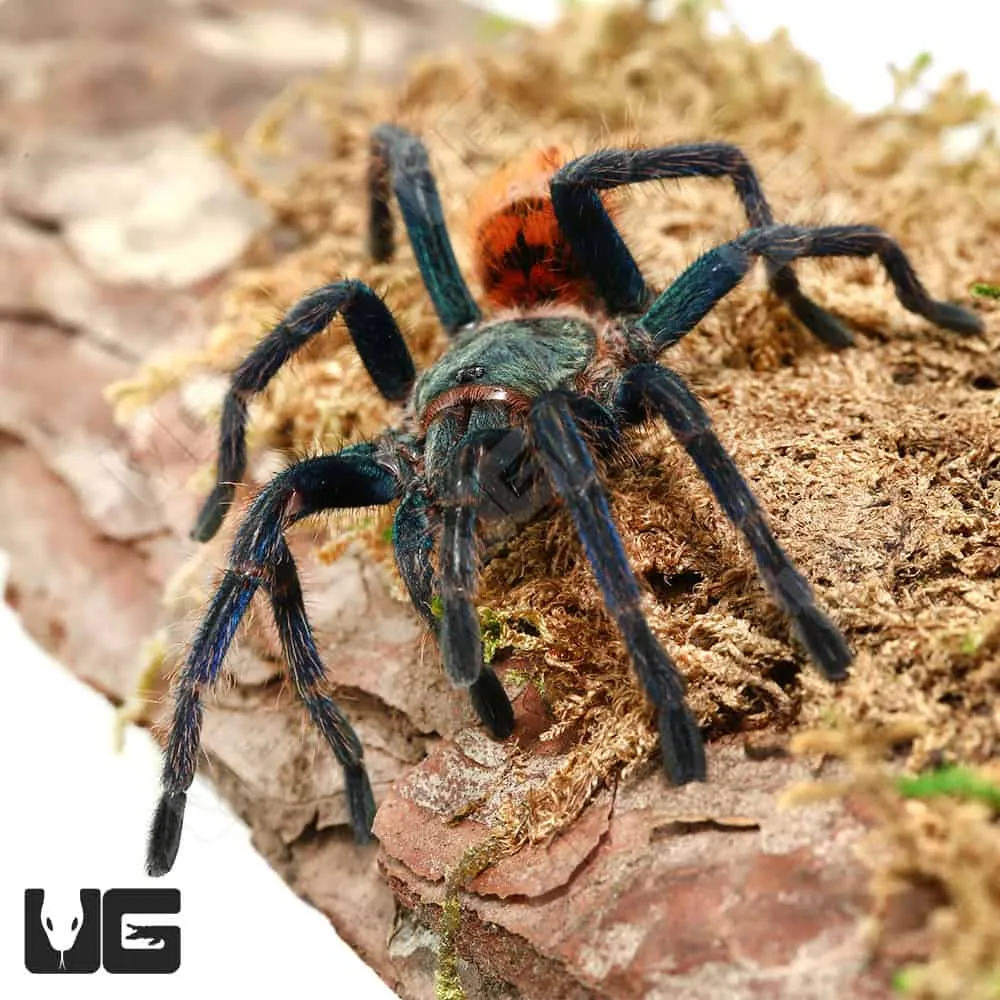
Appearance and Characteristics
The Green Bottle Blue Tarantula, particularly in its juvenile stage, is a captivating creature, instantly recognizable by its striking coloration. This species, scientifically known as Chromatopelma cyaneopubescens, is a popular choice among tarantula enthusiasts due to its beauty and relatively docile temperament. The juvenile phase is a crucial period in the tarantula’s life, marked by rapid growth and significant changes in appearance. Understanding the characteristics of a juvenile Green Bottle Blue is the first step in providing proper care and appreciating the unique qualities of this fascinating arachnid. Their vibrant colors and relatively small size make them a joy to observe, and their behavior offers a unique window into the world of tarantulas. Observing these creatures, you will easily be amazed by their behavior and the uniqueness of their species.
Distinctive Coloration
The most striking feature of the Green Bottle Blue Tarantula is, without a doubt, its coloration. As juveniles, these tarantulas begin to exhibit the vibrant hues that give them their common name. The legs display a brilliant blue, which intensifies with each molt, while the carapace, or the top shell of the cephalothorax, often presents a metallic green or bronze sheen. The abdomen may start with a darker color, eventually developing orange or red hairs, adding to the overall visual appeal. This unique color combination sets them apart from many other tarantula species. The juveniles are often more colorful than the adults in many instances, with vibrant displays as their color palette evolves with maturity. These vibrant colors are not just for show, but also play a role in camouflage and communication within their natural habitat.
Size and Growth Stages

Juvenile Green Bottle Blue Tarantulas are considerably smaller than their adult counterparts, making them easier to house and observe. The size of a juvenile can vary depending on its age and feeding habits, but they typically start very small, often under an inch in leg span. As they molt, they grow, shedding their exoskeleton and revealing a new, larger one. The frequency of molting is more often during the juvenile stages, which can be as frequent as once a month or every few months, depending on the tarantula’s age, diet, and environmental conditions. Each molt is a crucial period of growth, where the tarantula not only increases in size but also develops more vibrant colors. The rate of growth slows as the tarantula approaches adulthood, with molting becoming less frequent. Proper care and a balanced diet are crucial during the juvenile phase to support healthy growth and development. This is the crucial stage to provide the spider with appropriate and safe housing to thrive.
Habitat and Native Region
The Green Bottle Blue Tarantula is native to the coastal regions of northern Venezuela and the Paraguaná Peninsula. In their natural habitat, these tarantulas thrive in a warm and humid environment. They are often found in scrublands and drier forests, where they create silk retreats and webs for shelter and ambush prey. They are a terrestrial species, meaning they spend most of their time on the ground, but they are also capable climbers. Understanding their natural habitat is essential for replicating their needs in captivity. Replicating the environment as close to their habitat is the most basic care you need to provide. This includes appropriate temperature, humidity, and substrate. This will ensure the spider thrives with the proper lifestyle, contributing to its overall health and well-being.
Natural Environment
In their natural environment, Green Bottle Blue Tarantulas live in burrows or silk-lined retreats, providing protection from predators and the elements. They are ambush predators, patiently waiting for unsuspecting prey to come within striking distance. The terrain of their native habitat often includes a mixture of vegetation, rocks, and sand, creating a diverse and complex ecosystem. The climate in these regions is typically warm and dry, requiring the tarantulas to adapt to varying levels of humidity and temperature. These tarantulas are very popular in their natural habitat. The spider’s behavior is closely tied to its environment, with factors such as temperature, humidity, and the availability of prey influencing its activity and survival. The ability to recreate these conditions is a key aspect of successful tarantula care.
Behavioral Traits

Green Bottle Blue Tarantulas, even as juveniles, display a range of fascinating behaviors. They are known for being relatively docile compared to some other tarantula species. However, individual temperaments can vary. They spend a considerable amount of time constructing and maintaining their silk retreats, which serve as both shelter and a place to ambush prey. The juveniles are often more active during the night, exploring their enclosure and hunting for food. Observing these behaviors provides valuable insights into their well-being and helps owners understand their needs. Understanding their activity levels, feeding habits, and defensive behaviors can help caretakers offer them the best possible environment, ensuring their health and happiness. The level of interest that these spiders hold for their owners is quite high due to their beauty and docile nature.
Temperament of Juveniles
Juvenile Green Bottle Blue Tarantulas are generally considered to be less aggressive than some other tarantula species. They tend to be more skittish, often retreating to their burrows or silk retreats when threatened. They possess urticating hairs, which they can flick off their abdomen as a defense mechanism. However, these hairs are not as irritating as those of some other tarantulas. It’s still important to handle them with care and avoid sudden movements. Proper handling techniques and understanding their behavior can minimize the risk of any defensive reactions. Observing the tarantula’s body language and understanding their temperament will increase the likelihood of successful and safe interactions with these fascinating creatures. The more you engage with them and understand their behavior, the better the experience will be.
Feeding Habits
Feeding is a crucial aspect of caring for juvenile Green Bottle Blue Tarantulas, as it directly impacts their growth and overall health. They are opportunistic feeders, meaning they will consume a variety of prey items. The frequency and type of food provided depend on the tarantula’s size and age. Providing a balanced diet is vital to ensure the tarantula receives all the necessary nutrients for healthy development. Careful monitoring of the tarantula’s appetite and growth rate is essential to adjust feeding schedules and prey sizes accordingly. The process is very interesting and makes the care for these species an enjoyable and rewarding experience. Offering the right food and the right amount is the key to raising a healthy spider and will provide joy to the owner.
Dietary Requirements

Juvenile Green Bottle Blue Tarantulas require a diet that is rich in protein and other essential nutrients. Common food items include crickets, mealworms, and roaches. The size of the prey should be appropriately sized for the tarantula, with the general rule being the prey should be no larger than the tarantula’s body. It is also important to provide a variety of food items to ensure a balanced diet. In addition to live prey, some keepers offer pre-killed prey to reduce the risk of injury to the tarantula. Supplementing the diet with vitamins and minerals is generally not necessary if a balanced diet is provided. Regular feeding, typically once or twice a week, is usually sufficient for juveniles, adjusting the frequency based on the tarantula’s growth and appetite. Providing a rich and complete diet is also vital for keeping the spider healthy and reducing stress levels.
Prey Preferences
While Green Bottle Blue Tarantulas will consume a variety of prey, they often have preferences. Crickets are a common choice due to their availability and nutritional value. Mealworms are another option, but they have a harder exoskeleton and may be less appealing to some tarantulas. Roaches are a preferred food item for many tarantulas because they are high in protein and easy to digest. When selecting prey, it is important to ensure they are healthy and free from parasites or pesticides. Some keepers may also offer pre-killed prey to make feeding easier and to reduce the risk of the tarantula being injured by the prey. Providing a varied diet that includes different types of prey can help ensure the tarantula receives a balanced intake of nutrients.
Molting Process
Molting is a natural process for tarantulas where they shed their exoskeleton to grow. It is a vulnerable time for the tarantula, during which they are soft and defenseless. As juveniles, Green Bottle Blue Tarantulas molt frequently, which can be once a month or every few months. The frequency of molting decreases as they reach adulthood. Understanding the molting process is essential for providing proper care during this period. Creating a safe and undisturbed environment is crucial. This includes maintaining the appropriate temperature, humidity, and avoiding any disturbances that could stress the tarantula. The ability to properly care for the spider during this process increases the chances of a successful molt, which also supports the spider’s overall health and well-being.
What to Expect During Molting

Before molting, a juvenile Green Bottle Blue Tarantula will typically stop eating and may become less active. The tarantula may also develop a darker color and may lie on its back. During the molting process, the tarantula will split its old exoskeleton and slowly wriggle out of it. This process can take several hours or even days. It is crucial to avoid disturbing the tarantula during molting and to provide a safe environment. After molting, the tarantula’s new exoskeleton will be soft and vulnerable for a period of time. It is important to avoid feeding the tarantula until its new exoskeleton has hardened, which typically takes a week or two. After this process, the tarantula is a lot bigger and will display more vivid colors, which is a great indication of a successful molt.
Lifespan and Conservation
Green Bottle Blue Tarantulas have a lifespan that can range from several years to over a decade, depending on the sex and living conditions. Females typically live longer than males, often living for 10-12 years or more. Males usually have a shorter lifespan, typically around 3-5 years. The conservation status of the Green Bottle Blue Tarantula is of particular concern due to habitat loss and collection for the pet trade. Efforts to conserve their natural habitat and to promote responsible pet ownership are important. Breeding programs and habitat preservation initiatives are crucial to ensuring the long-term survival of this species. The more awareness we have about these species and their conservation, the better our chances of preserving them.