Amazing Blue Tarantulas South America
The blue tarantula, a captivating arachnid, is a jewel of South America’s diverse ecosystem. These spiders, celebrated for their striking blue coloration, have captured the fascination of arachnid enthusiasts and casual observers alike. Their existence is a testament to the remarkable biodiversity of the region, particularly in the Amazon rainforest and surrounding areas. This article delves into five captivating facts about these stunning creatures, providing insights into their appearance, habitat, behavior, and the challenges they face.
Appearance of the Blue Tarantula
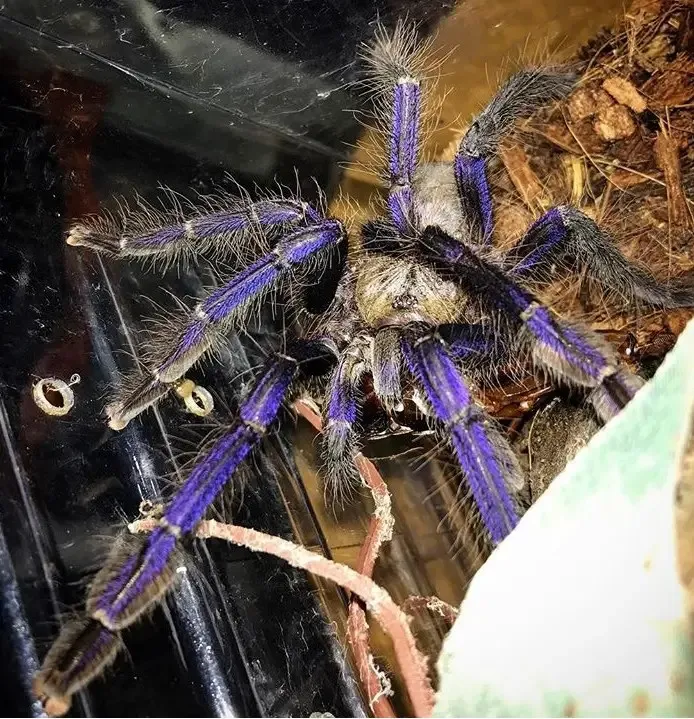
The most striking feature of the blue tarantula is, undoubtedly, its vibrant blue hue. This coloration is not merely a cosmetic attribute; it serves several biological functions, including camouflage and mate attraction. The intensity of the blue can vary depending on factors such as age, health, and environmental conditions. Beyond their color, these spiders possess the typical characteristics of tarantulas — a large, hairy body with eight legs, two pedipalps near the mouth, and two chelicerae equipped with fangs.
Unique Blue Coloration

The blue coloration is due to the presence of unique pigments and structural coloration, rather than melanin-based pigments, commonly found in other spiders. The structure of their hairs scatters light, creating the vibrant blue appearance. This phenomenon, called structural coloration, is similar to how a blue jay’s feathers get their color. This unique feature makes them highly sought after in the exotic pet trade, and also provides a striking visual display within their natural habitat, contrasting against the greens and browns of their rainforest environment.
Size and Physical Characteristics
Blue tarantulas are medium-sized tarantulas. Females are generally larger than males, with a leg span that can reach up to 5-6 inches. Their bodies are covered in fine hairs, adding to their visual appeal. Their overall structure is robust, designed to navigate their environment and hunt effectively. They have powerful chelicerae for subduing prey, and their bodies are segmented, allowing for flexibility and movement. Their physical characteristics contribute to their survival and ability to thrive in their specific ecological niche. The overall size and robustness are essential aspects of their physical makeup.
Habitat and Distribution
Blue tarantulas are primarily found in the tropical rainforests of South America. These habitats provide the specific environmental conditions that the tarantulas need to survive. The distribution of blue tarantulas is not uniform across the continent; they are often found in specific microclimates and areas with particular vegetation and soil conditions. The specific habitats and environmental characteristics play a crucial role in their survival and reproduction. They thrive in areas with high humidity and moderate temperatures.
Preferred Habitats

These tarantulas prefer humid environments, often found in burrows or under rocks, logs, and the leaf litter of the forest floor. The burrows protect them from predators and extreme weather conditions. They construct their homes in locations that provide shelter and easy access to prey. The preferred habitat provides them with everything they need to thrive — protection, food, and an appropriate microclimate. The presence of specific plants and insects also contributes to the suitability of their habitat.
Geographic Range in South America
The geographic range of blue tarantulas includes countries like Brazil, French Guiana, and Suriname. Their presence is strongly tied to the Amazon rainforest, where they can find ideal conditions for survival. The distribution within these countries is influenced by specific environmental factors and the availability of resources. Understanding their geographic range is crucial for conservation efforts and monitoring their population. The distribution is not uniform, but instead, is concentrated within the more favorable, humid areas.
Diet and Feeding Habits
Blue tarantulas are primarily carnivorous, with a diet consisting mainly of insects, but they are opportunistic feeders and will consume whatever they can overpower. Their diet and feeding habits are critical to their growth, energy levels, and reproduction. They use their fangs and venom to immobilize their prey before consuming it. The composition of their diet can vary depending on their habitat and the availability of prey. The efficiency with which they hunt and consume their food contributes to their overall survival.
What Blue Tarantulas Eat

The diet of blue tarantulas primarily consists of insects like crickets, mealworms, and roaches. They may also consume small vertebrates, such as lizards or small rodents, when available. Their feeding habits are influenced by the size of the tarantula, with larger spiders requiring more substantial meals. Their diet plays a vital role in their growth and health. They often wait in ambush, patiently waiting for prey to come within striking distance, showcasing their predatory nature.
Hunting Strategies
Blue tarantulas are ambush predators, meaning they wait for their prey to come within striking distance before ambushing it. They use their chelicerae to inject venom into the prey, paralyzing it. They have very sensitive hairs called trichobothria on their legs, which they use to detect vibrations in the ground, indicating the presence of prey. The hunting strategies of blue tarantulas showcase their adaptations to survive in their natural habitat, and they’re extremely effective hunters.
Behavior and Temperament
The temperament of blue tarantulas can vary. They are generally considered to be docile, but they can become defensive when threatened. Understanding their behavior and temperament is important for both their conservation and the safety of those who encounter them, especially in captivity. Their interactions with their environment and other creatures help determine their chances of survival. Proper handling and understanding of their signals is essential.
General Temperament and Handling

Blue tarantulas are generally not aggressive, but they may bite if they feel threatened. They are best observed from a distance to avoid any potential stress. Handling should be done cautiously and with experience, as a bite can be painful. The temperament of a tarantula can vary between individuals. A calm approach and understanding their behavioral cues are vital for anyone handling them. Their reactions to stimuli determine how they will react when encountered.
Defensive Mechanisms
Blue tarantulas have a few defensive mechanisms. One of their main defenses is the use of urticating hairs. They also may bite. Their primary defense, if they feel threatened, is to flick the urticating hairs from their abdomen, causing irritation upon contact with the skin of a potential predator. When threatened, they may also assume a defensive posture, raising their front legs and displaying their fangs. They usually try to escape rather than fight, if they are given the chance. They are well equipped for defense, but generally avoid confrontation if possible.
Conservation Status
The conservation status of the blue tarantula is a matter of ongoing concern. Several factors threaten their populations, including habitat loss and the exotic pet trade. Understanding these threats and conservation efforts is important for preserving these unique species. Their survival depends on the actions taken to address their vulnerabilities. Their presence is vital for biodiversity and ecological balance.
Threats to Blue Tarantulas

The primary threats to the blue tarantula are habitat destruction due to deforestation and the impact of the exotic pet trade. Many are captured from the wild to be sold as pets. Habitat loss reduces their living space and resources, and over-collection depletes their populations. Climate change and pesticide use also pose potential risks. The combination of these factors threatens their long-term survival. These threats can drastically reduce their numbers and lead to local extinction.
Conservation Efforts
Conservation efforts include habitat preservation, regulation of the pet trade, and public education. Protected areas provide safe habitats, and responsible pet ownership and breeding can reduce the demand for wild-caught spiders. Educational programs raise awareness about these fascinating creatures. Supporting conservation organizations and advocating for sustainable practices are also vital for their preservation. The success of conservation relies on a collaborative effort among scientists, governments, and the public.
In conclusion, the blue tarantula of South America is a remarkable creature with unique characteristics and a vital role in its ecosystem. Its stunning coloration, fascinating behavior, and the challenges it faces make it a subject of great interest. By understanding and addressing the threats to its survival, we can help ensure that future generations can continue to marvel at these incredible spiders.