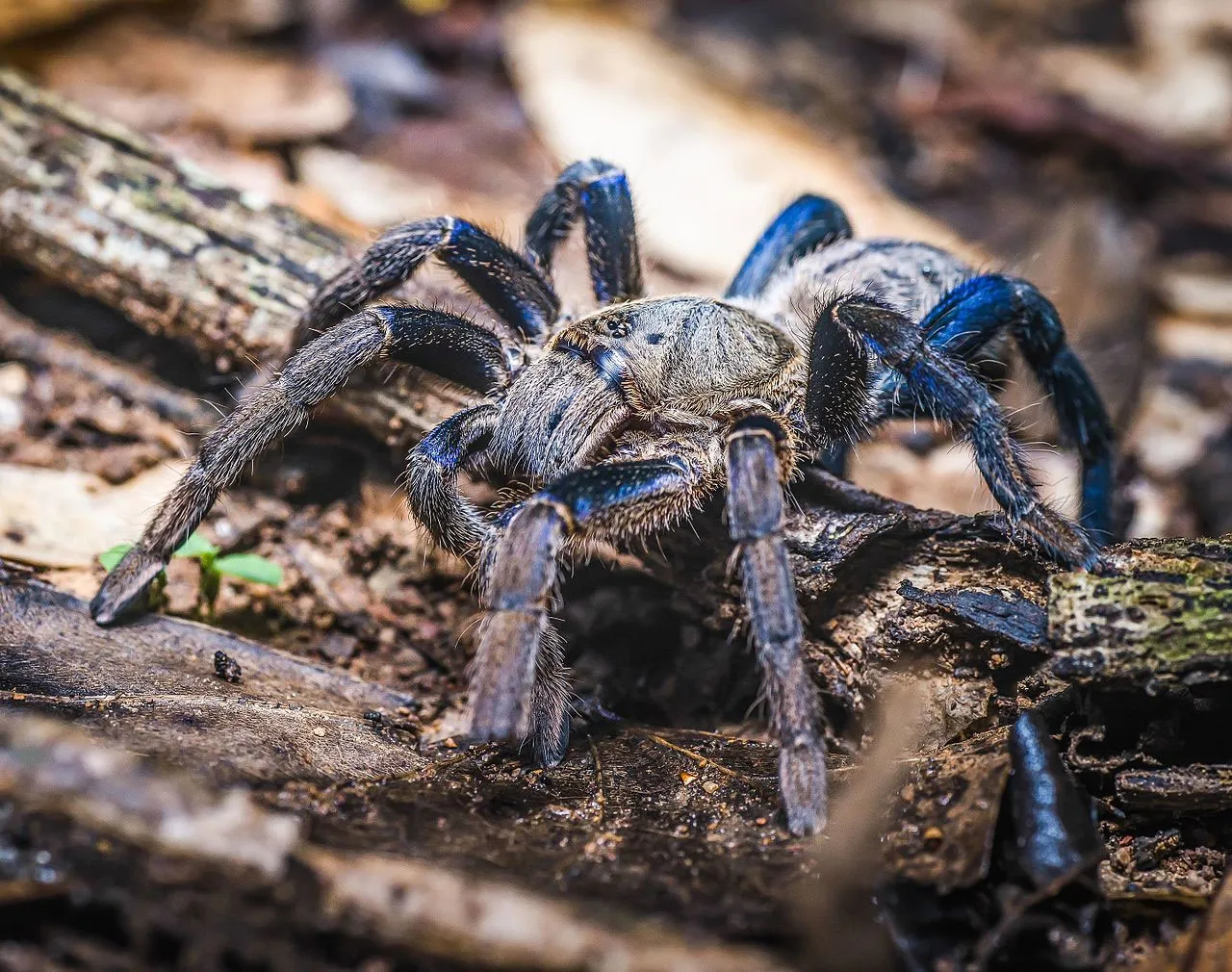
What is a Blue Tarantula?
The term “Blue Tarantula” typically refers to several species of tarantulas known for their striking blue coloration. These captivating arachnids are highly sought after by exotic pet enthusiasts due to their unique appearance and intriguing behaviors. The vibrant blue hues, which can range from electric blue to a more muted shade, are a result of the structure of their hairs, which reflect light in a way that creates the illusion of color. This phenomenon, known as structural coloration, is different from pigmentation, which involves actual colored pigments. These tarantulas are a fascinating subject for anyone interested in the wonders of the natural world, offering a glimpse into the beauty and diversity found within the spider family. Their relatively manageable size and interesting behaviors contribute to their popularity, making them a unique and rewarding pet option for those who are well-informed and prepared to provide appropriate care.
Appearance and Characteristics
Blue tarantulas are immediately recognizable by their stunning blue coloration, which is most prominent on their legs, carapace (the top part of the cephalothorax), and sometimes the abdomen. The intensity of the blue can vary depending on the species, age, and even the individual tarantula. Beyond their color, these tarantulas share the general characteristics of all tarantulas. They have eight legs, two pedipalps (used for sensing and manipulating food), and two body segments: the cephalothorax (fused head and thorax) and the abdomen. They also possess fangs, used to inject venom into their prey. The size of the blue tarantula varies based on the species, but they are generally considered medium-sized tarantulas, with a leg span ranging from 5 to 7 inches. Their bodies are covered in fine hairs, some of which are urticating hairs used for defense. This combination of striking color and unique features makes the blue tarantula a truly captivating creature.
Habitat and Distribution

Blue tarantulas are primarily found in the tropical regions of Southeast Asia, including countries such as Thailand, Vietnam, and Myanmar. They typically inhabit burrows in the ground, often near the edges of forests or in areas with moderate humidity. Their natural habitats provide the ideal conditions for their survival, including appropriate temperature, humidity, and access to prey. The exact species and their specific locations within these regions can vary. Their cryptic lifestyle and preference for hidden burrows make them somewhat difficult to observe in the wild, adding to the allure and mystery of these fascinating creatures. The conservation status of these tarantulas is generally considered stable, but habitat loss due to deforestation and the illegal pet trade pose potential threats to their long-term survival. Understanding their natural habitat is crucial for providing the best care for them in captivity, mimicking the conditions in which they thrive in the wild.
Diet and Feeding Habits
Blue tarantulas are primarily carnivores, with a diet consisting mainly of insects. In the wild, they feed on a variety of prey, including crickets, grasshoppers, beetles, and other invertebrates they can capture. They are ambush predators, lying in wait within their burrows or nearby, and using their excellent sensory abilities to detect the movements of potential prey. In captivity, a balanced diet is essential for maintaining their health and well-being. Captive blue tarantulas are typically fed crickets, mealworms, roaches, and other commercially available insects. The size of the prey should be appropriate for the tarantula’s size, avoiding anything too large that could overwhelm them. Regular feeding, typically once or twice a week for adults, ensures they receive adequate nutrition. It’s important to remove any uneaten prey to prevent the risk of injury to the tarantula. Providing a varied diet and observing the tarantula’s feeding behavior are key aspects of responsible pet ownership.
Interesting Behavior Patterns
Blue tarantulas exhibit a range of interesting behaviors that make them captivating to observe. They are generally nocturnal, most active during the evening and night, and spend much of the day hidden in their burrows. Their behavior is closely linked to their need for shelter and to avoid potential predators. They are ambush hunters, patiently waiting for prey to come within striking distance. During molting, which is the process of shedding their exoskeleton to grow, they are particularly vulnerable and will often hide. The molting process can take several hours, and the tarantula will remain inactive until its new exoskeleton hardens. Female tarantulas can be aggressive, especially when protecting their eggs, and males often exhibit a complex courtship ritual before mating. Observing these behaviors in captivity allows enthusiasts to develop a deeper understanding of the intricacies of tarantula life.
Top 5 Facts About Blue Tarantulas

Fact 1 Amazing Color
The striking blue coloration of these tarantulas is not the result of pigments, but rather structural coloration. Tiny structures on their hairs reflect light in a way that produces the vibrant blue hue. This unique characteristic sets them apart from many other tarantula species and makes them highly sought after by collectors and enthusiasts. The intensity of the blue can vary depending on the species and lighting conditions, but it’s always a remarkable sight to behold.
Fact 2 Where they are Found
Blue tarantulas are primarily found in Southeast Asia, with populations in countries such as Thailand, Vietnam, and Myanmar. They inhabit tropical forests and areas with high humidity, where they create burrows or find shelter under rocks and logs. Their natural habitat plays a crucial role in their survival, providing the necessary conditions for their well-being, including suitable temperature and humidity levels, and a plentiful food supply.
Fact 3 Their Diet

These tarantulas are carnivores, with a diet mainly consisting of insects. In the wild, they hunt crickets, grasshoppers, beetles, and other invertebrates. In captivity, they can be fed a variety of insects, like crickets, mealworms, and roaches, ensuring they receive all the nutrients they need. A varied diet helps ensure their health and contributes to their overall well-being. It is crucial to remove any uneaten prey to keep the enclosure clean and prevent unnecessary stress on the tarantula.
Fact 4 Lifespan
Female blue tarantulas can live for a relatively long time, often 10 to 12 years or even longer under the right conditions. Males, on the other hand, typically have a shorter lifespan, often only living for a few years after reaching maturity. The lifespan can be influenced by factors such as diet, environment, and overall care. Providing a suitable habitat and proper care is critical for maximizing a blue tarantula’s lifespan and ensuring it lives a healthy life.
Fact 5 Handling
While blue tarantulas are captivating, it is generally recommended to avoid handling them unless absolutely necessary. Their urticating hairs, which they can flick off as a defense mechanism, can cause skin irritation and discomfort. They can also bite, though their venom is not considered highly dangerous to humans. Observing them in their habitat and admiring their beauty is often the best approach. If handling is required, doing so with caution and with a calm demeanor is very important to avoid stressing the tarantula. Protective gear, such as gloves, may be useful.
How to Care for a Blue Tarantula

Creating a Suitable Habitat
Creating a suitable habitat is essential for the well-being of a blue tarantula. The enclosure should be appropriately sized, providing enough space for the tarantula to move around and feel secure. A glass or plastic terrarium is ideal, with a secure lid to prevent escape. The size of the enclosure should be proportional to the tarantula’s size. A juvenile will need a smaller enclosure, whereas a full-grown adult will need something more spacious. It’s critical to consider the natural environment of these tarantulas when designing the habitat, aiming to replicate the conditions in which they thrive in the wild.
Temperature and Humidity
Blue tarantulas thrive in a warm and humid environment. Maintaining the correct temperature and humidity levels is crucial for their health. The ideal temperature range is typically between 75°F and 85°F (24°C and 29°C). Humidity levels should be maintained between 70% and 80%. This can be achieved using a combination of a heat source, such as a heat lamp or a heat mat, and regular misting of the enclosure. A hygrometer should be used to monitor humidity levels. Avoid drastic fluctuations, as these can stress the tarantula. Proper ventilation should also be considered.
Substrate and Enclosure

The substrate, or bedding, in the enclosure should be a mix of materials that help maintain humidity and allow the tarantula to burrow if it wishes. A mix of coconut fiber, peat moss, and vermiculite is a good choice. The substrate should be deep enough for the tarantula to create a burrow if it desires, typically 4-6 inches deep. Decorations such as cork bark, artificial plants, and hides can provide enrichment and a sense of security. It is important to ensure that all decorations are safe and non-toxic. Regular cleaning of the enclosure is necessary to remove any waste and uneaten food, preventing the buildup of harmful bacteria.
Feeding and Hydration
Feeding your blue tarantula is a straightforward process. As mentioned before, their diet mainly consists of insects, such as crickets, mealworms, and roaches. Feed juveniles two to three times a week and adults once or twice a week. The size of the prey should be appropriate for the tarantula’s size; never feed a tarantula prey that is larger than its body. Always remove uneaten prey within 24 hours to prevent stress or potential injury to the tarantula. Hydration is equally critical. Provide a shallow water dish filled with clean water, or mist the enclosure regularly. Water should always be available for the tarantula.
Handling and Safety Precautions
It’s generally recommended to avoid handling blue tarantulas unless absolutely necessary. They possess urticating hairs that can cause skin irritation, and they can bite. Observe them in their habitat and admire them from a distance to avoid stressing the tarantula and any potential adverse reaction. If handling is unavoidable, do so with care, using a gentle approach and avoiding sudden movements. If you must handle your tarantula, be aware that bites are possible, and wash hands thoroughly. Children should always be supervised when near these tarantulas.
Health and Common Issues

Blue tarantulas, like all tarantulas, can be susceptible to certain health issues. Common problems include parasites, fungal infections, and injuries from falls or prey. Maintain the enclosure to minimize these issues, including hygiene, proper temperatures, and correct humidity. Regular observation of the tarantula’s behavior and appearance can help detect potential problems early. If you notice any signs of illness, such as loss of appetite, lethargy, or unusual behavior, consult an experienced tarantula keeper or a veterinarian with experience in exotic animals. During molting, it is important to provide a safe and stable environment. A healthy diet, clean environment, and stress-free environment are key for maintaining the health of your blue tarantula.