What is a Brazilian Black Tarantula?
The Brazilian Black Tarantula (Grammostola pulchra) is a captivating species, highly sought after by tarantula enthusiasts. Originating from the grasslands and scrub forests of southern Brazil, this terrestrial tarantula is known for its docile temperament and striking appearance. Its deep black coloration, which intensifies with each molt, makes it a visually stunning pet. Beyond its aesthetic appeal, understanding the Brazilian Black Tarantula’s size is crucial for providing proper care, ensuring its well-being, and appreciating the fascinating biology of this remarkable arachnid. This comprehensive guide delves into the specifics of their size, and how it is affected by various factors.
Physical Appearance of the Brazilian Black Tarantula
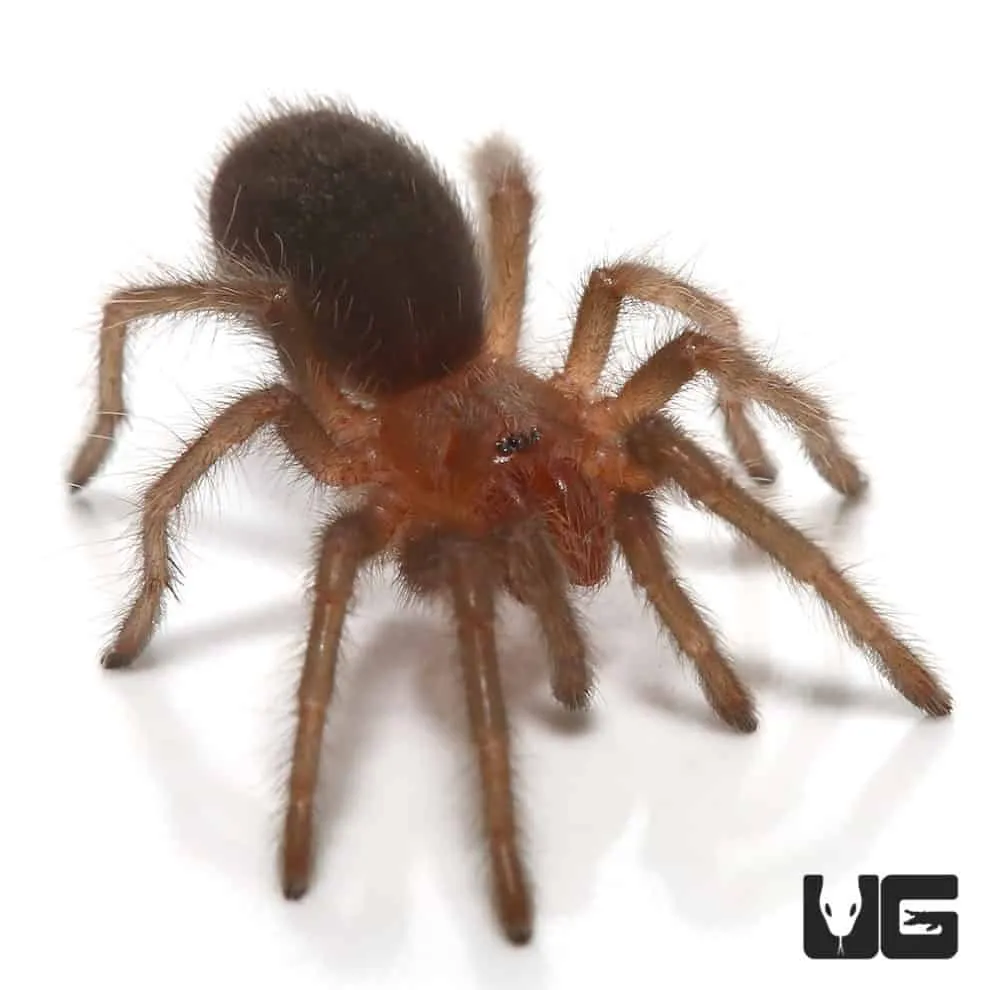
The Brazilian Black Tarantula is aptly named, as its primary color is a deep, velvety black. This uniform coloration is a defining characteristic that sets it apart from many other tarantula species. The lack of intricate patterns or vibrant colors doesn’t diminish its appeal; instead, it highlights the sleek elegance of the spider. The overall appearance is robust and substantial, reflecting the spider’s terrestrial lifestyle and powerful build. The body is covered in fine hairs (setae) that give it a textured appearance. The chelicerae, the mouthparts used for feeding, are strong and prominent. Their dark, shiny appearance adds to the overall aesthetic of the tarantula, making it an impressive sight for any observer. Understanding this species’ look is fundamental to appreciate its beauty.
Coloration and Markings

While predominantly black, the Brazilian Black Tarantula may exhibit subtle variations in color, especially under different lighting conditions. Younger specimens may appear slightly lighter, transitioning to a deeper black as they mature through molting. The setae, or fine hairs covering the body, can reflect light, creating a sheen that adds depth to the overall coloration. The intensity of the black color can also vary depending on the individual tarantula and its overall health. These subtle nuances in coloration can make each specimen unique, adding to the allure of this species. The absence of complex markings, like other tarantulas, directs the focus on its deep black aesthetic.
Body Size of the Brazilian Black Tarantula
The body size of the Brazilian Black Tarantula, measured from the front of the carapace to the rear of the abdomen, is a key indicator of its overall health and development. On average, adult females reach a body length of approximately 2 to 2.5 inches (5 to 6.5 cm). Males are typically slightly smaller, often reaching around 1.5 to 2 inches (4 to 5 cm). These measurements are averages, and individual sizes can vary depending on factors such as genetics, diet, and environmental conditions. The sturdy build is indicative of their terrestrial lifestyle. The size is also a key point when choosing the enclosure for the tarantula.
Leg Span Measurement
The leg span, or the distance from the tip of one leg to the tip of the opposite leg when fully extended, offers a more comprehensive view of the Brazilian Black Tarantula’s size. Adult females typically have a leg span of around 5 to 6 inches (12.5 to 15 cm), making them quite impressive. Males have a slightly smaller leg span, usually ranging from 4 to 5 inches (10 to 12.5 cm). The leg span measurement is an important consideration when selecting an appropriate enclosure, as it ensures the tarantula has enough space to move around and exhibit natural behaviors. It is the primary measure used when assessing the tarantula’s size.
Size Comparison to Other Tarantulas

Compared to other popular tarantula species, the Brazilian Black Tarantula is considered a medium-sized tarantula. It’s not one of the largest species, such as the Goliath Birdeater (Theraphosa blondi), which can have leg spans exceeding 10 inches. However, it is significantly larger than smaller species, like the Cobalt Blue Tarantula. Its size makes it a good choice for both novice and experienced keepers, offering a manageable size with impressive presence. The moderate size also allows for easier handling and care compared to some of the larger, more demanding species. When acquiring a Brazilian Black Tarantula, comparing its size to other tarantulas helps set realistic expectations.
Growth and Molting Process
Brazilian Black Tarantulas grow by molting, shedding their exoskeleton to accommodate their increasing size. Juvenile tarantulas molt more frequently, sometimes every few months, while adults molt less often, perhaps once a year or even less. During the molting process, the tarantula is vulnerable. The size increases significantly with each molt. The frequency of molting and the size increase are also influenced by environmental factors and the quality of their diet. The molt is a crucial stage for growth and development, and the size of the tarantula post-molt directly reflects its overall health and progress. It’s during this phase that the tarantula’s coloration also deepens, enhancing its iconic black appearance.
Factors Affecting Size
Several factors influence the final size of a Brazilian Black Tarantula. Genetics play a significant role, with some individuals naturally growing larger than others. Diet and nutrition are crucial; a diet rich in essential nutrients and vitamins will support optimal growth. Environmental conditions, such as temperature and humidity, also affect the molting and growth rate. Proper care, including appropriate enclosure size and a stress-free environment, contributes to the tarantula’s ability to reach its full potential. Ensuring that all these needs are met is critical to ensuring its ideal size.
Diet and Nutrition

The Brazilian Black Tarantula’s diet primarily consists of insects, with crickets, roaches, and mealworms being common choices. The size and nutritional value of the prey affect the tarantula’s growth and overall health. Providing a varied diet, supplemented with occasional treats like small vertebrates (pinkie mice) for adult tarantulas, ensures that the tarantula receives all the necessary nutrients for healthy development. Overfeeding can lead to faster growth, while underfeeding can stunt growth. The diet directly impacts the tarantula’s size, making it a key factor in its care. Proper nutrition is essential for the tarantula to reach its full potential size and maintain a healthy body condition.
Habitat and Environment
Creating an appropriate habitat is vital for the well-being and growth of a Brazilian Black Tarantula. The enclosure should be of appropriate size, allowing the tarantula to move freely without feeling cramped. The substrate, such as coconut fiber or peat moss, should be deep enough for the tarantula to burrow. Maintaining the correct temperature and humidity levels is crucial for molting and overall health. A well-maintained habitat promotes healthy growth. By mimicking its natural environment, you can enhance the tarantula’s growth and provide a stimulating environment. The appropriate habitat is crucial to optimize the size and overall health of the tarantula.
Sexual Dimorphism and Size
Sexual dimorphism, the physical differences between males and females, is evident in the Brazilian Black Tarantula. Adult females are typically larger, with a longer body and a wider leg span, than males. Males tend to have a more slender build and often possess tibial hooks, which are used for mating. These differences are not always obvious in juvenile tarantulas, but they become increasingly apparent as they mature. Understanding the sex of a tarantula is important for proper care, especially if you plan to breed them. The size difference between the two sexes is an important element.
Females vs. Males

Female Brazilian Black Tarantulas typically grow larger and live longer than males. They have a more robust build and can reach impressive sizes. Males, on the other hand, tend to mature faster, molt less frequently, and have a shorter lifespan. The difference in size and lifespan is directly related to their biological roles and reproductive behavior. This difference is significant when deciding on the best care. The difference is an important thing to take note of when taking care of the species.
Importance of Size in Tarantula Care
Knowing the size of your Brazilian Black Tarantula is essential for providing appropriate care. The size dictates the size of the enclosure needed, the type and amount of food required, and the overall environment. The tarantula’s size is an indicator of its health, with any significant changes possibly signaling a problem. Regular monitoring of the tarantula’s size and weight can help in identifying potential health issues. Knowing its size is essential to create an environment suited to its needs.
Enclosure Requirements
The enclosure size should be proportionate to the tarantula’s size. A general guideline is that the enclosure should be at least three times the tarantula’s leg span in width and length. The height should be sufficient to allow for the tarantula to burrow and climb. A well-ventilated enclosure is necessary to prevent the buildup of moisture. Providing a secure lid is crucial to prevent escape. Proper enclosure size and setup are essential for the tarantula’s well-being and safety. The enclosure should always be considered to match the tarantula’s size. A cramped or insecure enclosure will greatly affect the tarantula’s health.
Feeding and Handling

The size of the tarantula influences the type and amount of food it needs. Juvenile tarantulas require smaller prey, while adults can handle larger insects or even small vertebrates. Feeding frequency will also vary depending on the tarantula’s size and age. While Brazilian Black Tarantulas are generally docile, handling should be kept to a minimum. Their size and potential defensive behaviors mean they can deliver a painful bite if provoked. Always prioritize safety, and avoid handling unless absolutely necessary. Minimize handling as it can cause the tarantula stress and potentially lead to injury.
Conclusion
Understanding the size of a Brazilian Black Tarantula is crucial for responsible ownership. From the deep, black coloration to their impressive leg span, their size is fundamental to appreciate these fascinating creatures. Knowing their size helps create a proper environment. The Brazilian Black Tarantula offers an exciting and rewarding experience for any tarantula enthusiast. By focusing on appropriate care, you can ensure a healthy and thriving pet.