Bullet Ant vs Tarantula Hawk An Epic Clash
In the heart of the Amazon rainforest, a battle of epic proportions unfolds, a clash between two of the most formidable creatures in the insect world The combatants a tiny but mighty bullet ant and a fearsome tarantula hawk wasp. This is not just a fight for survival; it is a testament to the raw power and brutal efficiency of nature. These insects, though vastly different in their approach to life, both possess weaponry and strategies that make them forces to be reckoned with. This article delves deep into the anatomy, behaviors, and survival tactics of the bullet ant and the tarantula hawk, culminating in a thrilling analysis of their potential combat scenarios and the ultimate question who would win?
Anatomy of the Bullet Ant
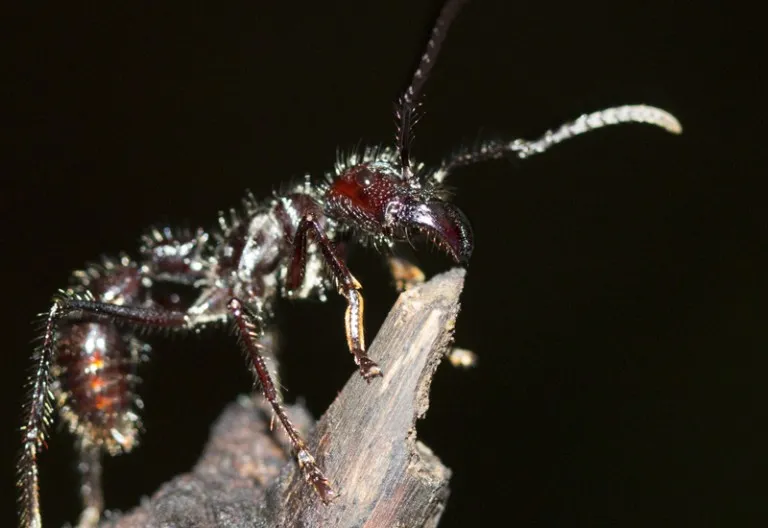
The bullet ant (Paraponera clavata) is a giant among ants, renowned for its extraordinarily painful sting. Named for the sensation it inflicts, often compared to being shot, these ants are a marvel of natural engineering. Their anatomy is finely tuned for both defense and aggression. A closer look at their features helps understand their role as apex predators in their ecosystem and their remarkable ability to inflict pain.
Physical Characteristics

Bullet ants are among the largest ant species, typically reaching up to an inch in length. They have a robust build, with powerful mandibles designed for gripping and carrying. Their exoskeleton is a dark reddish-brown color, providing both protection and camouflage within the forest undergrowth. The large size and strong structure of these ants make them formidable opponents in any confrontation, and it aids in their ability to carry food and defend their nests.
Venom and Sting
The bullet ant’s sting is notorious for its intensity, ranked as a level four on the Schmidt sting pain index. This pain, which can last for up to 24 hours, is caused by a potent neurotoxin. The sting is primarily used for defense, protecting the colony from threats. The venom injected is designed to incapacitate and deter enemies, making the bullet ant one of the most feared insects in its habitat. The sting is extremely powerful, but not usually fatal to humans.
Habitat and Distribution
Bullet ants are native to the rainforests of Central and South America. They build their nests at the base of trees or in the forest floor, where they create extensive underground tunnel systems. These colonies are typically relatively small, comprising only a few hundred individuals. Their habitat is characterized by high humidity and dense vegetation, providing the perfect environment for these formidable ants to thrive. These ants are an integral part of the complex ecosystem, playing a crucial role in seed dispersal and insect control.
Anatomy of the Tarantula Hawk

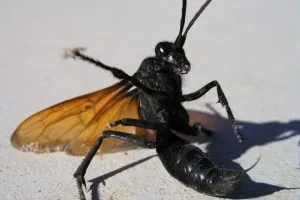
The tarantula hawk (Pepsis grossa) is a large, powerful wasp with a fearsome reputation, well-earned. These wasps are known for their stunning iridescent blue-black bodies and rusty orange wings. Their primary prey is the tarantula spider, which they paralyze and use as a host for their larvae. Let’s explore the anatomy of this remarkable predator to understand how it manages such a feat.
Physical Characteristics
Tarantula hawks are among the largest wasps in the world, with a body length that can exceed two inches. They have a robust build, with powerful legs adapted for grappling and carrying heavy prey. Their stingers are long and notably thick, specifically designed for penetrating the tough exoskeleton of a tarantula. The striking coloration of the wasp serves as a warning to potential predators, signaling their potent sting and aggressive nature.
Venom and Sting
The tarantula hawk’s sting is considered one of the most painful in the world, second only to the bullet ant on the Schmidt sting pain index. The venom is specifically designed to paralyze its prey, allowing the wasp to drag the tarantula to a burrow, where an egg is laid on the spider’s abdomen. The pain, though intense, is short-lived, allowing the wasp to quickly subdue its prey and proceed with its reproductive cycle. Their venom is not typically lethal to humans, but it induces immediate and extreme pain.
Habitat and Distribution

Tarantula hawks are found in various regions, including the southwestern United States, South America, and parts of Asia. They prefer arid environments with plenty of tarantula spiders. The wasps are solitary creatures, with each female primarily focused on hunting and reproduction. Their ability to survive in harsh environments makes them highly adaptable predators, integral to the control of spider populations.
The Showdown Begins
Imagine a chance encounter between a bullet ant and a tarantula hawk. The setting is likely the forest floor, perhaps near a nest or a hunting ground. Both insects are formidable, but they have very different strategies for survival and conflict. The bullet ant relies on its defensive sting, while the tarantula hawk is a master of paralyzing its prey. This clash would be a testament to natural selection, where only the most effective survival tactics prevail.
Hunting Strategies
The bullet ant’s primary hunting strategy involves foraging for food and defending its territory with its sting. They are opportunistic feeders, consuming nectar, small insects, and other organic matter. The tarantula hawk is a specialized predator, hunting tarantulas by actively seeking out burrows and ambushing the spiders. The wasp will use its size and agility to its advantage when attacking, flying in swift circles to get the perfect angle to strike, ensuring its sting hits the vulnerable underside of the spider.
Bullet Ant’s Defense
The bullet ant’s primary defense is its powerful sting. It will use it to protect itself and its colony from any perceived threats, including other insects or even larger animals. Their strong mandibles are also effective for gripping and biting. Their aggressive nature and the high pain level associated with their sting deter many predators. Bullet ants are not afraid to attack, and they will defend their territory vigorously.
Tarantula Hawk’s Attack
The tarantula hawk’s attack strategy is a combination of stealth, precision, and brute force. They locate tarantulas, either in their burrows or while they are hunting, and carefully approach them, avoiding being bitten. The wasp will then deliver a precise sting to a nerve ganglion, paralyzing the spider. The wasp is fearless, capable of overcoming and subduing prey many times its size. Then they drag the spider to a burrow, where they lay their egg, sealing the spider’s fate.
The Brutal Fight
The fight between a bullet ant and a tarantula hawk is not likely to be a fair contest. The tarantula hawk, equipped with a paralyzing venom, could easily end the battle before it even starts. The bullet ant, on the other hand, would rely on its sting and mandibles to defend itself, but its size disadvantage and the nature of the wasp’s venom put it at a great disadvantage. A direct confrontation would be short and decisive, showcasing the deadly efficiency of the tarantula hawk.
Sting Power and Pain

The bullet ant’s sting is excruciatingly painful, but it does not paralyze. It serves as a deterrent, causing intense pain that forces the attacker to retreat. The tarantula hawk’s sting, while also incredibly painful, is designed to paralyze. This gives the wasp a clear advantage, allowing it to subdue its prey without a prolonged struggle. The outcome of their fight relies heavily on which insect delivers the first effective sting, or bite.
Survival Tactics
Bullet ants rely on their numbers and defensive sting to protect their colony. Their survival tactics are based on group cohesion and aggressive defense. The tarantula hawk is a solitary hunter, using stealth, precision, and paralyzing venom to its advantage. Their survival tactics are individualistic, dependent on their ability to locate and subdue prey. The individual success of each insect is determined by their ability to find food and avoid becoming prey themselves.
Who Wins the Battle?
Considering the strengths and weaknesses of both insects, it is highly likely that the tarantula hawk would win in a direct confrontation. The wasp’s paralyzing venom, coupled with its superior hunting strategy, gives it a significant advantage. The bullet ant’s sting is painful, but not debilitating in the same way. Although the bullet ant can fight fiercely and has a powerful sting, the tarantula hawk’s specialization in subduing and incapacitating prey would give it the edge in this showdown.
Key Factors in the Fight

The key factors in determining the winner include the speed and precision of the sting delivery, the size and strength of each insect, and the environment in which the battle takes place. The tarantula hawk’s ability to quickly paralyze its opponent is the most critical factor, while the bullet ant’s chances depend on inflicting a debilitating sting before being stung itself. The environment can influence the outcome, particularly in terms of the terrain which either could use to gain tactical advantage.
Impact on Ecosystems
Both the bullet ant and the tarantula hawk play vital roles in their respective ecosystems. Bullet ants are a key part of the forest floor ecosystem, controlling populations of smaller insects. Tarantula hawks regulate the population of tarantulas. The interactions of these two insects shape the biodiversity and balance of the environments they inhabit. Their presence helps maintain the health and stability of their ecosystems. These insects are important examples of how nature works.
Conclusion
The battle between the bullet ant and the tarantula hawk is a dramatic illustration of the diversity and competition found within nature. Although the bullet ant has a potent defense, the tarantula hawk’s paralyzing venom and specialized hunting strategy likely make it the victor in this ultimate showdown. Each insect is a marvel of adaptation and a testament to the relentless forces of natural selection that shape the insect world. Both are impressive examples of natural selection in action, each uniquely suited to its environment and its survival.