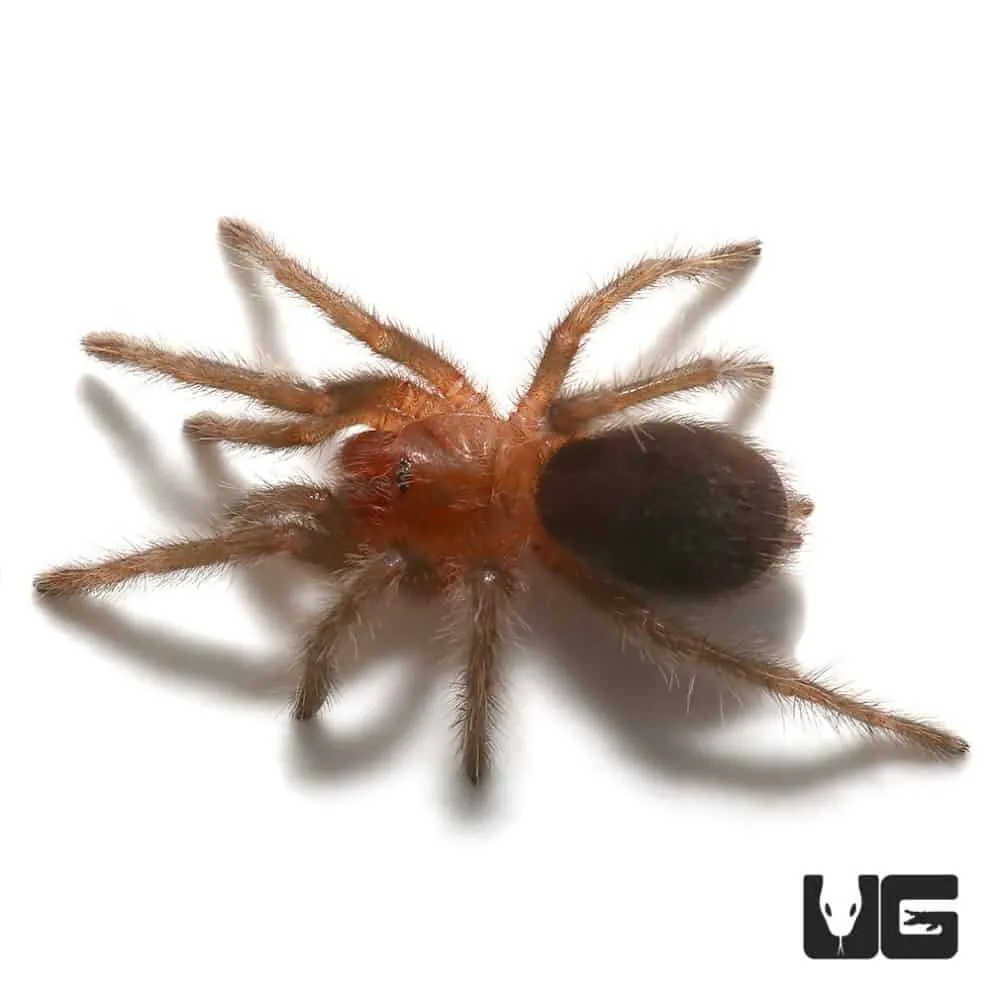
What is Burrowing Behavior?
Burrowing behavior in tarantulas, especially the Brazilian black tarantula, is a fascinating adaptation to their environment. It involves the spider excavating and creating a subterranean dwelling. These burrows serve multiple crucial functions for the tarantula, including providing shelter from predators, regulating temperature and humidity, and offering a secure place for molting. The construction of these burrows showcases the tarantula’s remarkable ability to manipulate its surroundings to meet its survival needs. This behavior is not just a passive act of finding a home; it’s an active process of creating a microhabitat that optimizes the spider’s chances of survival and reproduction. The depth and complexity of the burrows can vary depending on the species, substrate, and environmental conditions, but the fundamental purpose remains consistent across different tarantula species.
Why Do Tarantulas Burrow?
Tarantulas burrow for several compelling reasons, all of which are interconnected to their survival and well-being. The primary driver behind this behavior is the need for protection. Burrows offer a safe haven from predators, providing a secure space where the tarantula can retreat and defend itself. Beyond protection, burrows play a critical role in regulating the tarantula’s environment. The underground environment tends to be more stable in terms of temperature and humidity compared to the surface. This helps the tarantula to conserve moisture, stay cool during hot weather, and warm up when it’s cold. This climate control is vital for the spider’s health and survival, as it allows it to maintain its optimal body functions and metabolism. Finally, the burrow serves as a secure location for molting. During this vulnerable period, when the tarantula sheds its exoskeleton, the burrow provides protection from potential threats. The burrow is essentially a carefully constructed safe house.
Protection from Predators

The primary advantage of burrowing for tarantulas is the enhanced protection it offers against predators. The underground environment acts as a natural barrier, making it more difficult for predators to access the tarantula. The burrow provides a secure retreat where the tarantula can quickly hide when threatened. The narrow entrance and often complex structure of the burrow can also deter predators, as they may struggle to navigate the tight spaces. Additionally, the tarantula can use its strong chelicerae and fangs to defend the entrance of its burrow, further increasing its chances of survival. The protection offered by burrowing is particularly important for vulnerable life stages, such as molting, when the tarantula is unable to defend itself effectively.
Maintaining Ideal Climate Conditions
Burrowing is also a crucial strategy for maintaining optimal climate conditions for the Brazilian black tarantula. The underground environment offers a more stable temperature and humidity compared to the surface. This is particularly important in areas with extreme weather fluctuations. The burrow provides a buffer against both heat and cold, helping the tarantula to regulate its body temperature and conserve moisture. By creating a microclimate within the burrow, the tarantula can reduce the risk of desiccation and maintain the ideal conditions for its metabolic processes. This climate control is essential for the tarantula’s overall health, growth, and reproduction. The depth and construction of the burrow can be adapted by the tarantula to maximize its effectiveness in regulating temperature and humidity.
Creating a Safe Molting Environment
Molting is a critical but vulnerable process for tarantulas, and the burrow provides the perfect safe haven during this time. When a tarantula molts, it sheds its old exoskeleton and grows a new one. During this period, the tarantula is soft, defenseless, and highly susceptible to predators. The burrow offers a secure, enclosed space where the tarantula can molt without being exposed to threats. The controlled environment of the burrow also helps to maintain the correct humidity levels, which is vital for successful molting. The tarantula carefully prepares its burrow for molting, often sealing the entrance or reinforcing the walls to enhance its security. This highlights the burrow’s essential role in the tarantula’s life cycle, ensuring that it can grow and develop safely.
Burrowing in the Wild

In their natural habitats, Brazilian black tarantulas, along with many other species, demonstrate sophisticated burrowing behaviors. The specific details of their burrowing habits can vary depending on the environment and the specific species. These tarantulas often select locations that offer suitable soil conditions, such as areas with a mixture of soil and sand that allows for easy digging and structural stability. They might choose locations near rocks or tree roots, which can help reinforce the burrow and provide additional protection. The construction of the burrow involves the tarantula using its chelicerae to excavate the soil and its pedipalps to remove debris. The spider works diligently, creating tunnels and chambers to suit its needs. The burrow can range in complexity, with some species creating elaborate networks of tunnels, chambers, and escape routes. Understanding the burrowing behavior of tarantulas in the wild provides insight into their adaptation to their environments and their survival strategies.
Habitat and Location
The habitat and location of a tarantula’s burrow are critical factors influencing its survival. Brazilian black tarantulas, native to the rainforests of Brazil, require specific environmental conditions to thrive. They prefer habitats with high humidity and moderate temperatures. The soil composition is also a crucial factor, as they need a substrate that is easy to dig and that can hold its shape. They often choose locations with some form of overhead cover, such as under logs, rocks, or leaf litter. This provides additional protection and helps to regulate the temperature and humidity within the burrow. The tarantula will carefully assess potential burrow sites, selecting areas that offer the best combination of shelter, suitable soil, and proximity to potential prey. This demonstrates the tarantula’s adaptability and its ability to select and construct the best possible living space.
The Burrowing Process
The burrowing process is an impressive feat of engineering performed by the tarantula. Using its powerful chelicerae, the tarantula digs into the soil, breaking it down and loosening the particles. It then uses its pedipalps to move the loosened soil out of the burrow. The tarantula carefully constructs the burrow, creating tunnels and chambers that provide shelter and security. The shape and size of the burrow can vary depending on the species, the substrate, and the individual tarantula’s preferences. Some tarantulas create simple, single-chambered burrows, while others construct elaborate networks of tunnels and chambers. The tarantula may line its burrow with silk to reinforce the walls, stabilize the substrate, and create a comfortable environment. This remarkable process highlights the tarantula’s engineering capabilities and its ability to create a safe and secure home.
How Deep Do They Burrow?

The depth to which tarantulas burrow can vary significantly depending on the species, environmental conditions, and the availability of resources. Some tarantulas might dig relatively shallow burrows, just a few inches below the surface. Others, particularly those in drier climates, may dig much deeper, sometimes reaching depths of a foot or more. The depth of the burrow plays a key role in regulating the tarantula’s environment. Deeper burrows offer greater protection from temperature extremes and help to maintain optimal humidity levels. The depth also influences the tarantula’s access to prey and its ability to avoid predators. The depth of the burrow is, therefore, an important adaptation that reflects the tarantula’s need to survive and thrive in its specific habitat. The deeper the burrow, the more stable the environment is for the tarantula.
Burrowing Tarantulas vs. Other Tarantulas
While burrowing is a common behavior among many tarantula species, the specific burrowing habits can vary significantly. Some tarantulas are obligate burrowers, meaning they spend the majority of their lives underground. Other species are semi-arboreal, spending some time in burrows but also climbing and living in other environments, like trees or rock crevices. The differences in burrowing behavior can be attributed to various factors, including the tarantula’s evolutionary history, its habitat, and its hunting strategies. Species that have evolved in environments with harsh conditions, such as extreme temperatures or high predation pressure, tend to be more committed to burrowing. Some species are more inclined to create elaborate and complex burrows, while others dig simpler, shallower ones. These variations highlight the diversity and adaptability within the tarantula family.
Differences in Behavior and Habitat
The differences in burrowing behavior among tarantulas are closely related to their respective habitats. Tarantulas that live in arid or semi-arid regions are often more proficient burrowers, as the burrow provides crucial protection from the harsh climate conditions. These tarantulas may dig deeper burrows to access more stable temperatures and higher humidity levels. In contrast, tarantulas that inhabit more humid environments may have less need to burrow deeply for climate control. Their burrows may be shallower, or they may spend more time on the surface, hunting or resting. The habitat also influences the type of substrate available for digging. The soil composition, presence of rocks, and other features of the landscape can all affect the tarantula’s burrowing techniques. These habitat-related differences demonstrate the tarantula’s ability to adapt its behavior to suit its environment.
Burrowing Tarantulas 5 Interesting Facts

Fact 1 The architects
Tarantulas are master architects. They meticulously design and construct their burrows to meet their specific needs. The architecture of the burrow often reflects the tarantula’s lifestyle and its environment. The tarantula considers soil type, humidity, and potential threats when building its home. Some species reinforce their burrows with silk, making the structure stronger and more durable. The design of the burrow is a testament to the tarantula’s intelligence and adaptability.
Fact 2 The hidden hunters
Burrows provide the perfect ambush location for hunting. Tarantulas often lie in wait near the entrance to their burrows, ready to pounce on unsuspecting prey. The burrow’s design can enhance the tarantula’s hunting success, with the entrance strategically positioned to maximize visibility and capture opportunities. Tarantulas use their burrows to create a tactical advantage in their hunting strategies. This hidden approach makes them efficient hunters.
Fact 3 Survival secrets

Burrowing behavior is a fundamental survival strategy. The burrows offer protection from predators, extreme temperatures, and fluctuating humidity levels. They also serve as secure molting chambers. The burrow is a critical tool for the tarantula’s survival, ensuring its safety and enabling it to thrive in its environment. This adaptation is essential for tarantulas to survive and reproduce.
Fact 4 Climate control
Burrows create a microclimate that is crucial for the tarantula’s health and development. The underground environment tends to be more stable in terms of temperature and humidity compared to the surface. Tarantulas use their burrows to regulate their body temperature and conserve moisture, which is essential for their metabolic processes. This climate control helps the tarantulas survive even in harsh environments.
Fact 5 The molting chamber
The burrow serves as a safe haven during the molting process. During this time, the tarantula is extremely vulnerable. The burrow provides a secure, enclosed space where the tarantula can safely shed its exoskeleton. The stable conditions within the burrow, including humidity and temperature, are ideal for the successful completion of the molting process. Without this protection, the tarantula would be at extreme risk from predators and environmental dangers.