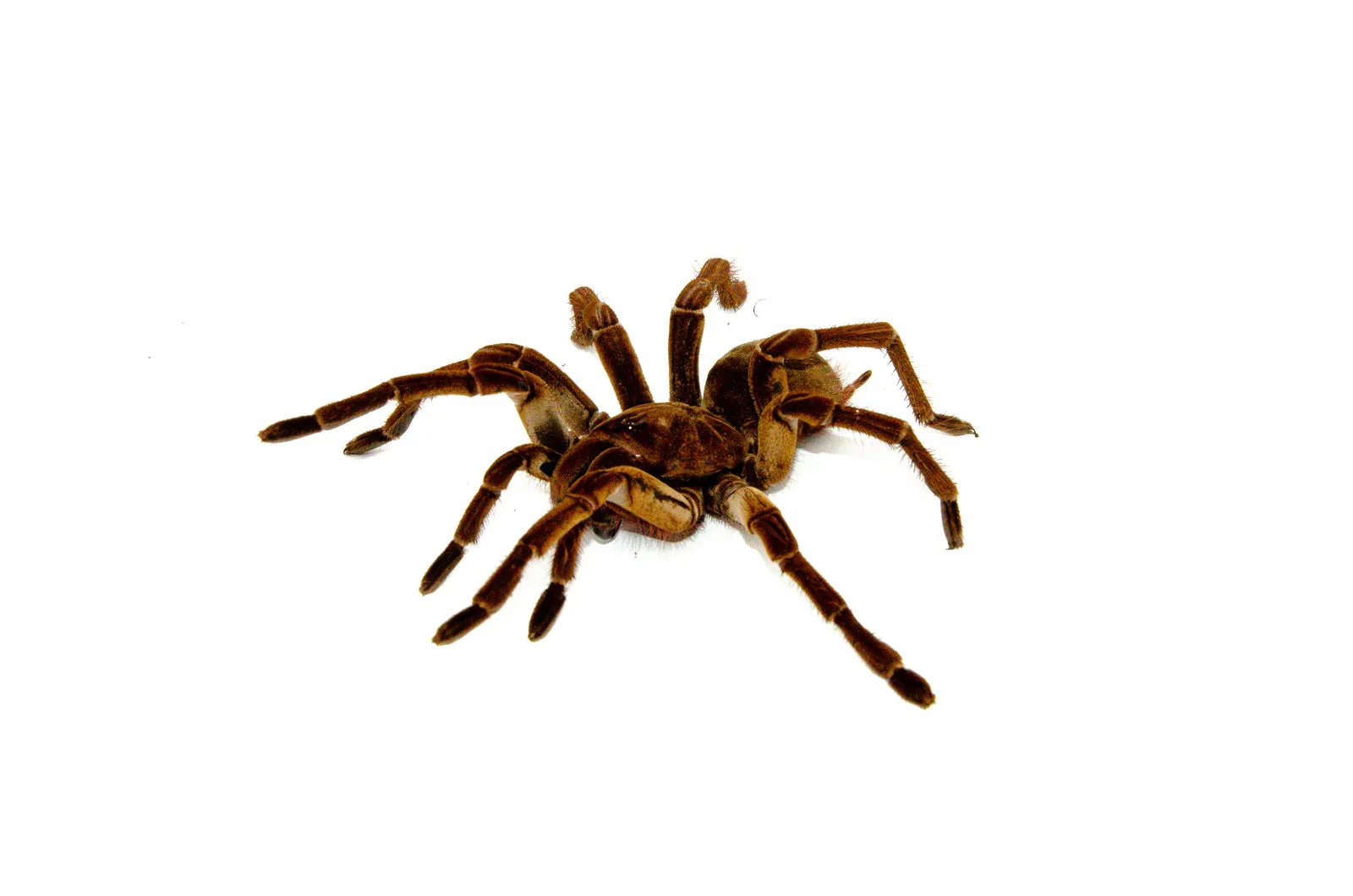
Why Buy a Giant Goliath Bird Eating Tarantula
The Goliath Bird Eating Tarantula, Theraphosa blondi, is the world’s largest spider, a fascinating creature that captivates exotic pet enthusiasts. Buying one is an exciting prospect, offering a unique opportunity to observe the behaviors of an incredible arachnid. This spider provides a captivating learning experience, teaching you about the complexities of the animal kingdom, its intricate life cycle, and the specific care these creatures require. Owning a Goliath bird eater presents an engaging hobby for those fascinated by nature and willing to commit to the responsibilities of exotic pet ownership. Their impressive size and unique characteristics make them stand out, adding a distinctive aspect to any pet collection. Their relatively docile temperament, when handled correctly, also allows for a close encounter with a truly magnificent animal. Considering these factors, the appeal of owning a Goliath bird eating tarantula becomes apparent to those looking to delve into the exotic pet world.
Understanding the Goliath Bird Eating Tarantula
To successfully buy and care for a Goliath Bird Eating Tarantula, it’s crucial to grasp its fundamental nature. These spiders are native to the rainforests of northern South America, thriving in humid, tropical environments. They are terrestrial, meaning they live on the ground, and are primarily nocturnal hunters, typically ambushing their prey. Their diet consists of insects, but in the wild, they may also consume small vertebrates, hence their name. Understanding their natural habitat and behaviors is essential for replicating their ideal living conditions in captivity. This knowledge will help in creating a suitable enclosure, providing the right temperature and humidity levels, and offering an appropriate diet to ensure the tarantula’s well-being. Learning about their life cycle, molting process, and general health indicators is equally critical for the prospective owner.
Appearance and Characteristics

The Goliath Bird Eating Tarantula is imposing in appearance. They can have a leg span that exceeds 10 inches, making them one of the largest spiders on Earth. Their body is covered in urticating hairs, which they use as a defense mechanism. These hairs can cause skin irritation upon contact. The coloration is typically a dark brown or tan, with reddish hairs on the legs and body. Males and females have some differences in appearance; for example, males generally have smaller bodies and longer legs than females. Their massive fangs are a prominent feature, used for both capturing prey and self-defense. Paying close attention to these physical attributes, such as size, color, and overall health, will provide valuable information when you buy a Goliath Bird Eating Tarantula. This will help to determine the species’ health status and age.
Habitat and Natural Behavior
In the wild, the Goliath Bird Eating Tarantula lives in burrows, often found near moist environments. They are ambush predators, waiting patiently for prey to come within striking distance. Their diet in the wild is varied, consisting of insects, other invertebrates, and sometimes small vertebrates like lizards or even small birds. These spiders are typically solitary creatures, only interacting during mating. They are not known for building elaborate webs, preferring to use their burrows for shelter and hunting. Understanding these natural behaviors informs the best practices for their care in captivity. Replicating their natural environment, including providing appropriate hiding places and a suitable diet, will ensure your Goliath Bird Eating Tarantula thrives. Careful observation of their behavior in captivity also enables the owner to understand their habits better and identify any signs of stress or illness.
Where to Buy Your Goliath Tarantula
When you decide to buy a Goliath Bird Eating Tarantula, choosing the right source is extremely important. Reputable breeders and specialty pet stores that focus on exotic animals are the best places to begin your search. Avoid purchasing from unreliable sources or places that may not prioritize the animal’s welfare. Online marketplaces can provide access to a wide range of tarantulas, but it’s important to research the seller thoroughly. Check for reviews, and verify the seller’s experience with arachnids. Local reptile and exotic pet shows can be another excellent way to find breeders and inspect the tarantulas in person before purchasing. This face-to-face interaction allows for a direct assessment of the tarantula’s health and the breeder’s knowledge.
Finding a Reputable Seller

Identifying a trustworthy seller is paramount when you want to buy a Goliath Bird Eating Tarantula. Look for breeders or stores with a strong reputation and positive reviews. Check if the seller is knowledgeable about tarantula care and is willing to answer questions and provide assistance. A reputable seller will be transparent about their practices and the origin of their spiders. Ask about the spider’s age, feeding schedule, and any known health issues. They should also provide information on the spider’s lineage and any necessary paperwork or permits. It is a good practice to visit the seller’s facility, if possible, to assess the overall health and care of their animals. This due diligence ensures that you are getting a healthy tarantula from a responsible source, increasing the likelihood of a positive pet ownership experience.
Health Checks and Quality
Before you buy a Goliath Bird Eating Tarantula, it’s essential to perform a thorough health check. Look for a tarantula that is active, alert, and shows no signs of illness or injury. Inspect the abdomen for any signs of damage, such as lesions or discoloration. The spider should have all of its legs, and its fangs should appear healthy. Ask the seller about the tarantula’s feeding habits and observe if it is eating well. Healthy tarantulas will have a plump abdomen, and their overall appearance should be robust. If you notice any signs of illness or distress, it’s best to avoid the purchase. Ensure the seller provides information about the tarantula’s molting history and any specific care requirements.
Caring for Your Goliath Bird Eating Tarantula
Caring for a Goliath Bird Eating Tarantula requires understanding its specific needs. They are relatively low-maintenance pets, but proper care is crucial for their well-being. This involves creating an appropriate habitat, providing a suitable diet, and understanding the handling and safety guidelines. Regularly monitoring the tarantula’s health and environment will allow you to identify and address any potential issues promptly. With proper care and attention, you can enjoy the rewarding experience of owning this impressive arachnid. Understanding their needs and behaviors will help you build a strong bond with your pet and make their ownership a fulfilling experience.
Creating the Right Habitat

A suitable habitat is crucial for the well-being of your Goliath Bird Eating Tarantula. A spacious enclosure is necessary, with a minimum size of 20 gallons or larger. The enclosure should have a secure lid to prevent escapes. The substrate should be a mix of peat moss, coconut fiber, and vermiculite to maintain humidity. Provide a hide, such as a piece of cork bark, for the tarantula to retreat to. The temperature should be kept between 75-85°F (24-29°C), and humidity levels should be around 75-85%. A shallow water dish should be provided for hydration, and the enclosure should be kept clean to prevent the growth of bacteria and mold. Regular misting can help maintain the humidity levels needed. The right habitat provides a safe, comfortable, and enriching environment for your Goliath Bird Eating Tarantula.
Feeding and Hydration
Feeding your Goliath Bird Eating Tarantula is straightforward. Their diet primarily consists of insects, such as crickets, roaches, and mealworms. The size of the prey should be appropriate for the tarantula; avoid feeding prey that is too large. Offer food 2-3 times per week for juveniles and 1-2 times per week for adults. Remove any uneaten prey within 24 hours to prevent stress or potential harm to the tarantula. Always provide fresh water in a shallow dish, ensuring it is always available. Proper hydration is critical for the tarantula’s health. Avoid overfeeding, and monitor the tarantula’s abdomen to ensure it is not too plump. It’s also good practice to dust the insects with a calcium and vitamin supplement to ensure the tarantula gets all necessary nutrients. Observe your spider and adjust the feeding schedule accordingly.
Handling and Safety Tips
Handling a Goliath Bird Eating Tarantula should be done with extreme caution. While they are generally not aggressive, their size and urticating hairs make them a potential hazard. It’s best to avoid handling them unless absolutely necessary. If handling is required, do so over a soft surface, like a bed or carpet, to minimize the risk of injury if the tarantula falls. Always wash your hands thoroughly before and after handling. Avoid provoking the tarantula, and be aware of their behavior at all times. If the tarantula flicks its hairs, this is a defensive action, and you should immediately back away. Children should never handle a Goliath Bird Eating Tarantula. Remember, their bites are painful, and their hairs can cause skin irritation, making safety a top priority.
Health and Common Issues

Knowing the common health issues that can affect a Goliath Bird Eating Tarantula is crucial. Dehydration can occur if the humidity is too low or if a water source is not available. Infections can develop if the enclosure is not kept clean, or from injuries sustained during molting. Parasites can also be a concern, so it is important to monitor your spider for any unusual symptoms. Other common issues include molting problems, such as the tarantula getting stuck in its old exoskeleton, which requires immediate intervention. Urticating hairs can also cause skin irritation. If you suspect your tarantula is sick or has a health issue, consult with a veterinarian experienced with exotic animals. Regular observation and preventative care, such as proper humidity and sanitation, are critical in keeping your tarantula healthy.
Breeding Goliath Bird Eating Tarantulas
Breeding Goliath Bird Eating Tarantulas is an advanced endeavor that requires experience and specialized knowledge. Successfully breeding these spiders involves understanding their mating behavior, preparing the right environment, and providing proper care for the eggs and spiderlings. This is a significant undertaking and isn’t recommended for novice keepers. It’s important to consider the complexities and ethical considerations involved.
The Breeding Process
The breeding process starts with the proper identification and preparation of the male and female tarantulas. The male is usually smaller and has modified pedipalps, used to transfer sperm to the female. The breeding process starts by introducing the male into the female’s enclosure, a process that can be risky, as the female might attack and eat the male if the male is not careful. If the female accepts the male, the mating process takes place. After mating, the female will usually lay an egg sac, which contains numerous eggs. The eggs are then incubated in the enclosure at a suitable temperature and humidity. The spiderlings emerge a few weeks later. The young spiders need to be kept in individual enclosures to prevent cannibalism. The process requires patience, expertise, and a high level of commitment.
Ethical Considerations

When considering breeding Goliath Bird Eating Tarantulas, ethical considerations come into play. Overbreeding can lead to a surplus of tarantulas, and it’s crucial to ensure that all offspring can be properly cared for. Responsible breeders plan for the care of all the spiderlings, ensuring they are placed in good homes. Breeders must also be knowledgeable about tarantula care, genetics, and the potential risks involved. They should only breed healthy, well-cared-for spiders. Careful consideration of the animal’s welfare should always be prioritized during and after the breeding process. It is important to be aware of potential risks and challenges that can arise during breeding, and to take steps to avoid any harm to the spiders involved.
Conclusion
Buying a Goliath Bird Eating Tarantula can be a rewarding experience for those passionate about exotic pets. These impressive spiders are fascinating to observe, and their unique characteristics make them stand out in any collection. Understanding their specific care requirements, including habitat, diet, and handling, is essential for their well-being. Prioritizing a healthy environment, sourcing your tarantula from a reputable seller, and handling it safely are all critical steps for success. With commitment, knowledge, and care, owning a Goliath Bird Eating Tarantula can be a truly fascinating experience. Always remember to do your research, prepare thoroughly, and be ready to provide a safe and enriching environment for your incredible arachnid. Enjoy the unique experience of having one of the world’s largest spiders as a pet!