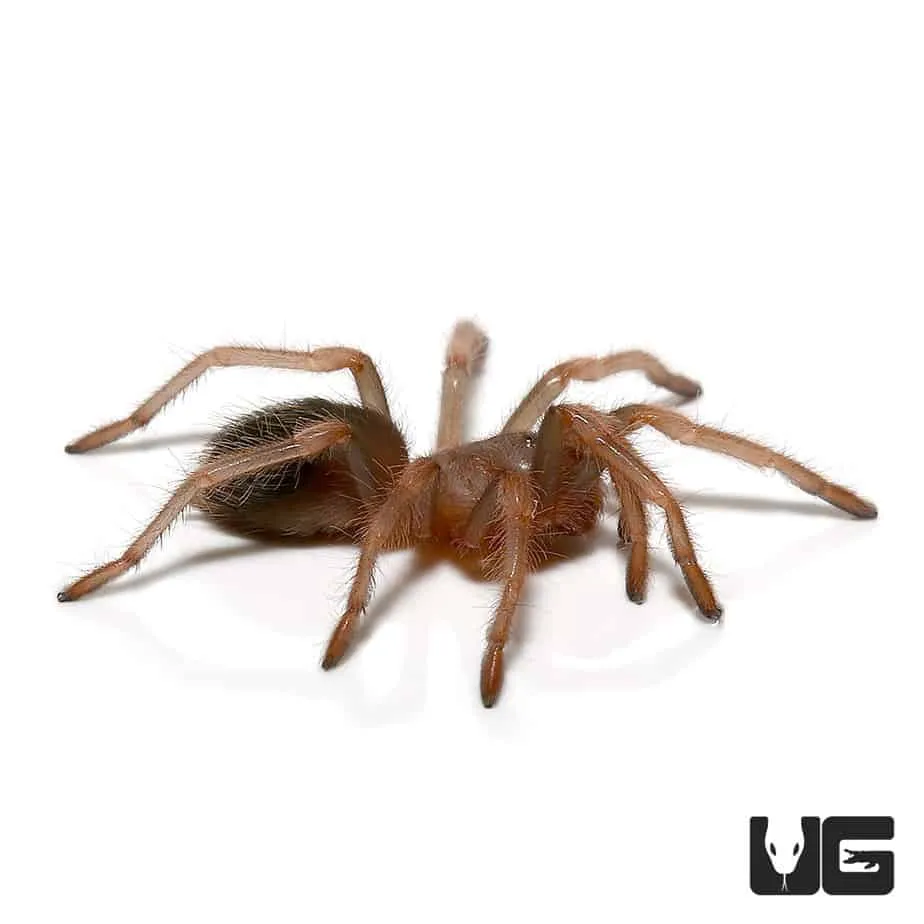
The Mexican Giant Red Knee Tarantula ( Brachypelma hamorii ) is a captivating creature, and if you’re considering bringing one into your home, you’re in for a rewarding experience. Finding a healthy tarantula from a reputable source is paramount to ensure its well-being and your enjoyment as a pet owner. This guide offers top tips to help you navigate the process, providing insights on finding the perfect tarantula for sale and ensuring you’re well-prepared for its arrival. The information here will cover everything from habitat setup and feeding to safe handling practices. By following these tips, you’ll be well on your way to becoming a responsible and happy tarantula owner.
Finding a Giant Red Knee Tarantula For Sale
The journey of acquiring a Giant Red Knee Tarantula begins with finding a trustworthy source. The pet trade is filled with options, but not all are created equal. Begin your search online. Many breeders and pet stores specialize in exotic pets, including tarantulas. Look for websites with detailed information about their tarantulas, including photos, care guides, and customer reviews. Local pet stores are another option. Visit the store in person to assess the tarantulas’ living conditions and the staff’s knowledge. Avoid purchasing from sources that appear to be irresponsible or unprofessional, as this can compromise the tarantula’s health and well-being.
Researching Reputable Breeders
A reputable breeder is key to a healthy tarantula. Research breeders thoroughly. Look for breeders who are passionate about tarantulas and can provide you with detailed information about their breeding practices and the tarantula’s lineage. Check for online reviews and testimonials. These can offer insights into the breeder’s reputation and the quality of their animals. Visit the breeder’s facility if possible, to assess the conditions in which the tarantulas are kept. This will help you ascertain the breeder’s practices and commitment to ethical animal care. A good breeder will be happy to answer your questions and offer guidance on tarantula care, showing their dedication to providing healthy tarantulas and supporting new owners.
Checking for Healthy Tarantulas

When selecting a Giant Red Knee Tarantula, assess its health carefully. Look for a tarantula that is alert and active. Avoid tarantulas that appear lethargic or unresponsive. Examine the tarantula’s abdomen. It should be plump and not shrunken or wrinkled, which could indicate dehydration or malnutrition. Inspect the tarantula’s legs and fangs for any signs of damage or abnormalities. Make sure the tarantula’s carapace (the top of its body) is intact and free from any visible injuries. It is crucial to choose a tarantula that appears healthy and well-cared for. This will significantly increase the chances of a long and healthy life for your new pet.
Appearance and Behavior
Size and Appearance of the Red Knee Tarantula
The Mexican Giant Red Knee Tarantula is known for its striking appearance. Adults can reach a leg span of up to 6 inches, making them a relatively large tarantula. Their bodies are covered in dark brown to black hairs, and they are characterized by vibrant red-orange markings on their leg joints, which is where they get their name. These colors become more pronounced with each molt, adding to their beauty. They have a robust build, which contributes to their impressive presence. When considering purchasing a tarantula, its appearance is a key factor. A healthy tarantula will have vibrant colors and a well-proportioned body.
Typical Temperament of this Tarantula

The Mexican Giant Red Knee Tarantula is generally known for its docile temperament, which makes it a popular choice for beginners. While tarantulas are not typically cuddly pets, the Red Knee is usually less defensive than other species. They may flick urticating hairs (tiny, irritating hairs) as a defense mechanism if they feel threatened, but they are generally not prone to biting. They are relatively slow-moving, which makes them easier to observe and care for. Remember that each tarantula has its own personality, so some may be more nervous than others. Handling should always be done cautiously. Observing your tarantula’s behavior and understanding its temperament is crucial for your safety and the tarantula’s well-being.
Setting up Your Tarantula’s Habitat
Choosing the Right Enclosure
A suitable enclosure is essential for the well-being of your Red Knee Tarantula. Choose a terrarium that is appropriately sized. A good rule of thumb is a terrarium that is roughly three times the tarantula’s leg span in width. Ensure the enclosure has secure ventilation and a secure lid to prevent escapes. Glass or acrylic terrariums are the most common choices, providing good visibility and ease of cleaning. Make sure the enclosure is escape-proof, as tarantulas are skilled climbers and can squeeze through small openings. Consider the adult size of the tarantula when selecting the enclosure, ensuring that it will provide enough space for the tarantula to move and thrive as it grows.
Substrate and Decor

The substrate is the base of your tarantula’s habitat and is crucial for its comfort and well-being. A good substrate should retain moisture and provide a place for the tarantula to burrow. A mixture of peat moss, coconut fiber, and vermiculite works well. The substrate should be deep enough for the tarantula to burrow, typically around 4-6 inches. Decorate the enclosure with natural elements to mimic the tarantula’s natural habitat. This could include a hide, such as a piece of cork bark or a hollow log, where the tarantula can feel secure. Add a shallow water dish and some sturdy plants, such as artificial plants. Avoid sharp or potentially hazardous decor. Ensure all decor is clean and non-toxic to provide a healthy and stimulating environment for your tarantula.
Temperature and Humidity
Maintaining the correct temperature and humidity levels is essential for your tarantula’s health. The ideal temperature range for a Red Knee Tarantula is between 75-85°F (24-29°C). Use a heat source, such as a heat mat or a ceramic heat emitter, to maintain the desired temperature. Place the heat source on the side of the enclosure, not directly under it, to prevent overheating. Humidity levels should be around 60-70%. Monitor humidity with a hygrometer. Mist the enclosure lightly with water to maintain the appropriate humidity levels, but avoid over-misting, which can lead to mold growth. Proper temperature and humidity regulation support the tarantula’s molting process and overall well-being.
Feeding and Caring for Your Tarantula
What to Feed Your Red Knee Tarantula

Feeding your Red Knee Tarantula is relatively straightforward. They are insectivores, meaning they primarily eat insects. Crickets, mealworms, and roaches are all suitable food sources. The size of the insects should be appropriate for the tarantula’s size. Generally, feed your tarantula one to two appropriately sized insects every week or two. Young tarantulas need to be fed more frequently than adults. Remove any uneaten insects after 24 hours to prevent them from bothering your tarantula. Always ensure the insects you feed your tarantula are gut-loaded (fed nutritious food) for added nutritional value. Avoid feeding wild-caught insects. These can carry parasites or pesticides, which can harm your tarantula.
Watering and Hydration
Providing fresh water is crucial for your tarantula’s hydration. Use a shallow water dish that is easily accessible and prevents drowning. Make sure to keep the water dish clean and filled with fresh water. Some tarantulas prefer to drink from droplets, so misting the enclosure periodically can also help provide hydration. Monitor the substrate, and ensure it remains slightly moist but not overly wet. Avoid letting the water dish dry out completely, as this can lead to dehydration. Clean the water dish regularly to prevent the growth of bacteria or algae, ensuring your tarantula has access to clean drinking water.
Handling Your Red Knee Tarantula Safely
Understanding Tarantula Behavior

Before handling your Red Knee Tarantula, it’s important to understand its behavior. Tarantulas are generally docile, but they can be startled or defensive. Observe your tarantula’s behavior before attempting to handle it. Signs of stress or aggression include a raised posture, flicking of urticating hairs, or a threat pose. If your tarantula shows these signs, it’s best not to handle it. Tarantulas can also be unpredictable, and their behavior can vary depending on their mood and the environment. Never handle a tarantula if you are nervous or unsure. Instead, take the time to become familiar with your pet, allowing it to become comfortable with your presence.
Avoiding Bites and Venom Injection
Handling should be kept to a minimum, and when you do handle your tarantula, do so with extreme caution. Always handle the tarantula close to the ground, in case it falls. Use gentle and deliberate movements. Avoid sudden movements or actions that could startle the tarantula. If the tarantula shows any signs of stress or aggression, immediately place it back into its enclosure. While Red Knee Tarantulas are not considered highly venomous, a bite can still be painful, and the venom can cause local reactions. Be aware of your surroundings when handling your tarantula, and avoid placing your hands near your face. Always wash your hands thoroughly after handling a tarantula.
Caring for a Giant Red Knee Tarantula can be a fulfilling experience. By finding a healthy tarantula, providing the right habitat, and understanding its needs, you can enjoy the unique experience of owning this beautiful and fascinating creature. Remember to always prioritize the tarantula’s well-being, and seek guidance from experienced keepers or breeders if you have any questions or concerns. Your dedication to responsible pet ownership will ensure a long and enjoyable journey with your Giant Red Knee Tarantula.