What are California Tarantula Spiders
California tarantula spiders are impressive arachnids that captivate many with their size and intriguing behavior. These large, hairy spiders are a common sight in various parts of California, particularly during their mating season. They belong to the Theraphosidae family, a group known for its impressive size and relatively docile nature compared to some other spider species. Understanding these spiders is crucial for anyone living in or visiting California, as it allows for a better appreciation of the local wildlife and promotes peaceful coexistence. Observing these creatures in their natural habitat is an experience, offering insights into the intricacies of the ecosystem.
Appearance and Identification of California Tarantula Spiders
Size and Physical Characteristics

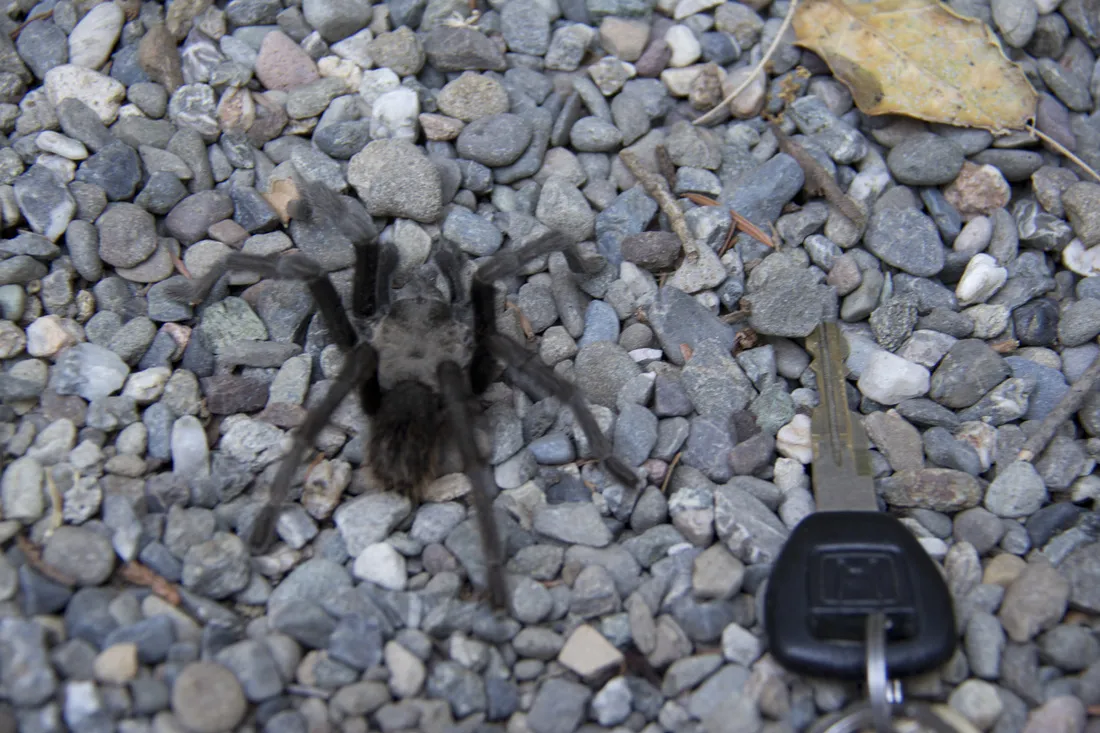
California tarantulas are among the largest spiders in North America, with a leg span that can reach up to six inches or more. Their bodies are robust and covered in dense, fine hairs, which contribute to their fuzzy appearance. They have eight eyes, although their vision is not as sharp as other predators. The spider’s cephalothorax (fused head and thorax) is clearly defined, and they have two main body parts, the abdomen and the cephalothorax. The powerful chelicerae (mouthparts) are used for grasping and injecting venom, and their pedipalps, which are small appendages near the mouth, are used for sensing and manipulating food.
Color Variations
The color of California tarantulas can vary, but they are typically brown, ranging from dark chocolate to lighter shades of tan or reddish-brown. The coloration can also depend on the species and the environment they inhabit. Some individuals may exhibit subtle patterns or markings on their bodies and legs. The color helps them to blend in with their surroundings, providing camouflage from predators and prey. This natural camouflage is essential for their survival in the wild.
Where to Find Tarantula Spiders in California
Common Habitats

California tarantulas are found in a variety of habitats throughout the state. They often make their homes in burrows in the ground, under rocks, or within the dense vegetation. They are most commonly found in grasslands, chaparral, and oak woodlands. They prefer areas with well-drained soil, which is essential for digging and maintaining their burrows. You are more likely to spot them in areas with a good insect population, as that is their primary food source. When exploring their habitats, it’s best to do so with a respect for their space.
Best Time to Observe Them
The best time to observe California tarantulas is during their mating season, which typically occurs in the late summer and fall. This is when the males are most active as they leave their burrows to search for mates. During this time, you’re more likely to see them crossing roads or wandering across open ground. The females remain in their burrows, but the males venture out, making them easier to spot. Be aware and cautious when observing these spiders. They are not aggressive, but they will defend themselves if they feel threatened.
Top 5 Fascinating Facts About California Tarantula Spiders
Fact 1 Lifespan

California tarantulas have a remarkably long lifespan. Females can live for up to 25 years or more, while males typically live for 7 to 10 years. This difference is primarily due to the males’ shorter lifespan, which is often determined by the mating season. The longevity of the females allows them to produce multiple egg sacs throughout their lives, ensuring the survival of their offspring. Their long lifespan is a testament to their ability to thrive in their environment.
Fact 2 Mating Rituals
Mating rituals in California tarantulas are fascinating. The male tarantula must approach the female cautiously, often drumming on her burrow or the ground to attract her attention. He then uses special hooks on his pedipalps to insert sperm into the female. If the female is receptive, she will allow the mating process to continue. After mating, the male will often leave quickly to avoid being eaten by the female, who may become aggressive. Mating is a crucial aspect of their life cycle.
Fact 3 Venom and Bites
While California tarantulas possess venom, their bites are generally not considered dangerous to humans. Their venom is primarily used to subdue prey, such as insects, and is not potent enough to cause severe harm to humans. A bite may cause some pain, redness, and swelling at the bite site, but it is usually not life-threatening. Tarantulas prefer to run and hide rather than bite, but handling them is not recommended, as you could provoke a defensive reaction.
Fact 4 Diet

The diet of California tarantulas mainly consists of insects, such as grasshoppers, crickets, and beetles. They are ambush predators, waiting patiently in or near their burrows for prey to come within reach. They inject venom into their prey to immobilize it, then use their chelicerae to crush and consume their meal. They also occasionally eat small lizards and other spiders. Their diet is essential to maintain their health and contribute to their survival in the wild.
Fact 5 Defensive Behaviors
When threatened, California tarantulas have several defensive behaviors. They may rear up and display their fangs in a threatening posture. They also have urticating hairs on their abdomen, which they can flick towards a perceived threat. These hairs cause irritation and itchiness if they come into contact with skin or eyes. They will usually attempt to flee and hide if possible. Understanding these behaviors helps in avoiding encounters and safely observing them in their natural environment.
Conservation Status and Threats
California tarantulas are not currently listed as endangered or threatened, but they face several threats. Habitat loss due to urbanization and agriculture is a significant concern. The use of pesticides can also affect their prey base, impacting their food supply. The pet trade, where tarantulas are collected for sale, is another potential threat, although most populations are relatively stable. Conservation efforts include habitat preservation and promoting responsible pet ownership.
How to Protect Tarantula Spiders

Protecting California tarantulas involves several steps. Supporting habitat conservation is crucial, as is advocating for the preservation of natural areas. Reducing pesticide use in gardens and surrounding areas can help to ensure a healthy food supply for the spiders. Educating others about the importance of tarantulas and their role in the ecosystem can also help to promote respect and conservation. If you encounter a tarantula, observe it from a distance and avoid disturbing it.
Conclusion
California tarantula spiders are remarkable creatures, offering a glimpse into the fascinating world of arachnids. From their impressive size and appearance to their unique behaviors and adaptations, they are a vital part of the California ecosystem. By learning more about these spiders, we can appreciate their importance and take steps to protect them for future generations. The next time you are out in nature, keep an eye out for these impressive spiders and observe them with respect and appreciation.