Cambridge Tarantula: Introduction
The Cambridge tarantula, scientifically known as Cyrtopholis cambridgei, is a captivating invertebrate that has become increasingly popular among arachnid enthusiasts. This comprehensive care guide will provide you with all the essential information needed to successfully keep and care for these fascinating creatures. From habitat setup to feeding and health, we’ll cover everything you need to know to ensure your Cambridge tarantula thrives in captivity. Whether you are a beginner or have some experience with tarantulas, this guide will offer valuable insights and practical advice to help you provide the best possible environment for your new pet. Get ready to delve into the world of these amazing spiders and learn how to appreciate their unique characteristics and behaviors.
Understanding the Cambridge Tarantula (C. cambridgei)
Before diving into care specifics, it’s crucial to understand the basics of the Cambridge tarantula. C. cambridgei is native to the Caribbean, particularly Jamaica, and is known for its relatively docile temperament compared to some other tarantula species. They are terrestrial spiders, meaning they spend most of their time on the ground rather than in trees. These spiders are ambush predators, meaning they wait for their prey to come to them. They possess urticating hairs, which they can flick off their abdomen as a defense mechanism, causing irritation to potential threats. Understanding their origin and natural behaviors will help you better replicate their needs in a captive environment, leading to a healthier and happier tarantula.
Appearance and Characteristics
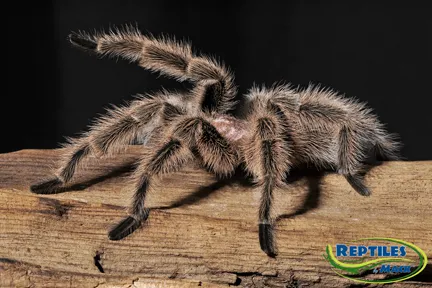
Cambridge tarantulas are typically medium-sized tarantulas, with females reaching a leg span of up to 5-6 inches, while males tend to be slightly smaller. They have a robust build and are generally dark in color, ranging from dark brown to black, with subtle variations in shades. They are covered in fine hairs, which give them a velvety appearance. Their chelicerae (mouthparts) are powerful and used for both capturing prey and defense. The overall appearance is quite striking and adds to their appeal as a pet. The pedipalps, which are small appendages near the mouth, are used for sensing their environment and manipulating food. These characteristics make the Cambridge tarantula a visually interesting and fascinating creature to observe.
Natural Habitat and Behavior
In their natural habitat, Cambridge tarantulas live in burrows or under rocks and debris, seeking shelter from the sun and predators. They are nocturnal creatures, meaning they are most active at night. They are ambush predators, waiting patiently for insects and other small animals to come within range. They are not social spiders and prefer to live solitary lives, only interacting with each other during mating. Understanding their natural behaviors is crucial for providing an appropriate enclosure. Replicating their need for seclusion, hiding places, and a stable environment will contribute significantly to their well-being and reduce stress. This knowledge will also guide you in creating the optimal conditions for your pet tarantula.
Creating the Perfect Cambridge Tarantula Habitat
Creating a suitable habitat is paramount to the health and happiness of your Cambridge tarantula. The enclosure should mimic their natural environment as closely as possible, providing a secure, comfortable, and stimulating space. A well-designed habitat not only meets their physical needs but also allows you to observe their natural behaviors. This involves selecting the right size enclosure, appropriate substrate, and maintaining the correct temperature and humidity levels. With careful planning and attention to detail, you can create an enriching environment where your tarantula can thrive, exhibit natural behaviors, and live a long, healthy life.
Enclosure Size and Type

The size of the enclosure should be appropriate for the size of your tarantula. A general rule of thumb is to provide an enclosure that is at least twice the tarantula’s leg span in length and width, and the height should allow for some substrate depth. For slings (young tarantulas), a small deli cup or a similar container is suitable, while adults will need a larger terrarium. Glass or acrylic enclosures are commonly used because they offer good visibility and are relatively easy to clean. Ensure the enclosure has a secure lid to prevent escape and adequate ventilation to maintain air quality and prevent mold growth. Consider front-opening enclosures for easier access and maintenance.
Substrate and Furnishings
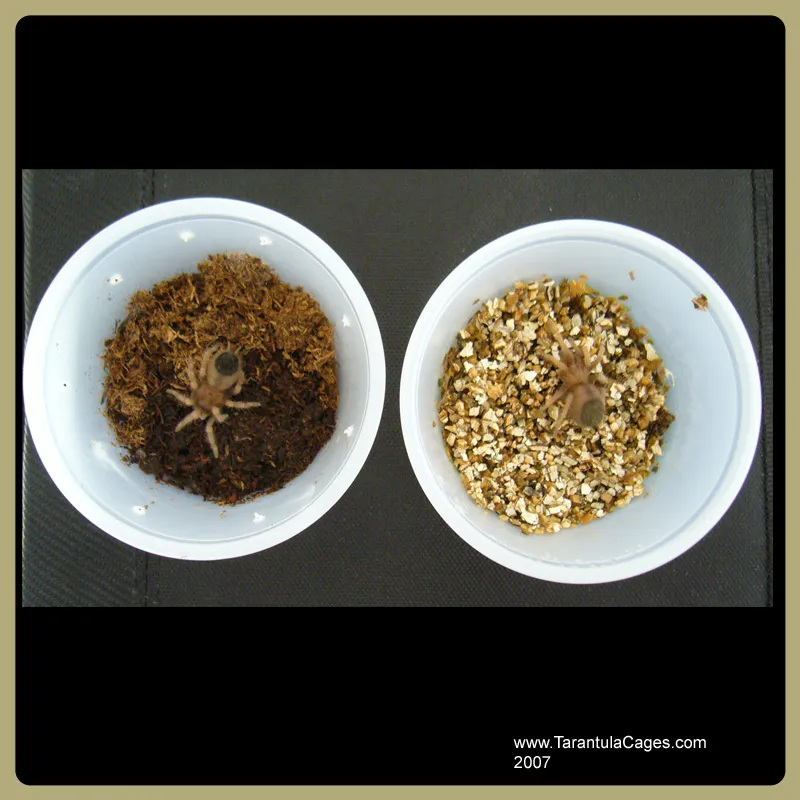
The substrate is the bedding material at the bottom of the enclosure and serves several important functions. It provides a surface for the tarantula to walk on, allows it to burrow, and helps maintain humidity levels. A good substrate for Cambridge tarantulas includes a mixture of coconut fiber (coir), peat moss, and a bit of vermiculite or sphagnum moss to retain moisture. The substrate should be deep enough to allow the tarantula to burrow if it desires. Add a hide, such as a piece of cork bark or a hollow log, to provide a secure place for the tarantula to retreat. Other furnishings, such as artificial plants or rocks, can also be added to enrich the environment, but avoid sharp objects that could injure the tarantula.
Temperature and Humidity
Maintaining the correct temperature and humidity is crucial for the health of your Cambridge tarantula. The ideal temperature range is between 75-85°F (24-29°C). You can use a heat mat or a ceramic heat emitter to maintain this temperature, but be sure to monitor the temperature with a thermometer to prevent overheating. Humidity levels should be kept around 60-70%. This can be achieved by misting the enclosure with water every few days and ensuring the substrate is slightly damp. Avoid over-misting, which can lead to mold growth. A hygrometer is useful for monitoring humidity levels. Proper temperature and humidity will aid in successful molting and overall well-being.
Feeding Your Cambridge Tarantula

Feeding your Cambridge tarantula is a straightforward process, but it’s essential to provide a balanced diet and feeding schedule to ensure it stays healthy and active. Tarantulas are opportunistic feeders, meaning they will eat almost anything that moves and they can overpower. However, providing the right food and following a consistent feeding routine can make a significant difference in the spider’s overall health and longevity. Proper feeding practices contribute to successful molting, promote growth, and help prevent nutritional deficiencies. Learning about suitable prey items, feeding frequency, and how to maintain proper hydration is key to responsible tarantula ownership.
Diet and Feeding Frequency
The primary diet for Cambridge tarantulas consists of insects, such as crickets, mealworms, and roaches. The size of the prey should be appropriate for the size of the tarantula; the prey should be no larger than the tarantula’s body. For slings, you can feed them flightless fruit flies or small crickets. Adults can be fed larger crickets or roaches. The feeding frequency depends on the tarantula’s age and metabolism. Slings should be fed two to three times a week, while juveniles and adults can be fed once a week or every other week. Observe your tarantula’s feeding behavior and adjust the frequency as needed. Remove any uneaten prey within 24 hours to prevent them from disturbing the tarantula or causing potential injury during molting.
Water and Hydration
Providing fresh water is essential for your tarantula’s hydration. Use a shallow water dish that is easily accessible. The water dish should be shallow enough to prevent the tarantula from drowning but large enough for them to drink from. For slings, a bottle cap or a shallow dish with water-soaked cotton wool can be used. Replace the water regularly to keep it fresh and clean. In addition to providing a water dish, you can mist the enclosure with water every few days to maintain humidity levels. This also provides a source of water droplets for the tarantula to drink from. Always use dechlorinated water to prevent harm to your tarantula.
Handling and Safety Precautions

Handling a Cambridge tarantula is not always necessary, and it’s generally best to avoid it unless essential. However, if you need to handle your tarantula, it’s crucial to do so with caution and respect for the animal’s well-being. Tarantulas can be skittish and may react defensively if they feel threatened. Understanding their behavior and taking appropriate safety measures will help you handle them safely and minimize any potential risks to both you and the spider. Always be mindful of the tarantula’s posture, movements, and signs of stress. Knowing when not to handle them is just as important as knowing how to handle them safely.
Handling Best Practices
If you choose to handle your Cambridge tarantula, do so over a soft surface, such as a bed or a carpet, to minimize the risk of injury if the tarantula falls. Gently encourage the tarantula to walk onto your hand by placing your hand in front of it. Avoid quick movements or sudden gestures that could startle the tarantula. Never grab or try to force the tarantula to move, as this can cause it to feel threatened and potentially bite or flick urticating hairs. Always wash your hands thoroughly before and after handling to prevent the transfer of any substances that could harm the tarantula or expose you to potential allergens. Be patient and allow the tarantula to move at its own pace.
Recognizing Signs of Stress
It’s important to recognize signs of stress in your Cambridge tarantula. These signs may include flicking urticating hairs, raising its front legs in a defensive posture, or repeatedly moving around the enclosure. Other signs could be a refusal to eat or spending a lot of time in a specific corner of the enclosure. If you notice any of these signs, it’s best to leave the tarantula alone and provide a calm environment. Minimize any disturbances, ensure the enclosure conditions are correct (temperature, humidity), and offer fresh water. If the stress persists, consult with a veterinarian or an experienced tarantula keeper for advice.
Common Health Issues and Solutions

Like any pet, Cambridge tarantulas can be susceptible to health issues. Recognizing these issues early and taking appropriate action can significantly improve their chances of recovery. Providing a clean environment, proper diet, and appropriate conditions will help prevent many health problems. However, knowing how to identify and respond to potential issues is crucial for responsible tarantula ownership. Understanding the signs of common ailments and knowing when to seek professional veterinary advice can ensure that your tarantula receives the necessary care and treatment to remain healthy and live a long, happy life.
Moulting Process and Care
Moulting is a natural process where a tarantula sheds its exoskeleton to grow. During this time, the tarantula becomes vulnerable, and it’s essential to provide a stress-free environment. Before moulting, the tarantula may stop eating and may appear lethargic. It will typically flip onto its back. Avoid disturbing the tarantula during moulting. Ensure the enclosure has sufficient humidity to assist the process. After moulting, the tarantula’s new exoskeleton will be soft. Do not feed the tarantula until its fangs have hardened, usually within a week. Provide fresh water and resume feeding once it has fully recovered. Improper molting conditions can lead to deformities or even death, so it’s important to monitor the process closely.
Identifying and Treating Diseases
Tarantulas can be affected by various health issues, including fungal infections, parasites, and injuries. Fungal infections can arise from poor ventilation and overly humid conditions. Parasites, such as mites, can infest the tarantula. Injuries can result from falls or handling. If you notice any unusual symptoms, such as loss of appetite, lethargy, discoloration, or unusual movements, consult an experienced tarantula keeper or a veterinarian specializing in exotic pets. Early diagnosis and treatment are critical for successful recovery. Maintaining a clean environment, providing proper nutrition, and observing your tarantula regularly can help prevent and manage these issues effectively.
Cambridge Tarantula: Conclusion

Caring for a Cambridge tarantula is a rewarding experience. By following this care guide, you can provide a safe, healthy, and enriching environment for your tarantula. Remember to always prioritize the well-being of your pet. Regular observation, consistent care, and a good understanding of their needs are essential for a long and fulfilling life for your Cambridge tarantula. Enjoy the unique experience of owning and observing these fascinating creatures, and be prepared to learn and adapt as you continue your journey as a tarantula keeper. With proper care, your Cambridge tarantula will thrive and become a captivating addition to your life.