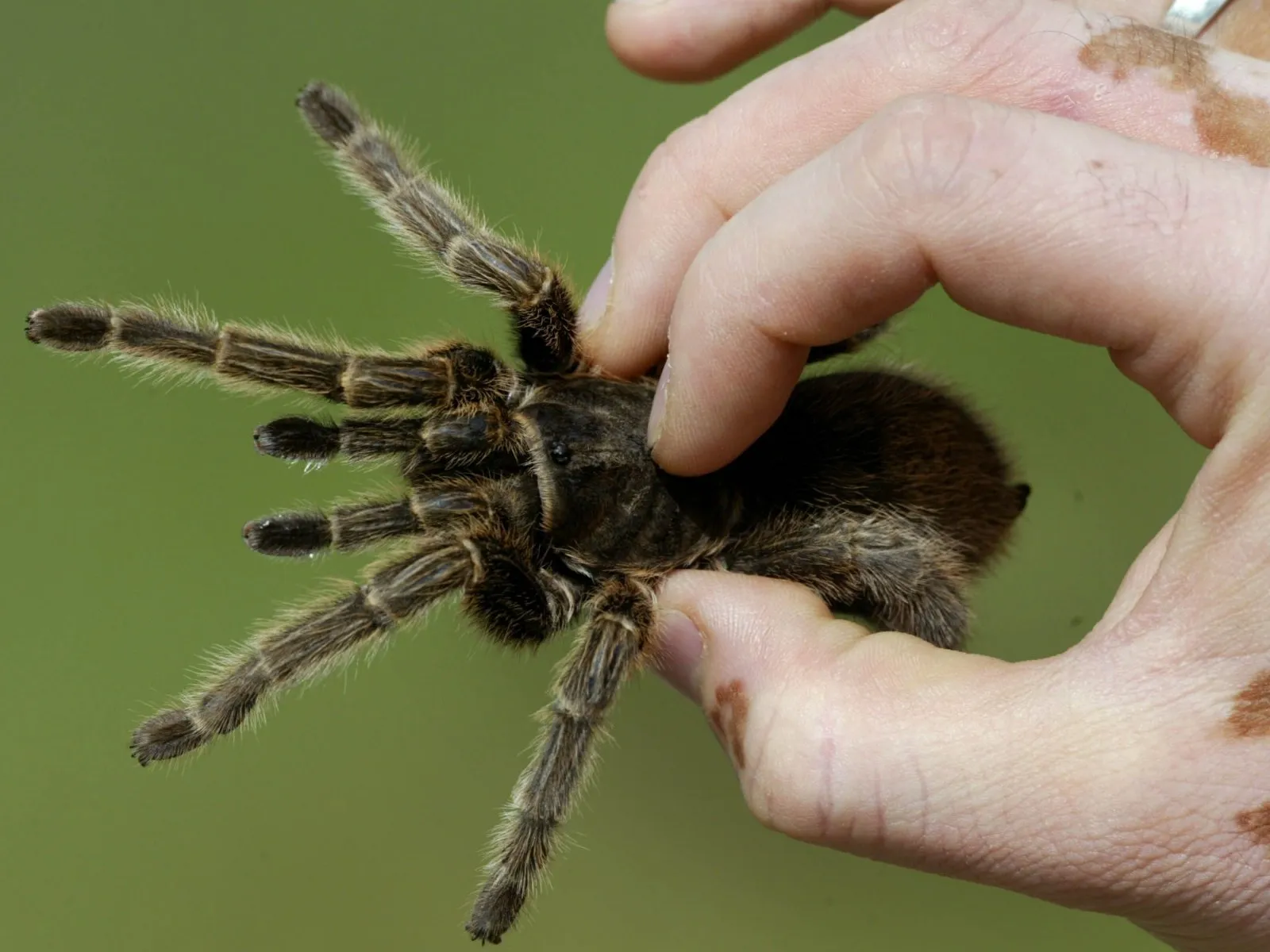
Can Tarantulas Eat Ladybugs? Overview
The question of whether a tarantula can eat ladybugs is a common one among tarantula enthusiasts and those curious about these fascinating creatures. This article delves into the dietary habits of tarantulas, explores the potential role of ladybugs in their diet, and provides insights into the factors that influence their food choices. Whether you’re a seasoned tarantula keeper or simply intrigued by the natural world, understanding the dietary needs of these spiders is crucial for their well-being and your knowledge. Ladybugs, with their bright colors and distinctive spots, are a familiar sight, but their place in a tarantula’s menu is less clear. Let’s uncover the truth behind this interesting question.
The Tarantula’s Diet
What Do Tarantulas Typically Eat?

In the wild, tarantulas are opportunistic predators, meaning they’ll eat whatever they can catch and overpower. Their diet primarily consists of insects, but it can vary depending on the species, size of the tarantula, and the availability of prey in their environment. Common food items include crickets, cockroaches, mealworms, and other invertebrates. Larger tarantula species may also consume small vertebrates, such as mice, lizards, or even small birds. The tarantula’s hunting strategy involves ambushing their prey, injecting venom to paralyze it, and then using powerful chelicerae (mouthparts) to crush and consume their meal. A balanced diet is essential to keep your tarantula healthy and thriving. Proper feeding ensures they get all the essential nutrients they need to grow, molt, and reproduce.
Are Ladybugs Part of a Tarantula’s Natural Diet?
In the wild, the chances of a tarantula encountering a ladybug and subsequently consuming it depend on several factors. Ladybugs are generally slower-moving insects, making them potential prey for larger tarantula species. However, ladybugs also possess some defense mechanisms. They can secrete a foul-tasting fluid and have aposematic coloration (warning colors) that signals to predators that they are not palatable. This combination of defenses may deter some predators, including tarantulas. While there’s no conclusive data on the frequency of ladybug consumption by tarantulas in their natural habitats, it’s possible that they might be consumed occasionally, especially if other prey is scarce and the tarantula is large enough to overcome their defenses. This depends on the tarantula species and where it lives.
Ladybugs as Prey
Ladybugs have several characteristics that make them a potentially challenging prey item for tarantulas. Their hard exoskeleton can be difficult for the tarantula to penetrate, especially for smaller tarantula species. The ladybug’s ability to secrete a noxious, bitter-tasting fluid can also deter predators. This fluid is released when the ladybug is threatened, and it’s meant to make the predator release it. The bright colors of the ladybug are a warning sign to predators to stay away because they are not good to eat, and they can be dangerous. Despite these defenses, larger, more aggressive tarantulas might still attempt to consume ladybugs, particularly if they are hungry or if other food sources are limited.
Do Tarantulas Eat Ladybugs?

The answer to whether tarantulas eat ladybugs is nuanced. While some tarantulas might eat ladybugs, it’s not a common occurrence. It depends on the circumstances, including the size and species of the tarantula, the availability of other prey, and the tarantula’s individual preferences. If a tarantula is particularly hungry or if other, more desirable prey is scarce, it might be more inclined to attempt to consume a ladybug. It’s also worth noting that the specific species of tarantula can play a role. Some tarantula species are more aggressive and have a stronger hunting instinct than others. Therefore, they might be more likely to attack and potentially consume a ladybug.
Factors Influencing Tarantula’s Food Choices
Several factors influence a tarantula’s food choices. Understanding these factors can help you provide the best possible care for your tarantula. The size and age of the tarantula play a significant role. Younger tarantulas, or spiderlings, have smaller appetites and require smaller prey items, such as pinhead crickets or fruit flies. As they grow, their appetite increases, and they can consume larger prey. The availability of prey in their environment also influences their choices. If their preferred food sources are scarce, they might be more willing to consume alternative prey items, such as ladybugs. The tarantula’s individual preferences and experience also come into play. Some tarantulas might have a preference for certain types of prey, while others might be more adventurous eaters.
Tarantula Size and Appetite
The size of a tarantula directly impacts its appetite. Smaller tarantulas require smaller prey, typically insects that are about the same size as their body or slightly smaller. They need to be able to handle and consume the prey without difficulty. As tarantulas grow, their appetite increases, and they can consume larger prey items. Adult tarantulas can eat relatively large meals, sometimes up to the size of a small mouse. The frequency of feeding also changes with size; younger tarantulas may need to be fed more often than adults. The size of the tarantula also influences the type of prey it can effectively hunt and subdue, with larger tarantulas being able to tackle more challenging prey.
Availability of Ladybugs

The local availability of ladybugs can also impact whether a tarantula will consider them as a food source. In regions or environments where ladybugs are abundant, a tarantula may be more likely to encounter them. However, the presence of ladybugs alone doesn’t guarantee they’ll be eaten. Other factors, like the ladybug’s defenses and the tarantula’s preference, will still play a role. If the tarantula’s usual food sources are scarce, the presence of ladybugs might make them a more appealing option. The availability of ladybugs can therefore influence the overall diet composition in some cases, but it’s not typically a primary factor in the average tarantula’s diet.
Nutritional Considerations for Tarantulas
Providing a balanced diet is crucial for the health and well-being of a pet tarantula. Tarantulas require a diet that provides essential nutrients, including protein, fats, and other vitamins and minerals. The specific nutritional needs can vary slightly depending on the species and life stage of the tarantula. A diet that is too high in certain nutrients or too low in others can lead to health problems. It’s important to provide a variety of prey items to ensure a balanced intake of nutrients. Supplementing the diet with calcium and vitamins might be necessary, especially for rapidly growing or breeding tarantulas. The right diet ensures strong growth and successful molting, which are important parts of a tarantula’s life cycle.
The Benefits of Ladybugs
While not a primary food source, ladybugs could potentially offer some nutritional value to a tarantula. They contain protein and chitin, a structural carbohydrate. If a tarantula consumes a ladybug, it could provide a small amount of these nutrients. However, the nutritional content of ladybugs has not been extensively studied for tarantulas. The amount of nutrients provided would likely be relatively small compared to a standard diet of crickets or cockroaches. Additionally, the presence of defensive chemicals in ladybugs might reduce their overall appeal as a food source. More research would be needed to determine the specific nutritional benefits of ladybugs in a tarantula’s diet.
Potential Risks of Feeding Ladybugs

Feeding ladybugs to tarantulas carries several potential risks. The primary concern is the ladybug’s defense mechanism – the release of a foul-tasting and potentially toxic fluid. This fluid can deter the tarantula from consuming the ladybug, or it might irritate the spider’s mouthparts or digestive system. The ladybug’s exoskeleton can be difficult for the tarantula to penetrate, and the spider might not be able to effectively crush and eat the ladybug. Also, there is a risk that the ladybug may carry parasites or diseases that could be harmful to the tarantula. Therefore, it’s important to carefully consider these risks before introducing ladybugs into a tarantula’s diet.
How to Safely Feed Ladybugs to Tarantulas
If you decide to offer ladybugs to your tarantula, it’s important to proceed with caution. This should not be a regular part of their diet but more of a treat or a chance to add some variety. Always start with a small number of ladybugs and carefully observe your tarantula’s reaction. Monitor your tarantula for any signs of distress or refusal to eat the ladybugs. The key is to prioritize the tarantula’s health and well-being. The safety of the tarantula is the most important factor to take into consideration when providing any new food source. Consider that the ladybugs can be a potential source of diseases or other parasites.
Sourcing Ladybugs
If you plan to feed ladybugs to your tarantula, it’s important to source them responsibly. Avoid collecting ladybugs from areas where pesticides or other chemicals might be used, as these can be harmful to your tarantula. You can sometimes purchase ladybugs from reputable pet stores or online suppliers specializing in feeder insects. Make sure the source is reliable and the ladybugs are healthy and free from parasites. Avoid collecting them from your garden, as you cannot be certain about the potential exposure to harmful substances. Inspect the ladybugs carefully before feeding them to your tarantula to ensure they appear healthy and active.
Preparing Ladybugs for Feeding

Before feeding ladybugs to your tarantula, it’s important to prepare them properly. This involves ensuring they are clean and free from any potential contaminants. If you’ve sourced the ladybugs yourself, consider rinsing them gently with water to remove any dirt or debris. Observe the ladybugs for any signs of illness or injury. Remove any that appear unhealthy, as they could potentially introduce diseases to your tarantula. The idea is to provide a safe and healthy meal for your spider. Always offer ladybugs in moderation. Also, if the tarantula does not appear to be interested, remove the uneaten ladybugs to prevent them from stressing the spider.
Observation and Monitoring
After feeding your tarantula ladybugs, careful observation is essential. Monitor your tarantula for any adverse reactions, such as refusing to eat, regurgitating, or showing signs of illness. Observe the tarantula’s behavior closely. Watch for any unusual activity, such as lethargy or lack of coordination, which could indicate a problem. If you observe any unusual behavior, remove the ladybugs immediately. If the tarantula shows signs of illness, consult a veterinarian specializing in exotic animals. Tracking your spider’s behavior is a key element of responsible tarantula care. If all goes well, the tarantula may eat the ladybug, but if not, you can remove it and continue with the usual feeding routine.
Conclusion
So, can tarantulas eat ladybugs? The answer is yes, but it’s not a common occurrence, and caution is advised. While some tarantulas might consume ladybugs under certain circumstances, factors like the ladybug’s defenses, the tarantula’s preference, and potential risks need to be considered. Providing a balanced diet is key to a tarantula’s health, and ladybugs should be considered an occasional treat rather than a staple. Understanding the dietary needs of your tarantula and being mindful of the potential risks involved will help you provide the best care possible. Ultimately, by understanding their diet and being careful, you can ensure a healthy and happy tarantula.