Understanding the Dominican Blue Leg Tarantula
The Dominican Blue Leg Tarantula ( Cyrtopholis portoricensis ) is a captivating species within the tarantula family, admired for its striking appearance and relatively manageable care requirements. Native to the Caribbean islands, this tarantula presents a fascinating opportunity for hobbyists. This care sheet provides comprehensive guidance to ensure the well-being of your Dominican Blue Leg Tarantula. It covers crucial aspects such as habitat setup, feeding, molting, and health, empowering you to provide a thriving environment for your fascinating pet. Understanding the needs of this species is key to successful tarantula keeping, and this guide aims to equip you with the knowledge you need to do just that.
Origin and Habitat
Dominican Blue Leg Tarantulas are primarily found in the Dominican Republic and Puerto Rico, where they inhabit various environments, including tropical forests and scrublands. In their natural habitat, they construct burrows, often under rocks or in the soil. This species is terrestrial, meaning it spends most of its time on the ground. Replicating this natural environment is crucial for the tarantula’s health and well-being in captivity. Providing the right substrate and hiding places will help your tarantula feel secure and thrive.
Physical Characteristics

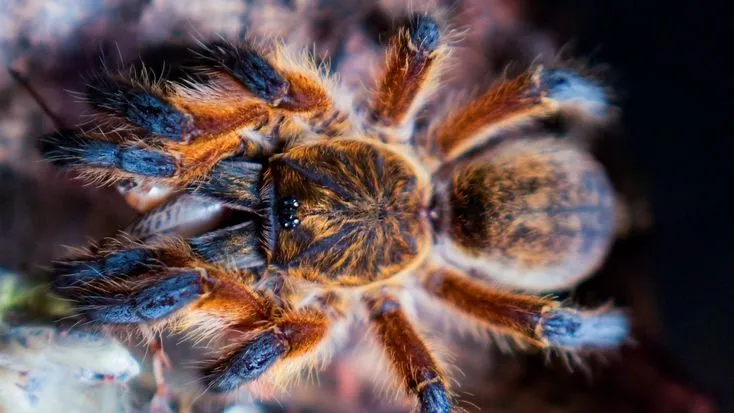
The Dominican Blue Leg Tarantula is known for its distinctive appearance. They typically have a dark brown or black body, contrasted by vibrant blue coloration on their legs, especially noticeable in juveniles and some adults. The size varies, with females generally growing larger than males. Females can reach a leg span of up to 5-6 inches, while males are usually smaller. Their overall appearance is quite striking, making them a visually appealing pet for tarantula enthusiasts. Observing the color and size helps in identification and understanding the tarantula’s growth stage.
Setting Up the Perfect Habitat
Creating a suitable habitat is paramount to the well-being of your Dominican Blue Leg Tarantula. The enclosure must provide a safe, comfortable environment that mimics their natural habitat. Proper setup involves careful consideration of size, substrate, temperature, and humidity. A well-designed enclosure not only ensures the tarantula’s physical health but also supports its psychological well-being, allowing it to exhibit natural behaviors. Investing time and effort in setting up the enclosure correctly is a key step toward successful tarantula keeping.
Enclosure Size and Type
The size of the enclosure should be proportional to the size of your tarantula. A general guideline is to provide an enclosure that is at least twice the tarantula’s leg span in width and length. For juveniles, a smaller deli cup or a terrestrial enclosure of approximately 10x10x8 inches is suitable. As the tarantula grows, you will need to upgrade to a larger enclosure, such as a 10-gallon or 20-gallon terrarium. Ensure the enclosure has a secure lid to prevent escape. Proper ventilation is also essential to prevent the build-up of humidity and mold, ensuring the air circulates freely and the tarantula stays healthy.
Substrate Selection

The substrate is the foundation of your tarantula’s habitat, serving multiple purposes, including providing a comfortable surface for burrowing, maintaining humidity, and absorbing waste. A good substrate mix includes a combination of peat moss, coconut fiber (coir), and a small amount of vermiculite or sphagnum moss. The substrate should be deep enough for the tarantula to burrow, generally 4-6 inches deep. Avoid using substrates like sand or gravel, as they do not retain humidity well and can be harmful to the tarantula. Regular misting of the substrate helps maintain the correct humidity levels. Consider adding a hide, such as a cork bark, to provide a secure place for the tarantula to retreat.
Temperature and Humidity
Maintaining the correct temperature and humidity levels is crucial for the health of your Dominican Blue Leg Tarantula. The ideal temperature range is between 75-85°F (24-29°C). You can use a heat mat placed on the side of the enclosure (never underneath, as this can overheat the substrate and harm the tarantula) or a low-wattage heat lamp to maintain this temperature. Humidity should be kept between 65-75%. You can monitor the humidity with a hygrometer. Mist the enclosure lightly with dechlorinated water every few days to maintain humidity. Proper ventilation is also essential to prevent mold growth.
Essential Feeding Guidelines
Feeding your Dominican Blue Leg Tarantula is a straightforward process, but it is essential to follow appropriate guidelines to ensure the tarantula receives adequate nutrition and maintains its health. The type and frequency of food offered directly affect the tarantula’s growth and well-being. Understanding their dietary needs and providing the right balance will contribute to a happy, healthy tarantula. Always handle prey items with care, and observe your tarantula’s behavior during feeding.
Prey Selection

The primary food source for Dominican Blue Leg Tarantulas should consist of live insects. Suitable prey items include crickets, dubia roaches, mealworms, and even small, pre-killed pinky mice for larger specimens. It’s essential to ensure the prey is gut-loaded (fed nutritious food) before offering it to the tarantula. Gut-loading helps to provide the tarantula with essential nutrients. Always remove uneaten prey within 24 hours to prevent stress on the tarantula and potential injury. The size of the prey should be appropriate to the tarantula’s size—generally, the prey should be no larger than the tarantula’s body.
Feeding Frequency
The feeding frequency depends on the tarantula’s age and size. Spiderlings (young tarantulas) should be fed every 2-3 days, while juveniles can be fed every 3-5 days. Adult tarantulas can be fed once a week or every two weeks. Observe the tarantula’s abdomen; if it appears plump, the tarantula is well-fed. It’s also common for tarantulas to refuse food before molting. Always offer fresh, clean water in a shallow dish, and remove any uneaten prey to prevent stress or potential injury to the tarantula.
Water and Hydration
Providing fresh water is crucial for your Dominican Blue Leg Tarantula’s survival. Always offer clean, dechlorinated water in a shallow dish that the tarantula can easily access. The water dish should be small enough to prevent the tarantula from drowning. Regularly check the water dish and refill it as needed, especially after feeding. In addition to a water dish, misting the enclosure can help maintain humidity and provide an alternative source of hydration. Ensure the water is fresh and free of contaminants to keep your tarantula healthy and hydrated.
Molting and Growth
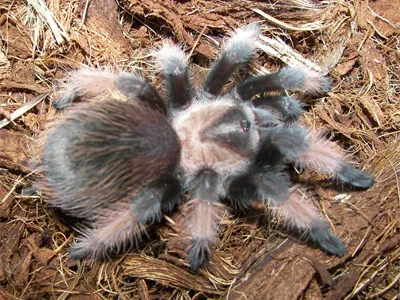
Molting is a natural process for tarantulas where they shed their exoskeleton to grow. During molting, the tarantula is vulnerable. Understanding the molting process and how to care for your tarantula during this period is vital. This knowledge will ensure the tarantula’s safety and contribute to its overall health. The frequency of molting decreases as the tarantula ages. A healthy, well-cared-for tarantula will molt regularly, indicating successful growth and development.
Recognizing Signs of Molting
Before molting, tarantulas often exhibit specific behaviors. They may stop eating for several days or weeks, become less active, and may appear dull in color. The abdomen may darken, and the tarantula may spend more time on its back. It is crucial to avoid disturbing the tarantula during this vulnerable period. Providing a stable environment, maintaining proper humidity, and avoiding sudden changes will help the tarantula during the molting process. Never attempt to assist the tarantula with molting, as this can cause serious injury or death.
Post-Molting Care
After molting, the tarantula’s exoskeleton is soft, and it needs time to harden. Avoid feeding the tarantula for a few days after molting to allow the fangs and exoskeleton to harden. Provide plenty of fresh water. Once the tarantula’s fangs have hardened, you can resume feeding. The tarantula’s colors will become more vibrant after molting. Be patient and observe the tarantula’s behavior, ensuring it has fully recovered before resuming normal handling routines. This recovery period is crucial for their health.
Common Health Issues and Prevention

While Dominican Blue Leg Tarantulas are relatively hardy, they can be susceptible to certain health issues. Being aware of these potential problems and knowing how to prevent them is essential to responsible pet ownership. Proactive care and a keen eye for unusual behavior are key to ensuring the health and longevity of your tarantula. Regular observation and maintaining an optimal environment can significantly reduce the risk of health problems.
Parasites and Diseases
Common health issues in tarantulas include mites, fungal infections, and bacterial infections. Mites can infest the tarantula and its enclosure, feeding on the tarantula and causing irritation. Fungal infections often result from high humidity and poor ventilation. Bacterial infections can occur from contaminated food or substrate. Preventing these issues involves maintaining proper hygiene, ensuring good ventilation, and using clean, high-quality substrate and prey. Regularly inspect the tarantula and enclosure for signs of mites or other abnormalities. If you suspect a health issue, consult with a veterinarian experienced with invertebrates.
Handling and Safety
Handling a Dominican Blue Leg Tarantula should be approached with caution and respect. While they are not generally aggressive, they can bite if they feel threatened. Always prioritize the tarantula’s safety and well-being. Understanding their behavior and potential risks will make the handling experience safer for both you and the tarantula. Avoid handling the tarantula unless necessary and always be prepared for the possibility of a bite or defensive behavior.
Handling Precautions

If you need to handle your tarantula, do so with care. Avoid sudden movements, which could startle the tarantula. Handle the tarantula close to the ground or a soft surface, in case it falls. Always wash your hands thoroughly before and after handling, and avoid using scented soaps or lotions. The venom of the Dominican Blue Leg Tarantula is not considered medically significant to humans, but a bite can still be painful. If bitten, clean the area with soap and water. Always supervise children when they are near the tarantula, and educate them about the importance of respecting the animal.
Conclusion
Caring for a Dominican Blue Leg Tarantula can be a rewarding experience. By following this care sheet and providing the proper environment, feeding, and care, you can ensure your tarantula thrives. Regular observation and a commitment to learning will help you to enjoy your pet and provide a healthy and fulfilling life for your Dominican Blue Leg Tarantula. Remember that patience and attentiveness are crucial for the well-being of these fascinating creatures.