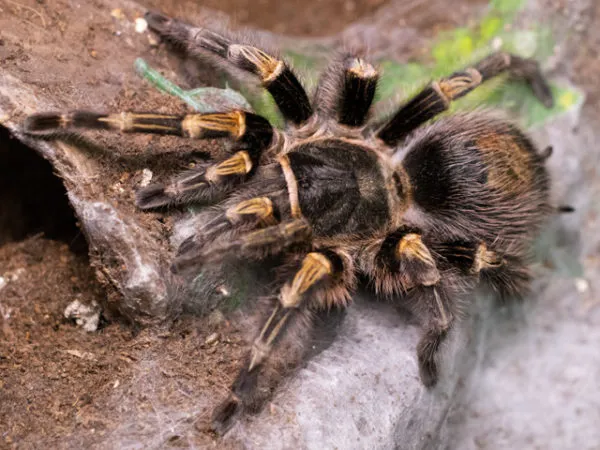
The Chaco Golden Knee tarantula (Grammostola pulchripes) is a popular and relatively docile species, making it a great choice for both novice and experienced tarantula keepers. A crucial aspect of successfully keeping this fascinating creature is providing a suitable enclosure. This guide provides the top 5 tips for setting up the perfect Chaco Golden Knee tarantula enclosure, ensuring your pet’s health, happiness, and longevity. From choosing the right size to managing humidity, we’ll cover everything you need to know to create a thriving habitat for your Chaco Golden Knee.
Choosing the Right Chaco Golden Knee Tarantula Enclosure
Selecting the appropriate enclosure is the first and perhaps most important step. The right enclosure provides a safe and secure environment for your tarantula. Consider the size of your tarantula and its growth stage when making your choice. A juvenile tarantula will require a smaller enclosure than a fully grown adult. Ensure the enclosure has a secure lid to prevent escapes and adequate ventilation to maintain air quality. It is recommended to choose an enclosure that opens from the top or front for easier access and maintenance. Material choice plays a crucial role in the long term health of your tarantula, so read on to find the best fit.
Size Matters Assessing Your Tarantula’s Needs
The size of the enclosure directly impacts your tarantula’s well-being. A space that is too large can make the tarantula feel insecure, while a cramped space restricts movement and can make it difficult to maintain proper temperature and humidity levels. Always start with an enclosure that is appropriately sized for the tarantula’s current size, allowing for growth. Overestimating the size can lead to problems with feeding and finding the tarantula, especially in the early stages. Consider the tarantula’s leg span when determining the ideal enclosure size. The enclosure should be roughly twice the tarantula’s leg span in length and width, and the height should be sufficient to accommodate substrate and decor, but not too high to allow for falls.
Optimal Enclosure Size for a Chaco Golden Knee

For a juvenile Chaco Golden Knee, a container roughly 6x6x6 inches or a bit larger can be ideal. As the tarantula grows, you’ll need to upgrade. A fully grown adult Chaco Golden Knee may require an enclosure that is approximately 12x12x12 inches or larger. Some keepers use even larger enclosures, but ensure it isn’t so large that the tarantula feels exposed. Always provide enough horizontal space for the tarantula to roam and establish its territory. Remember that a tarantula will spend most of its time on the ground, so horizontal dimensions are more critical than vertical.
Glass or Plastic Which Enclosure Material is Best
Both glass and plastic enclosures have their advantages and disadvantages. Glass enclosures offer excellent visibility and are generally more durable and resistant to scratches. They also tend to retain heat better, which can be beneficial in colder environments. However, they can be heavier and more expensive. Plastic enclosures are typically lighter, more affordable, and come in a wider variety of sizes and shapes. They are also generally more resistant to breakage. Ensure the plastic is transparent to allow for easy viewing of your tarantula. Consider the ventilation capabilities and the ease of cleaning when making your decision. Look for enclosures with secure lids to prevent escapes and adequate ventilation to promote air circulation.
Creating the Perfect Substrate for your Chaco Golden Knee
The substrate is the base of your tarantula’s enclosure and serves multiple purposes. It provides a surface for the tarantula to walk on, allows it to burrow, helps to maintain humidity levels, and creates a more natural environment. Choosing the right substrate is essential for your Chaco Golden Knee’s health and well-being. The substrate should be non-toxic, hold moisture, and allow the tarantula to create burrows if it desires. A good substrate also helps in waste management and the overall cleanliness of the enclosure. Regularly check and replace the substrate to prevent the build-up of mold, bacteria, and other harmful organisms. Remember to consider the tarantula’s preferences and natural behaviors when selecting the appropriate substrate.
Importance of Substrate in Enclosure
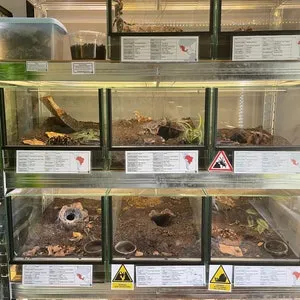
The substrate plays a crucial role in the well-being of your Chaco Golden Knee. It helps to maintain the humidity levels, which are critical for the tarantula’s health. A dry environment can lead to molting problems and dehydration. The substrate also allows the tarantula to burrow, providing a sense of security and natural behavior enrichment. Moreover, the substrate absorbs waste, helping to keep the enclosure clean and reducing the risk of bacterial or fungal growth. A well-chosen substrate can contribute significantly to the health, happiness, and overall longevity of your tarantula.
Best Substrate Types for Chaco Golden Knee
A good substrate for a Chaco Golden Knee typically includes a mixture that retains moisture and allows for burrowing. A popular and effective choice is a mix of coco fiber, peat moss, and a small amount of vermiculite or sphagnum moss. Coco fiber is excellent at retaining moisture and providing a good burrowing medium. Peat moss adds to moisture retention and helps to maintain the acidity that tarantulas often prefer. Vermiculite and sphagnum moss help to regulate humidity levels. Avoid using substrates that are dusty, toxic, or can cause injury to the tarantula, such as sand or wood shavings. Always ensure the substrate is clean and free of pesticides or other harmful chemicals.
Humidity and Temperature Control
Maintaining the correct humidity and temperature levels is critical for your Chaco Golden Knee tarantula’s health. These factors affect its ability to molt properly, stay hydrated, and digest food. Too much or too little humidity or an unsuitable temperature can lead to health problems, including dehydration, molting issues, and even death. Regularly monitor the temperature and humidity levels using a reliable thermometer and hygrometer. Adjust the setup as needed to maintain optimal conditions for your tarantula. Ventilation also plays a significant role in managing humidity and preventing mold growth.
Maintaining Optimal Humidity Levels

Chaco Golden Knees thrive in a moderate humidity environment. Aim for a humidity level of around 60-70%. You can achieve this by regularly misting the enclosure with dechlorinated water, especially the substrate. The frequency of misting will depend on your local climate and the ventilation of the enclosure. Ensure that the substrate remains moist but not waterlogged, as excessive moisture can lead to mold growth. Proper ventilation is essential to prevent the build-up of condensation and stagnant air. You can also use a water dish to help maintain humidity, ensuring it’s always filled with fresh, clean water.
Temperature Requirements for a Healthy Tarantula
The ideal temperature range for a Chaco Golden Knee tarantula is between 75-85°F (24-29°C). Maintain a stable temperature within this range to promote its health and well-being. Avoid placing the enclosure in direct sunlight, as this can cause the temperature to rise to dangerous levels. In cooler climates, you may need to use a heat mat or ceramic heat emitter to maintain the correct temperature. Place the heat source on the side of the enclosure rather than underneath to prevent the substrate from drying out too quickly. Regularly monitor the temperature using a thermometer and adjust the heating accordingly. Avoid using heat lamps, which can dry out the enclosure too much.
Essential Enclosure Decor and Furnishings
Providing appropriate decor and furnishings enhances your Chaco Golden Knee’s enclosure and enriches its environment. These elements offer the tarantula hiding places, climbing surfaces, and a more natural habitat. The decor should be safe, non-toxic, and chosen with the tarantula’s well-being in mind. Avoid sharp objects that could injure your pet. Consider the tarantula’s behavior and preferences when selecting and arranging the decor, ensuring it has opportunities to explore and express natural behaviors. This will improve the overall quality of life for your pet.
Providing Hiding Places and Enrichment

Chaco Golden Knees, like most tarantulas, are naturally shy and benefit from having hiding places in their enclosure. These provide security and reduce stress. Provide a hide, such as a piece of cork bark, a half-log, or an artificial cave. Ensure the hide is appropriately sized for the tarantula. Other enrichment items include artificial plants, which offer places to climb, and branches. Arrange the decor to provide a varied environment, allowing the tarantula to explore different areas of the enclosure. Avoid overcrowding the enclosure, as this can stress the tarantula. Keep the decor clean and free of mold or mildew.
Water and Feeding Considerations
Providing fresh water and appropriate food is essential for your Chaco Golden Knee’s health. They need a constant supply of clean water and a balanced diet of insects to thrive. Always ensure the water dish is filled with clean water and the food you offer is nutritious and safe. Consider the size and age of your tarantula when determining the frequency and quantity of feeding. A well-fed tarantula is more likely to be healthy and exhibit its natural behaviors. Always remove uneaten food to prevent mold and maintain a healthy environment.
Water Dish and Hydration
A water dish is a necessity for your Chaco Golden Knee tarantula. The dish provides a constant supply of fresh water, which is crucial for hydration, particularly in a drier environment. Use a shallow, stable dish that the tarantula cannot easily tip over. Ensure the water is clean and free of any additives or contaminants. Replace the water every day or every other day to prevent the build-up of bacteria and algae. The size of the water dish should be appropriate for the size of the tarantula. For a juvenile, a bottle cap or small dish may be sufficient, while an adult will need a larger dish.
Feeding Guidelines for your Chaco Golden Knee

Chaco Golden Knees are opportunistic feeders, typically eating insects such as crickets, roaches, and mealworms. The frequency of feeding depends on the tarantula’s age and size. A juvenile tarantula may need to be fed two to three times a week, while an adult can be fed once or twice a week. Offer appropriately sized prey; the insect should be no larger than the tarantula’s body. Remove any uneaten food within 24 hours to prevent the build-up of waste and potential mold growth. Avoid overfeeding, which can lead to health problems. Offer a varied diet to ensure your tarantula receives all the necessary nutrients. Feed your tarantula with live insects that are properly gut-loaded for better nutrition.
Following these top 5 tips will help you create the ideal Chaco Golden Knee tarantula enclosure. By focusing on the right enclosure size, the proper substrate, appropriate humidity and temperature levels, essential decor, and proper feeding and watering, you’ll create a thriving environment for your pet. Enjoy the fascinating world of tarantula keeping and watch your Chaco Golden Knee flourish in its well-designed home!