Chaco Golden Knee Tarantula Sale What You Need to Know
The Chaco Golden Knee Tarantula, scientifically known as Grammostola pulchripes, is a popular choice among tarantula enthusiasts. Known for their striking appearance and relatively docile temperament, these spiders are often sought after by both novice and experienced keepers. If you’re considering adding one to your home, understanding their needs and characteristics is essential. This guide provides the top 5 facts and essential information about acquiring and caring for a Chaco Golden Knee Tarantula. This information is crucial for making an informed decision and ensuring the well-being of your new pet.
Appearance and Characteristics
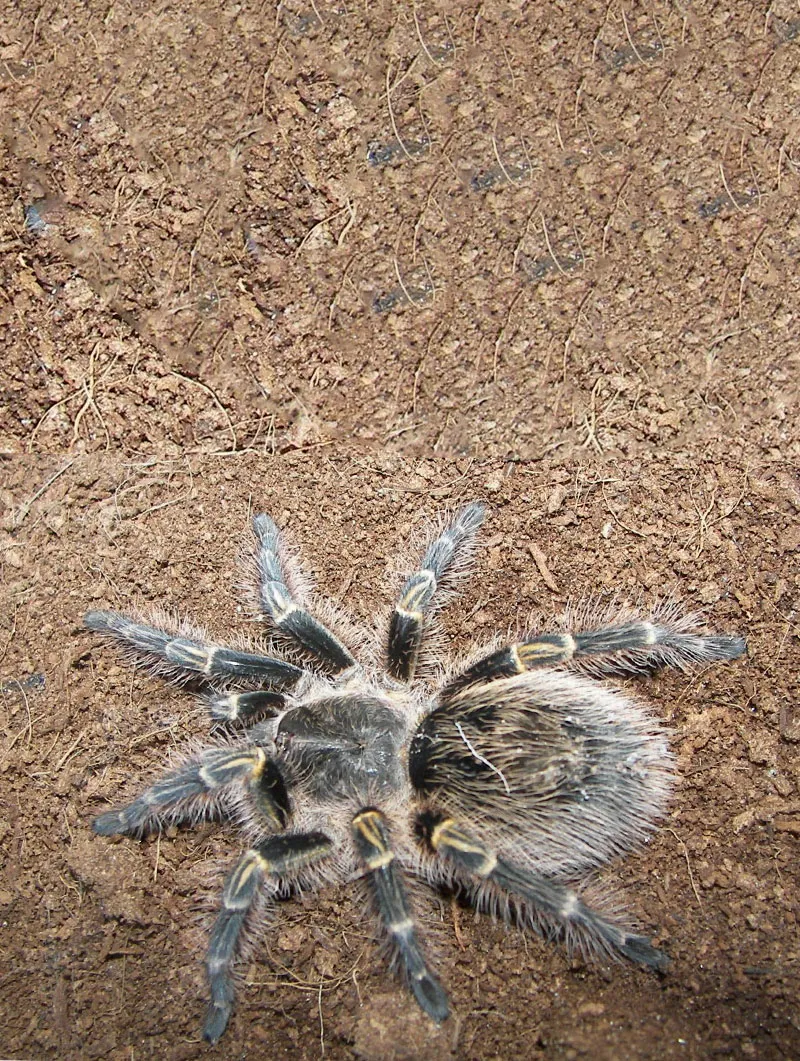
The Chaco Golden Knee Tarantula is immediately recognizable due to its stunning coloration and robust size. The spiders have a dark, velvety black body contrasted by vibrant golden bands on their legs, earning them their distinctive name. These bands become more pronounced as they mature. They are considered a terrestrial species, spending most of their time on the ground or in burrows. The females are larger than the males, with females typically reaching a leg span of up to 8 inches. These spiders also possess urticating hairs on their abdomen, which they can flick off as a defense mechanism. Image chaco-golden-knee-tarantula-1.webp.
Identifying the Chaco Golden Knee Tarantula

Identifying a Chaco Golden Knee Tarantula is relatively straightforward due to its unique markings. The presence of golden bands on the legs is the primary distinguishing factor. Additionally, the overall size and robust build are indicative of this species. Unlike some other tarantula species, the Chaco Golden Knee does not exhibit extensive body hair, making the contrast between the black body and golden legs even more striking. Juveniles have less vibrant coloration initially, but the golden bands become more prominent with each molt, making them easier to identify as they grow. Make sure it is the species you want to buy before proceeding on with sale.
Lifespan and Growth
One of the key considerations before purchasing a Chaco Golden Knee Tarantula is its lifespan. Females can live for an impressive 15 to 20 years, making them a long-term commitment. Males, on the other hand, have a much shorter lifespan, typically living for only 3 to 5 years. The growth rate of these tarantulas varies depending on factors such as feeding and environmental conditions. They molt regularly, shedding their exoskeleton to grow. The frequency of molting decreases as they mature. Proper care and a suitable environment are essential for ensuring a healthy lifespan. Image chaco-golden-knee-tarantula-2.webp.
Optimal Habitat and Setup
Creating the right habitat is vital for the well-being of your Chaco Golden Knee Tarantula. Providing a suitable enclosure that mimics their natural environment will help them thrive. The proper setup ensures the tarantula’s comfort and facilitates its natural behaviors. Understanding the specific needs of your tarantula, including substrate, temperature, and humidity, is crucial for its health and happiness. The goal is to replicate the conditions found in their native habitat. This includes maintaining the correct temperature, humidity levels, and providing hiding places. Image chaco-golden-knee-tarantula-3.webp.
Enclosure Requirements

The size of the enclosure should be appropriate for the tarantula’s size. For a juvenile, a small enclosure (e.g., a 5-gallon tank) is sufficient. As the tarantula grows, it will need a larger enclosure. An adult Chaco Golden Knee requires an enclosure with dimensions of at least 10 gallons. The enclosure should be well-ventilated to prevent the buildup of excessive moisture and allow for proper air circulation. Make sure the enclosure has a secure lid to prevent escape. Consider the floor space to be more important than height. Proper enclosure size allows for movement and burrowing behavior, crucial for their well-being.
Substrate and Decor
The substrate is the bedding material in the enclosure. A good substrate for a Chaco Golden Knee Tarantula is a mix of coconut fiber, peat moss, and a small amount of vermiculite. This mixture retains humidity well while allowing the tarantula to burrow. The substrate should be deep enough (at least 4-6 inches) to allow for burrowing. Decorate the enclosure with a hide, such as a piece of cork bark or a hollow log, to provide a secure place for the tarantula to retreat. Include some artificial plants or leaves to create a more naturalistic environment. Image chaco-golden-knee-tarantula-4.webp.
Feeding and Nutrition
Proper nutrition is essential for the health and growth of your Chaco Golden Knee Tarantula. Providing a balanced diet and the right feeding frequency ensures that your tarantula gets the nutrients it needs. The diet should consist primarily of insects, with occasional supplementation. Overfeeding can lead to health problems, so it is important to provide the right amount of food. Regularly observe your tarantula’s feeding habits and adjust the diet as needed. A healthy tarantula is an active tarantula. Image chaco-golden-knee-tarantula-5.webp.
What to Feed Your Chaco Golden Knee

The primary diet for your Chaco Golden Knee should consist of insects. Crickets, mealworms, and roaches are all suitable food sources. Varying the diet can provide a wider range of nutrients. The size of the insects should be appropriate for the size of your tarantula. For juveniles, smaller insects are necessary. As the tarantula grows, the size of the prey should be increased accordingly. Always ensure that the insects are gut-loaded before feeding them to your tarantula. This process involves feeding the insects a nutritious diet, which in turn provides your tarantula with better nutrition.
Feeding Frequency
The feeding frequency depends on the age of the tarantula. Spiderlings and juveniles should be fed more frequently, typically every 2-3 days. Adult tarantulas can be fed less often, about once a week or every two weeks. Observe your tarantula’s appetite and adjust the feeding schedule accordingly. If the tarantula stops eating, it may be preparing to molt, and you should reduce feeding. Always remove any uneaten prey within 24 hours to prevent stress and potential health risks for your tarantula. Consider the time needed to molt when considering feeding your tarantula.
Temperament and Handling
The Chaco Golden Knee Tarantula is known for its relatively docile temperament, making it a good choice for those new to tarantula keeping. However, it is important to approach handling with caution and respect. Understanding their behavior and potential defensive mechanisms is key to safe interaction. Always prioritize the tarantula’s well-being and avoid unnecessary handling. Observe the tarantula’s behavior, and learn to identify signs of stress or aggression. Be patient, as handling should be a gradual process, allowing the tarantula to become accustomed to your presence. Image chaco-golden-knee-tarantula-6.webp.
Handling Considerations

When handling a Chaco Golden Knee Tarantula, do so with extreme care. Always wash your hands before and after handling, to minimize the risk of transferring germs or other contaminants. Handle the tarantula close to the ground or a soft surface, in case it falls. Avoid sudden movements and loud noises, which can startle the tarantula. Be prepared for the possibility of the tarantula flicking urticating hairs. If the tarantula becomes agitated or shows signs of stress, such as rearing up or raising its front legs, gently place it back in its enclosure.
Potential for Bites and Defensive Behavior
While Chaco Golden Knees are generally docile, they can still bite if they feel threatened. Bites from these tarantulas are not considered medically significant, but they can be painful. In addition to biting, these tarantulas can also flick urticating hairs from their abdomen as a defense mechanism. These hairs can cause skin irritation and itching. Avoid provoking the tarantula or making sudden movements. If a bite occurs, wash the affected area with soap and water. If urticating hairs are flicked, avoid rubbing the area, and wash with water. Consult a doctor if any severe reaction occurs.
Where to Find Chaco Golden Knee Tarantulas for Sale
Finding a Chaco Golden Knee Tarantula for sale involves research and due diligence to ensure you are acquiring a healthy specimen from a reputable source. Identifying reliable vendors, whether online or at local pet stores, is essential. Considering the different options, and understanding the potential pitfalls, can help ensure a safe and rewarding experience. Always prioritize the health and well-being of the tarantula, and be prepared to ask questions and research the vendor. Consider your local regulations regarding exotic pet ownership before purchasing any tarantula.
Reputable Breeders and Pet Stores

Reputable breeders are typically a great source for purchasing Chaco Golden Knee Tarantulas. They often have experience with the species and can provide information about their care. Look for breeders with positive reviews and a good reputation in the tarantula community. Pet stores that specialize in exotic pets may also carry Chaco Golden Knees. Visit the store and observe the conditions of the animals. Ensure that the enclosures are clean, and the tarantulas appear healthy. Ask the staff about their experience with the species, and their care practices. Do not hesitate to ask for references or ask to see the tarantula’s history.
Online Marketplaces and Considerations
Online marketplaces offer a wide selection of Chaco Golden Knee Tarantulas for sale. However, it is essential to be cautious when purchasing online. Verify the seller’s reputation by reading reviews. Ask for clear photos and videos of the tarantula before purchasing. Inquire about the tarantula’s age, feeding history, and health. Ensure the seller offers a live arrival guarantee. Understand the shipping process and the precautions taken to ensure the tarantula arrives safely. Be aware of potential scams or misrepresentation. Always use a secure payment method. Research shipping restrictions or regulations in your area before purchasing.
Legality and Regulations
Before buying a Chaco Golden Knee Tarantula, it is crucial to be aware of any local regulations regarding the ownership of exotic pets. Some areas may have specific permits or restrictions. Compliance with these laws is essential to avoid legal issues and ensure that you can legally keep the tarantula. Always prioritize ethical and responsible pet ownership by adhering to regulations. Research the specific requirements of your location before making any purchase. Non-compliance with local laws can result in fines or the confiscation of your pet.
Importation and Local Laws
The importation of tarantulas is subject to national and international laws and regulations. Research any import restrictions if you are planning to buy a tarantula from a breeder outside your country. Ensure that the breeder has the necessary permits and complies with all relevant laws. Local laws may also restrict the types of animals you can own, even if you are purchasing from a local source. Check your local government’s regulations regarding pet ownership. If you are unsure, consult your local animal control or wildlife agencies for clarification. Always prioritize ethical and responsible ownership by adhering to the law.
Health and Common Issues
Keeping a Chaco Golden Knee Tarantula healthy involves recognizing common health issues and knowing how to prevent them. Regular observation of your tarantula’s behavior and physical condition is essential for early detection of any problems. Prevention through proper care and diet is the best approach. Providing a clean environment and ensuring that your tarantula is not exposed to harmful substances are also crucial. A proactive approach to health ensures a long and fulfilling life for your pet. Always stay informed about the common illnesses and preventative measures.
Signs of a Healthy Tarantula
A healthy Chaco Golden Knee Tarantula should be active and alert. It should move around its enclosure, explore, and react to stimuli. A good appetite is also a sign of good health. The tarantula should readily accept food. The abdomen should be plump, but not excessively so, indicating proper hydration and nutrition. The coloration should be vibrant, and the legs should be intact and undamaged. The absence of any visible parasites or infections is also important. Look for smooth, regular molts, as this indicates healthy growth. If your tarantula displays these signs, then it is likely healthy.
Common Diseases and Prevention
Common health issues in tarantulas include mites, fungal infections, and injuries. Mites are small parasites that can infest a tarantula and cause irritation. Prevent mite infestations by maintaining a clean enclosure and regularly inspecting your tarantula. Fungal infections can develop in enclosures with high humidity and poor ventilation. Prevent fungal infections by ensuring proper airflow and a dry substrate. Injuries can occur during handling or from falling. Handle your tarantula with care and avoid dropping it. Seek veterinary assistance if you notice any signs of illness or injury. Early detection and treatment are crucial for the tarantula’s health.
Conclusion
Owning a Chaco Golden Knee Tarantula can be a rewarding experience for those who are prepared to provide the proper care. By understanding their needs, including their habitat, diet, and potential health issues, you can create a thriving environment for your pet. Researching where to find these spiders and adhering to local regulations is also essential. Remember that responsible ownership involves continuous learning and a commitment to the well-being of your tarantula. With the correct knowledge and care, you can enjoy the beauty and unique characteristics of the Chaco Golden Knee Tarantula for many years. Enjoy your new pet.