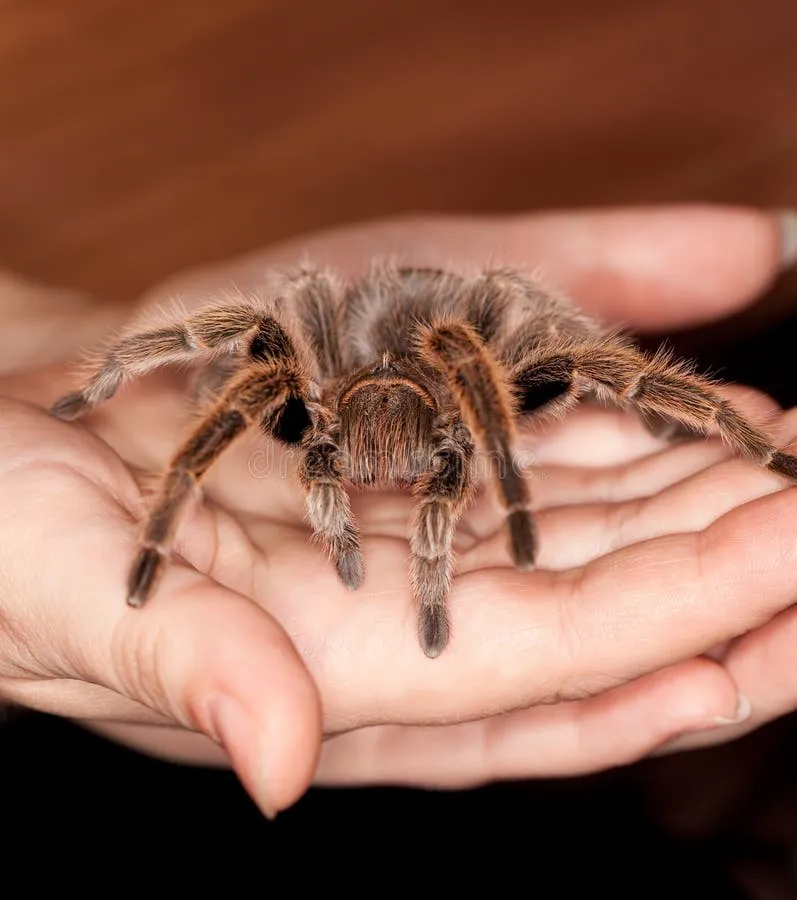
The Thrill of Tarantula Ownership for Kids
Owning a tarantula can be an exciting experience for children, offering a unique opportunity to learn about nature, responsibility, and the fascinating world of arachnids. The initial allure often stems from the tarantula’s exotic appearance and the novelty of having a pet that’s different from the usual cats or dogs. For kids, this can ignite a passion for science and a curiosity about the natural world. However, it’s essential to approach this with caution, understanding that tarantula ownership is a significant commitment and not something to be taken lightly. The child must understand that it is a commitment, something to be taken seriously. It is an opportunity for them to learn and understand the responsibilities that come with caring for a living creature.
Choosing the Right Tarantula for a Child
Not all tarantula species are created equal when it comes to being suitable pets for children. Some species are known for being more docile and less prone to biting or defensive behavior, making them better choices for beginners. The Grammostola rosea, commonly known as the Chilean rose hair tarantula, is often recommended due to its relatively calm temperament and manageable size. Another good option is the Brachypelma hamorii, the Mexican red knee tarantula, which is also known for its gentle nature. Before bringing a tarantula home, it’s crucial to research different species and understand their specific care requirements, including their temperament, size, and venom potency. Parents should always supervise interactions and teach children how to handle the tarantula properly.
Tarantula Habitat Essentials for Kids

Creating a suitable habitat is paramount for the tarantula’s well-being and the child’s experience of caring for it. The setup should mimic the tarantula’s natural environment, which will help them thrive. This involves providing a secure enclosure, appropriate substrate, a water source, and suitable temperature and humidity levels. The enclosure should be appropriately sized for the species, allowing the tarantula enough space to move around without feeling exposed. A secure lid is essential to prevent escapes, which could pose a risk to both the tarantula and the household. The child will learn to be very responsible, always making sure the lid is closed. This habitat becomes the child’s responsibility. These are things children can easily do, learn, and appreciate.
Tank Size and Setup
Tank size is crucial, with the general rule being to provide enough space for the tarantula to move around comfortably. A good starting point is a tank that is at least three times the tarantula’s leg span in width and length, and a height that allows for several inches of substrate. The setup should include a water dish, which should be shallow enough to prevent drowning and regularly refilled with fresh water. Provide some form of shelter, such as a hide or a piece of cork bark, where the tarantula can retreat and feel secure. Ensure that the enclosure is well-ventilated to prevent the buildup of mold or mildew and the formation of mold is always a good thing to avoid.
Substrate Selection
The substrate, or bedding, plays a vital role in maintaining humidity levels and providing a comfortable environment. Suitable options include peat moss, coconut fiber (coir), or a mix of both. Avoid using substrates that can be harmful if ingested, such as gravel or sand. The substrate should be deep enough for burrowing species to dig and create their own hideaways. Regular spot cleaning of the substrate is necessary to remove waste and uneaten food, which helps to maintain a healthy environment for the tarantula. This process is also the perfect opportunity to teach children about cleanliness and the responsibility to keep their pets clean.
Temperature and Humidity Control

Maintaining the correct temperature and humidity is essential for the tarantula’s health. Most tarantulas thrive in temperatures between 75-85°F (24-29°C). Use a thermometer to monitor the temperature and adjust the heating accordingly. Humidity levels vary depending on the species, but generally, tropical species require higher humidity than those from arid regions. Use a hygrometer to measure humidity levels and mist the enclosure with water to increase humidity. Proper ventilation is also important to prevent the growth of mold and mildew. Parents should help their child by demonstrating the value of these tools and how to use them to keep their tarantula happy.
Feeding Your Tarantula
Feeding your tarantula is a significant part of the care routine and can be an exciting experience for children. Tarantulas typically eat insects, such as crickets, mealworms, and roaches. The frequency of feeding depends on the tarantula’s age and size. Younger tarantulas and those that are molting should be fed more often. Handling the feeding process carefully is essential to avoid stressing the tarantula or the risk of it escaping. Children can be taught to observe the tarantula’s eating habits and to understand when it is full and no longer interested in food. This teaches observation skills.
What to Feed Your Tarantula
The diet of a tarantula should primarily consist of live insects. Crickets are a common and readily available food source, but mealworms and roaches can also be used. The size of the insect should be appropriate for the tarantula, ensuring that it can easily capture and eat its prey. It is also essential to provide the insects with proper nutrition before feeding them to the tarantula. This practice, known as gut-loading, involves feeding the insects with nutritious food, such as vegetables or commercial insect food, which will pass on essential nutrients to the tarantula. The child will also learn that their food needs good nutrition too.
Feeding Frequency

The feeding frequency varies depending on the tarantula’s age, size, and species. Young tarantulas that are still growing may need to be fed 2-3 times a week, while adult tarantulas may only need to be fed once a week or even less frequently. Observing the tarantula’s abdomen can help determine whether it is well-fed. A full abdomen indicates that the tarantula has enough food, while a thin abdomen may indicate that it needs to be fed more often. Overfeeding should be avoided, as it can lead to health problems. The child will quickly learn to identify the signs to know when to feed.
Safe Handling and Interaction
Handling a tarantula should always be done with caution and under adult supervision. While some tarantula species are more docile, there’s always a risk of a bite, which can be painful and may cause an allergic reaction. Children should be taught how to approach the tarantula calmly and to avoid sudden movements that could startle the spider. It is best to handle the tarantula only when necessary, such as for cleaning the enclosure. The child should only handle the tarantula if it is the right species and size, for them. Children should always wash their hands before and after handling the tarantula to minimize the risk of contamination. The child should always understand and follow the instructions of an adult before handling their tarantula.
The Importance of Supervision
Constant adult supervision is essential when children are interacting with their tarantula. Parents or guardians should be present to ensure that the child handles the spider safely and understands its behavior. Never leave a child unsupervised while handling the tarantula. Supervision is particularly important in the initial stages of tarantula ownership, when children are learning about the responsibilities and risks involved. As the child gains experience and demonstrates responsible behavior, the level of supervision can gradually be reduced. The goal is to teach the child to care for their tarantula while minimizing any potential hazards.
Proper Handing Techniques

When handling a tarantula, it’s crucial to approach it slowly and calmly. Avoid touching the tarantula’s fangs or sensitive areas. Encourage the tarantula to walk onto your hand rather than trying to grab or force it. This can be achieved by gently coaxing the tarantula towards your hand with a soft brush or another tool. Support the tarantula’s body with both hands, allowing it to move at its own pace. Handle the tarantula over a soft surface, such as a bed or a carpet, to minimize the risk of injury if it were to fall. Encourage the child to be patient, as tarantulas can sometimes be hesitant to come out. Always ensure the safety of the tarantula.
Recognizing and Avoiding Bites
It’s important to understand the signs that a tarantula might bite. If the tarantula raises its front legs, flicks hairs, or appears agitated, it may be a sign that it feels threatened. Children should be taught to recognize these behaviors and to avoid handling the tarantula when it shows signs of stress. Avoid placing your hands or fingers directly in front of the tarantula. If a bite occurs, remain calm and seek medical attention if needed. While tarantula bites are rarely life-threatening, they can be painful and cause localized swelling and discomfort. Clean the bite area with soap and water and monitor for any signs of an allergic reaction, such as difficulty breathing or swelling.
Health and Hygiene for Tarantulas
Maintaining good health and hygiene practices is critical for the tarantula’s well-being. Regular cleaning of the enclosure is essential to prevent the buildup of waste and the growth of bacteria. Spot clean the enclosure daily, removing any uneaten food and fecal matter. Perform a full cleaning of the enclosure regularly, replacing the substrate and cleaning the walls and decorations. Provide fresh water at all times and keep the water dish clean to prevent bacterial growth. Watch for any signs of illness or disease, such as lethargy, loss of appetite, or unusual behavior. If you notice any signs of illness, consult with a veterinarian who specializes in exotic animals. The child will be taught to recognize good health.
Cleaning and Maintenance of the Habitat

Regular cleaning of the enclosure helps to maintain a healthy environment for the tarantula. Spot clean the enclosure daily, removing uneaten food, fecal matter, and any other debris. This prevents the buildup of bacteria and odors. Perform a full cleaning of the enclosure every few months, or as needed, depending on the species and the size of the enclosure. Replace the substrate with fresh, clean material. Wash the walls and decorations with mild soap and water, then rinse thoroughly. The child will develop responsibility by keeping the enclosure clean and ready for their tarantula. Proper cleaning is important for the health of the tarantula.
Identifying Common Tarantula Diseases
While tarantulas are generally hardy creatures, they can still be susceptible to certain diseases and ailments. Some common problems include parasites, fungal infections, and bacterial infections. Watch out for signs such as loss of appetite, lethargy, discoloration, or unusual behavior. Consult with a veterinarian specializing in exotic animals if you notice any signs of illness. Prevention is always better than cure, and the child should be educated about the importance of providing a clean environment and proper care to prevent disease. Early detection and treatment are crucial for ensuring the tarantula’s well-being. The child will soon learn how to recognize signs of health problems.
Ongoing Care and Enrichment
Caring for a tarantula doesn’t end with feeding and cleaning; it also involves creating an enriching environment that stimulates the spider’s natural behaviors. This can involve providing opportunities for burrowing, climbing, and hunting. Providing a diverse environment can contribute to the child’s enjoyment of owning a tarantula. There are simple things that make the tarantula’s life happier. Ongoing care includes observing the tarantula’s behavior and making adjustments as needed. Constant learning helps children grow. The child will understand their pet’s needs.
Creating a Stimulating Environment

Provide a variety of enrichment items in the tarantula’s enclosure, such as cork bark, artificial plants, and hides. These items provide the tarantula with opportunities to climb, explore, and create a sense of security. Make sure that the enclosure provides the necessary space and a variety of textures. Different species have different needs. Some tarantulas enjoy burrowing, so providing a deep layer of substrate can be beneficial. Regularly rearrange the enrichment items to keep the environment stimulating and interesting. A stimulating environment will contribute to the overall well-being of the tarantula and provide the child with an opportunity to learn and observe the spider’s behavior. Enrichment keeps it from being bored. This will teach the child more about their pet.