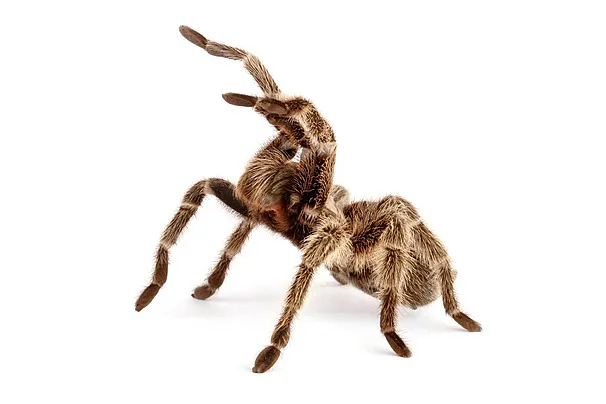
Chilean Fire Tarantula Overview
The Chilean Fire Tarantula (Grammostola rosea), also known as the Rose Hair Tarantula, is a popular pet tarantula known for its docile temperament and striking appearance. Native to the arid regions of Chile, Bolivia, and Argentina, these spiders are relatively easy to care for, making them a great choice for beginner tarantula enthusiasts. They are terrestrial tarantulas, meaning they spend most of their time on the ground, and they are relatively slow-moving, which contributes to their appeal as pets. Their lifespan and size can vary, but typically, females live longer than males and can grow to a considerable size.
Appearance and Characteristics
Chilean Fire Tarantulas have a distinctive appearance, often described as having a rose-colored hue on their bodies. Their bodies are covered in fine hairs, with the coloration ranging from a light brown to a darker, almost black shade. The “fire” in their name comes from the reddish hairs, especially noticeable when light reflects off them. The legs are typically darker, adding to the contrast. They have a large, rounded abdomen and two prominent chelicerae (mouthparts) used for feeding. The size of these tarantulas can vary, but adults usually have a leg span of about 5-6 inches, with females generally being larger than males. They are overall robust and beautiful arachnids.
Distinguishing Features

The most distinguishing feature of the Chilean Fire Tarantula is its overall color and the presence of urticating hairs on its abdomen. These hairs, when flicked off, can cause irritation to the skin and eyes, serving as a defense mechanism against predators. The rose-colored hairs are also unique to this species, differentiating them from other tarantula species. The shape of the body, robust legs, and the relatively slow movements are also distinctive features. The color of the hairs can also depend on molting, so their vibrant appearance varies depending on the molt stage.
Origin and Habitat of Chilean Fire Tarantulas
Chilean Fire Tarantulas are native to the arid regions of Chile, Argentina, and Bolivia. They are well-adapted to survive in harsh, dry environments, which is one of the reasons they are relatively easy to care for in captivity. Understanding their natural habitat is crucial for providing appropriate care and replicating their natural environment in your pet’s enclosure. The native environment also contributes to their specific characteristics like their feeding habits, defense mechanisms, and overall temperament.
Natural Environment
In their natural environment, Chilean Fire Tarantulas typically live in burrows or under rocks, where they are protected from the sun and predators. They prefer dry, warm climates and are most active during the night. The terrain they inhabit is often characterized by sparse vegetation and rocky or sandy ground. The humidity levels are usually quite low, so it’s essential to replicate this when keeping them as pets. These conditions directly impact their behavior and overall health, so understanding these factors is essential for their well-being in captivity.
Geographic Distribution

The geographical distribution of Chilean Fire Tarantulas is primarily within Chile, Argentina, and Bolivia. Their range is concentrated in the drier regions of these countries. Their presence in these areas highlights their adaptability to arid environments. This widespread distribution, though limited to specific regions, shows the success of the species in surviving and thriving in diverse climates. Their distribution can be traced back to their historical adaptations, emphasizing the importance of these environments to their survival.
Top 5 Incredible Facts about Chilean Fire Tarantulas
Fact 1 Amazing Defense Mechanism
One of the most fascinating facts about Chilean Fire Tarantulas is their defense mechanism: urticating hairs. These hairs are located on their abdomen and, when threatened, the tarantula will flick them towards the perceived danger. The hairs, which are barbed, can cause intense irritation to the skin, eyes, and respiratory passages of potential predators (or humans). The irritation acts as a deterrent, making the tarantula less likely to be attacked. This defensive behavior is a key adaptation for survival in their natural habitat.
How They Defend Themselves

The Chilean Fire Tarantula defends itself primarily through a combination of behaviors. When feeling threatened, they will raise their front legs and rear up, displaying their fangs. If the threat persists, they will flick urticating hairs towards the perceived danger, causing irritation. They can also bite, although this is not their primary defense. They may also attempt to flee and hide. The intensity of their defensive behavior depends on the perceived threat level and their overall disposition.
Fact 2 Lifespan
Chilean Fire Tarantulas have a relatively long lifespan, making them an appealing pet. The lifespan of these tarantulas can vary depending on several factors, including sex, diet, and environmental conditions. In general, females live much longer than males.
Male vs Female Lifespan
Female Chilean Fire Tarantulas can live for 15-20 years or longer under optimal conditions. This is significantly longer than the males, who typically live for 5-10 years. The shorter lifespan of males is primarily due to the stress of finding a mate and the shorter lifespan after mating. The difference in lifespan is one of the key considerations for those looking to keep a tarantula as a pet for an extended time.
Fact 3 Venom
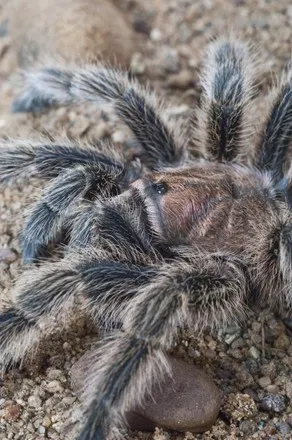
Chilean Fire Tarantulas, like all tarantulas, have venom, but it is not considered particularly dangerous to humans. Their venom is relatively mild and similar to a bee sting. While a bite can be painful and cause some localized discomfort, it is not typically life-threatening. However, individual reactions can vary, and anyone bitten should clean the wound and monitor for any unusual symptoms.
Is their venom dangerous to humans
The venom of a Chilean Fire Tarantula is generally not considered dangerous to humans, posing a minimal threat to overall health. The effects of a bite are usually limited to localized pain, redness, and swelling at the bite site. While some people may experience slightly more severe reactions, serious complications are rare. However, it is always advisable to seek medical attention if you experience an allergic reaction or if symptoms worsen.
Fact 4 Feeding Habits
Chilean Fire Tarantulas are carnivorous and primarily eat insects in the wild. In captivity, they readily accept a variety of insects. They have specific feeding habits and require proper nutrition to thrive. Understanding their dietary needs is crucial to ensure their health and well-being as a pet. They typically feed at night, and the frequency of feeding depends on their age and size.
What They Eat

In the wild, Chilean Fire Tarantulas typically feed on insects, such as crickets, grasshoppers, and other invertebrates. In captivity, they can be fed a diet of commercially available insects, including crickets, mealworms, and dubia roaches. The size of the prey should be appropriate for the size of the tarantula. Supplements like calcium and vitamins can be provided to ensure a balanced diet. Always provide fresh water as well.
Fact 5 Temperament
Chilean Fire Tarantulas are known for their generally docile temperament, which is one of the reasons they are popular pets. They are not typically aggressive and are less likely to bite compared to some other tarantula species. However, it is still important to handle them with care and respect their space. Their calm nature makes them a good choice for beginners, provided they are handled in a proper way.
Chilean Fire Tarantula as Pets
Keeping a Chilean Fire Tarantula as a pet can be a rewarding experience. They are relatively low-maintenance and fascinating creatures to observe. Success depends on providing proper care, housing, and diet, which will allow your tarantula to thrive. Understanding their needs ensures their well-being, which in turn, enhances the overall experience of owning a tarantula. By following the correct practices, one can enjoy a healthy and long-lived pet.
Care and Handling

Proper care involves maintaining the right environmental conditions, providing a suitable diet, and handling them cautiously. Handling should be kept to a minimum, as it can stress the tarantula. Always approach a tarantula calmly, and never make sudden movements. It’s important to respect the tarantula’s space and understand its behavior to prevent injury. When handling, do so close to the ground to prevent any falls.
Housing Requirements
The ideal housing for a Chilean Fire Tarantula should be a terrarium that is appropriately sized for the tarantula’s size. The enclosure should have a secure lid to prevent escape and adequate ventilation. The substrate, such as coco fiber or peat moss, should be deep enough for the tarantula to burrow. A water dish should always be available, and the temperature should be maintained between 70-80°F (21-27°C). The humidity levels should be around 60-70%.
Diet and Feeding
Feeding your Chilean Fire Tarantula involves offering a diet of live insects. The frequency of feeding depends on the age and size of the tarantula; juveniles can be fed more often than adults. The prey should be of a suitable size, and any uneaten prey should be removed within 24 hours to prevent stress to the tarantula. Supplementation with vitamins and calcium is often recommended to ensure a balanced diet.
Conclusion
The Chilean Fire Tarantula is a fascinating and relatively easy-to-care-for pet that can provide years of enjoyment. By understanding their characteristics, needs, and providing the proper care, owners can ensure the well-being of their tarantulas. From their distinctive appearance to their unique defense mechanisms and docile temperament, the Chilean Fire Tarantula offers a great entry into the world of exotic pets.