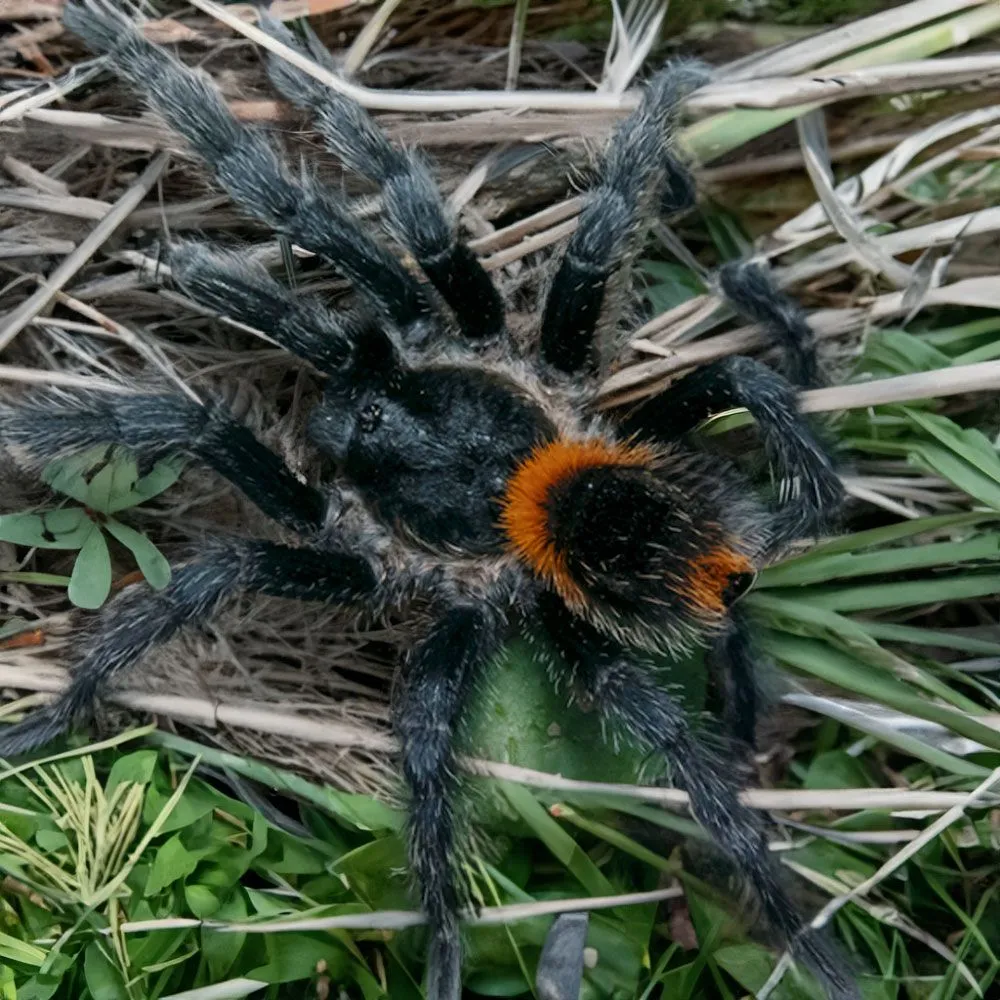
Understanding the Chilean Flame Tarantula
The Chilean Flame Tarantula, also known as the Chilean Rose or Rose Hair tarantula (Grammostola rosea), is a popular pet tarantula prized for its docile temperament, striking appearance, and relatively easy care requirements. Originating from the arid and semi-arid regions of Chile, this species has adapted to thrive in environments that can be replicated in a captive setting. Understanding the specifics of their natural habitat and behavior is crucial for providing optimal care and ensuring a long, healthy life for your tarantula. This guide offers a comprehensive overview of Chilean Flame Tarantula care, covering everything from enclosure setup and feeding to handling and health management.
Appearance and Characteristics
Chilean Flame Tarantulas are known for their beautiful coloration, typically exhibiting a range of hues from a light tan to a reddish-brown. Their bodies are covered in fine hairs, and they possess a relatively docile demeanor, making them a good choice for beginner tarantula keepers. Adult females can reach a leg span of up to 5-6 inches, while males are generally smaller. They have a lifespan of up to 20 years for females, while males usually live for a shorter period, typically 5-7 years. Their slow movements and calm nature contribute to their appeal as pets, making them less intimidating than some other tarantula species.
Natural Habitat and Behavior

In the wild, Chilean Flame Tarantulas inhabit grasslands, scrublands, and deserts in Chile. They are terrestrial spiders, meaning they spend most of their time on the ground. They typically live in burrows or under rocks, providing shelter from the harsh climate. They are nocturnal hunters, primarily feeding on insects. Understanding their natural behaviors helps in replicating their environment and catering to their needs in captivity. They are not aggressive, but will flick urticating hairs if they feel threatened. They are generally solitary creatures, and only come together during mating season. These spiders are relatively hardy and adapt well to captivity when their needs are met.
Setting Up the Perfect Chilean Flame Tarantula Enclosure
Creating the right environment is paramount for the well-being of your Chilean Flame Tarantula. A suitable enclosure provides a safe space, facilitates natural behaviors, and helps regulate temperature and humidity. The size of the enclosure should be appropriate for the size of the tarantula. The enclosure setup should include the right substrate, hiding places, and water source. The proper environment will reduce stress and increase the chances of your tarantula thriving. Consider the tarantula’s needs, such as the correct temperature gradient and humidity levels, to help replicate its natural habitat and keep your tarantula healthy.
Choosing the Right Enclosure
For a juvenile Chilean Flame Tarantula, a 5-10 gallon terrarium or a similar sized plastic container is suitable. As the tarantula grows, you’ll need to upgrade to a larger enclosure. Adult females can comfortably live in a 10-20 gallon terrarium, ensuring sufficient space for movement and burrowing. The enclosure should be well-ventilated, with a secure lid to prevent escapes. Consider the ease of cleaning and maintenance when selecting the enclosure. Glass terrariums are popular for their clear view, while plastic containers offer durability and lightweight features. The enclosure needs to be escape-proof, and the type of material should be non-toxic.
Substrate and Decor

The substrate is the bedding material in the enclosure and is essential for burrowing and maintaining humidity. A substrate mix of coconut fiber, peat moss, and a small amount of vermiculite is ideal. This combination retains moisture well while allowing for burrowing. The substrate should be deep enough – at least 4-6 inches – to allow the tarantula to burrow. Add a hide, such as a cork bark or a half-log, to provide a secure retreat where your tarantula can feel safe. Include some artificial plants for decoration and to increase the surface area, which helps with humidity regulation. Ensure that all decorations are safe and won’t harm the tarantula.
Temperature and Humidity Control
Chilean Flame Tarantulas thrive in a temperature range of 70-80°F (21-27°C). Use a heat mat on the side of the enclosure to maintain the appropriate temperature. Avoid placing the heat mat directly under the enclosure, as it can get too hot. Humidity levels should be maintained between 60-70%. You can monitor humidity with a hygrometer. Mist the enclosure with water every few days to maintain the required humidity. Ensure good ventilation to prevent mold and mildew growth. Proper temperature and humidity management are crucial for the tarantula’s health and well-being. Avoid direct sunlight and drafts.
Feeding Your Chilean Flame Tarantula
Feeding your Chilean Flame Tarantula is a relatively straightforward process, but it’s crucial to provide the right food in the appropriate amounts. Tarantulas have specific dietary needs, and understanding these is key to ensuring they thrive in captivity. The type of food, the frequency of feeding, and the provision of fresh water all play important roles. Observe your tarantula’s eating habits to make necessary adjustments to their diet. A well-fed tarantula is a healthy tarantula. Keep in mind that tarantulas are opportunistic feeders, so it’s crucial to pay attention to the amount of food they eat, the frequency, and also the water they drink.
What to Feed

The primary diet for a Chilean Flame Tarantula consists of insects. Crickets, mealworms, and dubia roaches are excellent options, providing essential nutrients. Dust the insects with calcium and vitamin supplements to provide your tarantula with all of the nutrients it needs. Avoid feeding insects caught from the wild, as they can carry parasites or pesticides. Make sure that the insects you feed your tarantula are appropriate in size; generally, the food should be no larger than the tarantula’s body. Remove any uneaten prey after 24 hours to prevent stress and mold growth in the enclosure. Variety in the diet is beneficial, so rotate between different insect species.
Feeding Frequency and Amounts
Juvenile tarantulas should be fed 2-3 times a week, while adults can be fed once a week or every other week. Adjust the feeding frequency based on the tarantula’s size, age, and appetite. Observe the tarantula’s abdomen; a well-fed tarantula will have a plump abdomen. Overfeeding can be as harmful as underfeeding, so monitor your tarantula’s condition. When the tarantula is in premolt, it may refuse to eat, which is normal. Offer small amounts of food at first and increase it as the tarantula gets larger. Don’t be alarmed if they skip a meal or two, especially if they are preparing to molt.
Watering and Hydration
Provide a shallow water dish with fresh water at all times. Make sure the water dish is small enough to prevent the tarantula from drowning. Change the water regularly to prevent bacterial growth. You can also mist the enclosure lightly, particularly during molting, to maintain humidity and provide additional hydration. Observe your tarantula drinking from the water dish. Water is essential for proper hydration, and it helps them molt successfully. The water bowl should be placed in a safe location where it cannot be tipped over or contaminated with substrate.
Handling and Safety Precautions

While Chilean Flame Tarantulas are generally docile, handling should be done with caution and only when necessary. Tarantulas are delicate creatures, and improper handling can lead to injury or stress. It’s important to understand the potential risks and to always prioritize the tarantula’s well-being. Many experienced keepers rarely handle their tarantulas to avoid unnecessary stress. Handling, if done, should be kept to a minimum, and safety measures should be taken to protect both the tarantula and the handler. Consider the tarantula’s temperament before attempting to handle it.
Handling Guidelines
If you choose to handle your tarantula, do so with extreme care and gentleness. Approach the tarantula slowly and gently coax it onto your hand. Avoid quick movements or loud noises, which can startle the tarantula. Always handle the tarantula over a soft surface, such as a bed or a carpet, in case it falls. Never squeeze or drop the tarantula. Be aware that some tarantulas can flick urticating hairs as a defense mechanism, so avoid touching the abdomen. Wash your hands thoroughly before and after handling to prevent the transfer of any contaminants or oils.
Recognizing Signs of Stress
Tarantulas can display signs of stress. If your tarantula is agitated, it may raise its front legs, rear back, or try to escape. A tarantula that is frequently flicking urticating hairs is likely stressed. Loss of appetite or lethargy can also indicate stress or illness. Provide the tarantula with a secure hiding place and avoid handling it if it shows signs of stress. Ensure the enclosure is set up correctly and that the temperature and humidity are within the appropriate range. If you notice prolonged signs of stress, consult with an experienced tarantula keeper or veterinarian familiar with tarantulas.
Common Health Issues and Prevention

Chilean Flame Tarantulas are generally hardy, but they are still susceptible to certain health issues. Preventive care is essential for maintaining their health and well-being. Regular observation and providing an appropriate environment can help to prevent many common problems. Knowing how to identify and treat common health issues is crucial. Keeping a close watch on your tarantula’s behavior and appearance will help you recognize any potential health problems early. The right environment, diet, and care practices help keep your tarantula healthy.
Moulting Process
Moulting is a natural process where the tarantula sheds its exoskeleton to grow. Before moulting, the tarantula will typically become less active and may refuse food. They may also darken in color. Create an undisturbed environment during this time. Provide a moist substrate to help with the process. Do not disturb the tarantula while it’s moulting. After moulting, the tarantula will be soft-bodied and vulnerable; avoid handling it for a few days to allow the new exoskeleton to harden. The moulted skin can be left in the enclosure to provide a record of growth and health.
Identifying and Treating Parasites and Diseases
Parasites and diseases can affect Chilean Flame Tarantulas. Mites are a common problem; these tiny parasites can be seen moving on the tarantula’s body. Treat mite infestations by improving enclosure hygiene and using mite-killing products specifically designed for tarantulas. Fungal infections can occur in enclosures with excessive humidity. Maintaining proper ventilation and avoiding over-misting can prevent fungal growth. Seek advice from a veterinarian or experienced tarantula keeper for diagnosis and treatment if you suspect a health problem. Isolate any sick tarantula from others to prevent the spread of illness. Monitor your tarantula’s health regularly and act quickly if any health concerns arise.
Breeding Chilean Flame Tarantulas

Breeding Chilean Flame Tarantulas is an advanced aspect of tarantula keeping, requiring specific knowledge and resources. It involves careful management and consideration of the tarantula’s health and well-being. Understanding the process of mating, egg sac management, and the needs of spiderlings is essential. Breeding should only be attempted by experienced keepers. Breeding these tarantulas can be a rewarding experience, but it is a significant undertaking. The main goal in breeding is to provide a healthy environment and maximize the chances of successful mating and reproduction.
Sexing the Tarantula
Sexing a tarantula can be done by examining the underside of the abdomen for the presence of an epigastric furrow (females) or by examining the pedipalps for the presence of modified palpal bulbs (males). The easiest way to determine the sex is through the moulted exoskeleton. Male tarantulas have smaller bodies and longer legs compared to females. If you plan to breed your tarantula, proper sexing is crucial. Sexing is typically done by a careful examination of the moulted exoskeleton after a molt. If you’re unsure, it’s best to consult with a tarantula expert.
Mating and Egg Sac Management
Mating involves introducing a mature male to a mature female. The male will approach the female cautiously and initiate courtship rituals. If the female accepts, the male will mate with her. After mating, the female will produce an egg sac, which she will protect. The egg sac can contain hundreds of eggs. Remove the egg sac if you have proper experience. Keep the egg sac in a controlled environment with appropriate temperature and humidity. Hatchlings will require specialized care, including providing them with appropriately sized food. It is a complex process, requiring a lot of care, so it is essential to do your research and be well prepared.
Conclusion
Caring for a Chilean Flame Tarantula can be a rewarding experience. By providing the right environment, diet, and handling, you can ensure that your tarantula thrives. Understanding the specifics of their care is crucial for their longevity and overall well-being. Always prioritize the tarantula’s health and safety. With the proper knowledge and dedication, you can enjoy the fascinating world of tarantula keeping and create a thriving environment for your Chilean Flame Tarantula. Remember that every tarantula is unique, so observing your pet and adjusting your care as needed is key. Enjoy your journey with this fascinating creature!