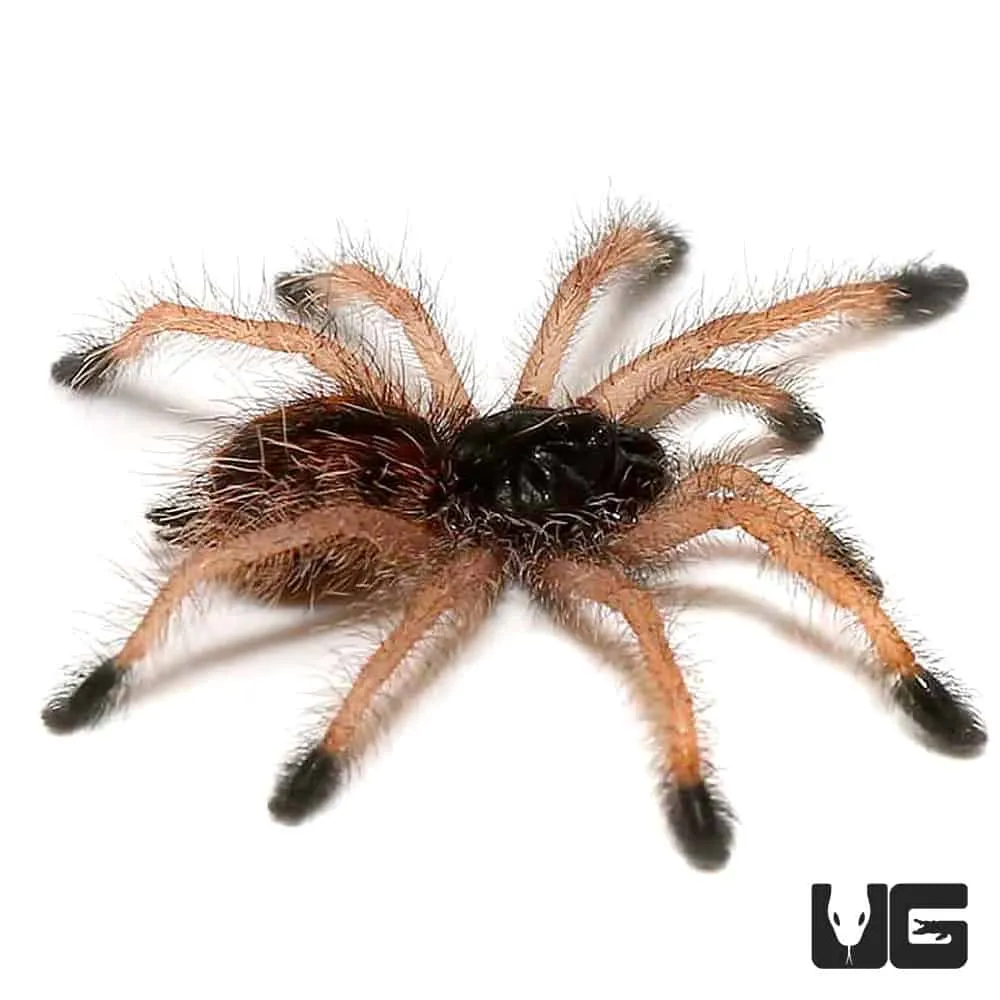
Chilean Yellow Tarantula Care Top 5 Facts
The Chilean Yellow Tarantula, Grammostola rosea, is a popular pet choice for its docile nature and relatively straightforward care requirements. These spiders, native to the grasslands of Chile, are known for their striking appearance and ease of handling. However, providing the right environment and care is crucial for their well-being. This guide delves into the top 5 facts to ensure your Chilean Yellow Tarantula thrives, from habitat essentials to understanding their unique needs. By following these guidelines, you can create a thriving environment where your tarantula can flourish, providing you with years of enjoyment watching this fascinating creature.
Habitat Essentials
Creating the right habitat is paramount for the health and happiness of your Chilean Yellow Tarantula. This involves careful consideration of the enclosure, substrate, temperature, and humidity. Mimicking their natural environment helps reduce stress and promotes healthy behavior, including proper feeding and molting. A well-maintained habitat also makes it easier to observe your tarantula and detect any potential health issues early on. Understanding and implementing these habitat essentials is the first step in becoming a responsible Chilean Yellow Tarantula owner.
Enclosure Size and Setup

The enclosure should be appropriately sized. A general rule of thumb is to provide an enclosure that is at least three times the tarantula’s leg span in width. For a juvenile, a 5-gallon aquarium or a similar-sized plastic terrarium is suitable. As your tarantula grows, upgrade to a larger enclosure to accommodate its increasing size. A secure lid is crucial to prevent escape. Ensure the enclosure has adequate ventilation to maintain air quality while preventing escape. The enclosure design should also provide a secure and naturalistic environment, allowing the tarantula to feel safe and thrive. A well-designed enclosure is a safe enclosure.
Substrate and Decor
The substrate plays a vital role in maintaining humidity and providing a naturalistic environment. A mixture of substrate like peat moss, coconut fiber, and a small amount of vermiculite works well. The substrate should be deep enough for the tarantula to burrow if it chooses, typically about 2-4 inches. Avoid substrates with sharp edges. Adding decorations such as cork bark, artificial plants, and hides will give your tarantula places to hide and feel secure. These decorations should be securely placed to prevent them from falling and potentially injuring your pet. Regular cleaning of the enclosure, including removing uneaten food and replacing soiled substrate, will help keep the environment healthy.
Temperature and Humidity
Chilean Yellow Tarantulas thrive in a temperature range of 70-80°F (21-27°C). Monitoring the temperature is important. Most homes maintain a suitable temperature, but a heat mat can be used on the side of the enclosure if necessary. Avoid placing the heat mat directly under the enclosure as it can overheat the substrate. Humidity levels should be around 60-70%. This can be maintained by misting the enclosure with dechlorinated water a few times a week. The frequency of misting depends on the ventilation and substrate. A hygrometer can help monitor humidity levels. Poor humidity can cause molting problems. Provide a shallow water dish with fresh water at all times.
Feeding Your Chilean Yellow Tarantula

Proper feeding is crucial for the health and growth of your Chilean Yellow Tarantula. Their diet consists primarily of insects, and providing a balanced diet ensures they receive all the necessary nutrients. Overfeeding can lead to obesity and other health problems, while underfeeding can stunt growth. Understanding the right food sources, feeding frequency, and hydration methods will keep your tarantula in the best condition. Regular feeding is one of the most engaging and rewarding aspects of tarantula ownership, allowing you to witness their natural hunting behavior and observe their growth.
Appropriate Food Sources
The primary food source for Chilean Yellow Tarantulas should be live insects. Crickets, mealworms, and dubia roaches are all suitable options. The size of the insects should correspond to the size of the tarantula, with the general rule being that the prey should be no larger than the tarantula’s body. It is important to gut-load the insects before feeding them to your tarantula. Gut-loading involves feeding the insects nutritious foods like vegetables and fruits to increase their nutritional value. This ensures your tarantula receives a balanced diet. Always remove any uneaten prey within 24 hours to prevent stress and potential harm to your tarantula.
Feeding Frequency
Feeding frequency depends on the tarantula’s age and size. Spiderlings and juveniles typically require feeding 2-3 times per week. As the tarantula matures, the feeding frequency can be reduced to once a week or even less. Observe your tarantula’s abdomen; if it appears plump, it is well-fed. Avoid overfeeding, which can lead to health problems. Reduce feeding frequency during molting as tarantulas may lose their appetite during this process. Always provide fresh water, regardless of feeding schedule, to ensure hydration and support their overall health.
Watering and Hydration

Providing clean, fresh water is crucial for the health of your Chilean Yellow Tarantula. A shallow water dish, filled with dechlorinated water, should be available at all times. The dish should be shallow enough to prevent drowning. Some tarantulas may also drink droplets of water from the sides of their enclosure after misting. Regularly check and refill the water dish. Avoid using tap water unless it has been treated to remove chlorine and chloramine, as these chemicals can be harmful to your tarantula. Proper hydration is critical for molting and overall well-being.
Handling and Interaction
While the Chilean Yellow Tarantula is known for its docile nature, handling should be approached with caution. Tarantulas are delicate creatures, and improper handling can lead to injury. Handling should be kept to a minimum to avoid causing stress. Understanding safe handling practices and recognizing stress signs will contribute to a positive experience for both you and your tarantula. Being aware of these factors will contribute to a safer and more rewarding experience.
Safe Handling Practices
If you choose to handle your tarantula, do so with extreme care. Always handle them close to the ground or over a soft surface in case they fall. Avoid sudden movements and loud noises. Encourage the tarantula to walk onto your hand rather than trying to pick it up. Never force the tarantula to move. Always wash your hands before and after handling your tarantula. Be aware that tarantulas can be fast, and even a docile species can become startled. Respecting the tarantula’s space and understanding its behavior will help you avoid potential bites or injuries.
Recognizing Stress Signs

Recognizing stress signs is vital to ensure the well-being of your tarantula. Common signs of stress include the tarantula flicking hairs from its abdomen (a defensive behavior), a defensive posture with fangs bared, erratic movements, or refusing food. If you observe these signs, it is best to leave your tarantula alone and allow it to retreat to its enclosure. Providing a secure environment and minimizing disturbances will help reduce stress. Understanding tarantula behavior will enable you to interpret stress signals and adjust your care routine appropriately.
Health and Common Issues
Chilean Yellow Tarantulas, like all living creatures, can be susceptible to various health issues. Understanding these common problems and knowing how to address them is essential for providing proper care. From recognizing signs of illness to implementing preventative measures, being informed will improve your tarantula’s chances of a long and healthy life. Regular observation of your tarantula is a proactive way to monitor health.
Common Diseases and Ailments
Some common health issues include mites, fungal infections, and injuries from falls or handling. Mites can be identified as tiny, moving specks on the tarantula’s body or the substrate. Fungal infections often result from high humidity and poor ventilation. Injuries can occur from falls or during the molting process. If you notice any signs of illness, such as lethargy, loss of appetite, or unusual behavior, consult with a veterinarian experienced with exotic animals. Do not try to self-treat. Seek professional advice.
Preventative Measures

Preventative measures are key to maintaining the health of your Chilean Yellow Tarantula. Maintaining the correct temperature and humidity levels is critical to prevent fungal infections. Provide a clean and well-ventilated enclosure. Inspect your tarantula regularly for any signs of illness or injury. Quarantine any new tarantulas before introducing them to the existing ones. Use appropriate substrate. Remove uneaten food promptly to prevent mold growth and attract pests. Keep the enclosure clean. By taking these steps, you can minimize the risk of illness and ensure your tarantula remains healthy.
Lifespan and Growth
The Chilean Yellow Tarantula has a lifespan that can vary, with females generally living longer than males. Understanding the molting process and recognizing the different growth stages will help you provide appropriate care throughout their lives. Providing a suitable environment during all of the stages will support a long and healthy life for your tarantula. This knowledge allows you to provide more informed care and enjoy the long-term companionship these fascinating creatures can offer.
Molting Process
Molting is the process where the tarantula sheds its exoskeleton to grow. This process is crucial for growth and development. The tarantula may lose its appetite, become lethargic, and may hide more frequently before molting. Provide a secure environment with plenty of moisture during this period. Avoid disturbing your tarantula during the molting process. After molting, the tarantula will be soft and vulnerable, so do not feed it for several days until its new exoskeleton hardens. The molting process is a fascinating aspect of tarantula ownership, and understanding it is vital for providing proper care.
Growth Stages

Chilean Yellow Tarantulas go through several growth stages throughout their lives. Spiderlings are small and require frequent feeding. Juveniles undergo several molts and grow rapidly. Adults will molt less frequently. Females can live for 15-20 years or more, while males typically have shorter lifespans. The rate of growth depends on various factors, including temperature, feeding, and genetics. Regular observation will help you monitor your tarantula’s growth and development and adjust your care accordingly. It is a privilege to witness the life cycle of these amazing creatures.