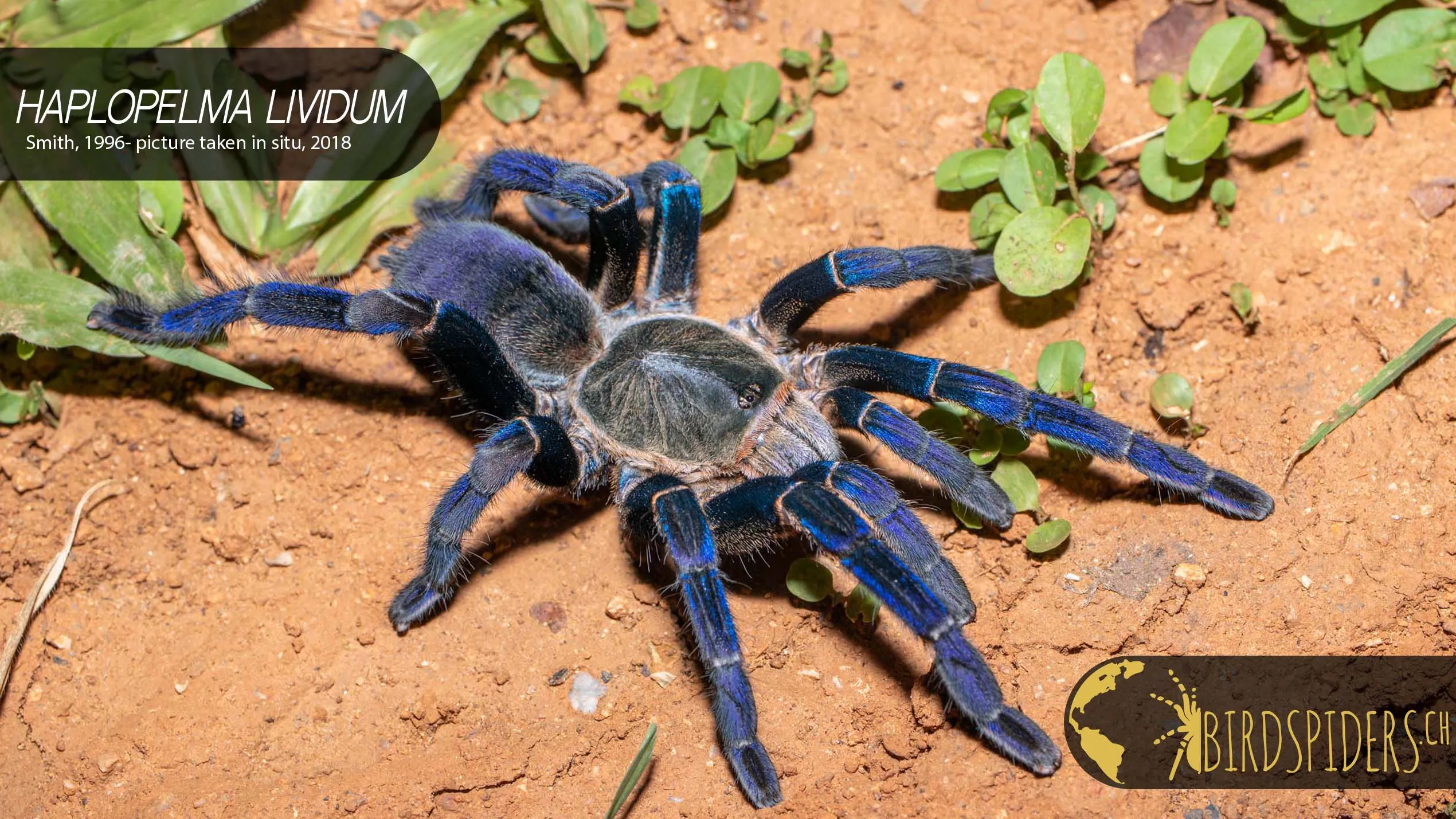
What Does a Cobalt Blue Tarantula Eat
The cobalt blue tarantula, a striking species known for its vibrant blue coloration, is a fascinating pet for many. One of the most important aspects of caring for a cobalt blue tarantula is understanding its dietary needs. In the wild, these tarantulas are opportunistic predators, feeding on whatever insects and small creatures they can overpower. As a pet, their diet is typically more controlled to ensure they receive proper nutrition and avoid the risks associated with wild-caught prey. This guide will delve into the top prey options for your cobalt blue tarantula, providing essential information to keep your pet healthy and thriving.
Crickets
Crickets are arguably the most common and readily available food source for cobalt blue tarantulas. They are easy to breed and maintain, making them a convenient option for tarantula keepers. Crickets provide a good source of protein, which is essential for the growth and development of your tarantula. When selecting crickets, it is important to choose appropriately sized ones that are not too large for your tarantula to handle. Always gut-load your crickets before feeding them to your tarantula.
Nutritional Value of Crickets

Crickets offer a decent nutritional profile, primarily composed of protein, along with some fats and carbohydrates. However, crickets alone may not provide a completely balanced diet. Gut-loading crickets before feeding enhances their nutritional value. Gut-loading involves feeding the crickets a nutritious diet, such as vegetables, fruits, and specialized cricket food, which the tarantula then consumes. This practice boosts the vitamin and mineral content of the crickets, ensuring your tarantula receives a more comprehensive diet.
How to Feed Crickets
Feeding crickets to your cobalt blue tarantula is a straightforward process. Place a few appropriately sized crickets into the tarantula’s enclosure. The number of crickets you feed will depend on the size and age of your tarantula. Remove any uneaten crickets after 24 hours to prevent them from stressing your tarantula or potentially harming it. Over time, you’ll get a sense of how many crickets your tarantula typically eats, adjusting the amount as needed. Monitoring your tarantula’s abdomen size is also a good indicator of whether it is being fed appropriately.
Roaches
Roaches, particularly species like dubia roaches, are another excellent food source for cobalt blue tarantulas. Roaches are often considered a superior food choice to crickets due to their higher nutritional value and ease of care. They are less prone to escaping and don’t make the same chirping noise that crickets do, making them a quieter option for pet owners. Roaches also tend to live longer than crickets, reducing the frequency of having to purchase or breed new feeders.
Advantages of Feeding Roaches

Roaches offer several advantages over crickets. They are generally more nutritious, with a higher protein content and a better calcium-to-phosphorus ratio. This is particularly important for the healthy development of your tarantula’s exoskeleton. Roaches are also easier to manage within an enclosure, as they are less likely to escape or burrow, making them a less messy food option. Additionally, roaches have a longer lifespan than crickets, so they can be kept for longer periods, reducing the frequency of feeder insect purchases.
Roach Feeding Guidelines
Feeding roaches to your cobalt blue tarantula follows similar guidelines as feeding crickets. Choose roaches that are appropriately sized, and remove any uneaten roaches within 24 hours. The frequency of feeding depends on the tarantula’s age and size. A good rule of thumb is to feed juveniles two to three times a week, while adults can be fed once or twice a week. Always ensure that the roaches you feed are healthy and have been gut-loaded with nutritious food to maximize their nutritional value for your tarantula.
Mealworms
Mealworms are another readily available food source, though they are generally not recommended as the primary food for cobalt blue tarantulas. They can be included as part of a varied diet but should be used sparingly due to their high-fat content and relatively low nutritional value compared to crickets and roaches. Mealworms can be a convenient option for occasional treats or when other feeders are unavailable. Always choose healthy mealworms that are free of parasites or diseases.
Mealworm Nutrition

Mealworms are high in fat and relatively low in other essential nutrients compared to crickets and roaches. While they offer a source of protein, their nutritional profile isn’t as balanced, and a diet primarily consisting of mealworms can lead to health issues such as obesity and molting problems. If you decide to feed mealworms, it’s crucial to offer them in moderation and supplement your tarantula’s diet with other more nutritious prey options.
Feeding Mealworms
When feeding mealworms, offer only a few at a time. Remove any uneaten mealworms promptly to prevent them from burrowing into the substrate or stressing your tarantula. The frequency with which you feed mealworms should be lower than with other prey, perhaps once every week or two, depending on your tarantula’s size and dietary needs. Gut-loading mealworms is difficult, but you can dust them with calcium and vitamin supplements before feeding them to your tarantula.
Other Potential Prey
Besides the main prey options, there are a few other types of feeders you can occasionally consider for your cobalt blue tarantula. These should generally be offered as treats or supplements rather than the primary food source. Variety in your tarantula’s diet can help ensure it receives a broader range of nutrients and keeps its feeding experience interesting. Ensure that any alternate food sources are of high quality and appropriately sized.
Waxworms

Waxworms are another feeder option, similar to mealworms, that are high in fat. They should be used sparingly due to their poor nutritional profile. They can be offered occasionally as a treat but should not be a regular part of your tarantula’s diet. Overfeeding waxworms can lead to health issues.
Pinky Mice
Pinky mice (baby mice) can be offered to larger, adult cobalt blue tarantulas. However, they should be given infrequently, as they are high in fat and can lead to health problems if fed too often. Always offer pinky mice only to adult tarantulas, and ensure the mouse is appropriately sized. Monitor your tarantula’s weight and overall health closely if you choose to feed pinky mice.
Prey Size Considerations
One of the most important factors in determining what to feed your cobalt blue tarantula is the size of the prey. Offering prey that is too large can stress or even injure your tarantula, while prey that is too small may not be worth the effort for the tarantula to hunt. Carefully consider the size of your tarantula when selecting and offering food. A good rule of thumb is to ensure the prey is no larger than the tarantula’s body size (excluding legs).
Matching Prey to Tarantula Size

For spiderlings (young tarantulas), small crickets or mealworms are ideal. As the tarantula grows, you can gradually increase the size of the prey. Sub-adult and adult cobalt blue tarantulas can eat larger crickets, roaches, and, in some cases, pinky mice. Always observe your tarantula during feeding to ensure it is able to capture and consume the prey without difficulty. If the prey appears too large, it’s best to remove it and try a smaller option at the next feeding.
Avoiding Overfeeding
Overfeeding is a common mistake among tarantula keepers. It can lead to obesity, which can affect the tarantula’s mobility and overall health. A well-fed tarantula should have a slightly rounded abdomen, not a significantly bloated one. The frequency of feeding and the amount of food offered should be adjusted based on the tarantula’s age, size, and activity level. If your tarantula stops eating or refuses food, it may be a sign it is ready to molt or that it has had enough to eat.
Prey Acquisition & Storage
The final aspect of feeding your cobalt blue tarantula is sourcing and storing the prey. The quality and availability of prey can greatly impact your tarantula’s health and well-being. Proper acquisition and storage practices will ensure you have a consistent supply of healthy feeders and reduce the risk of introducing pests or diseases to your tarantula’s enclosure.
Sourcing Quality Prey
When acquiring prey, opt for reputable sources. Local pet stores specializing in reptiles and invertebrates are often a good starting point. Ensure that the feeders are active, healthy, and free from any signs of disease or parasites. Avoid purchasing feeders from sources that appear unsanitary or where the insects look unhealthy. If you’re purchasing online, read reviews and check for guarantees on the quality and health of the feeders.
Prey Storage Tips
Proper storage of your prey is crucial for keeping them healthy and extending their lifespan. Crickets and roaches should be kept in well-ventilated containers with appropriate food and water. For crickets, provide cricket food and a water source, such as a water gel or a shallow dish with a sponge. Roaches thrive in a similar setup, with access to roach food and fresh water. Ensure the storage containers are kept clean to prevent the build-up of waste and prevent disease. Mealworms can be kept in a container with oats or bran, while waxworms should be stored in the refrigerator to slow their development.
Conclusion
Providing the right prey is vital for maintaining the health and vitality of your cobalt blue tarantula. By understanding the best food options, prey size considerations, and acquisition and storage practices, you can ensure that your tarantula receives the nutrition it needs to thrive. Crickets, roaches, and mealworms, each with their own pros and cons, can be part of a balanced diet. Remember to prioritize quality, nutrition, and moderation, and your cobalt blue tarantula will reward you with its stunning beauty and fascinating behaviors for years to come.