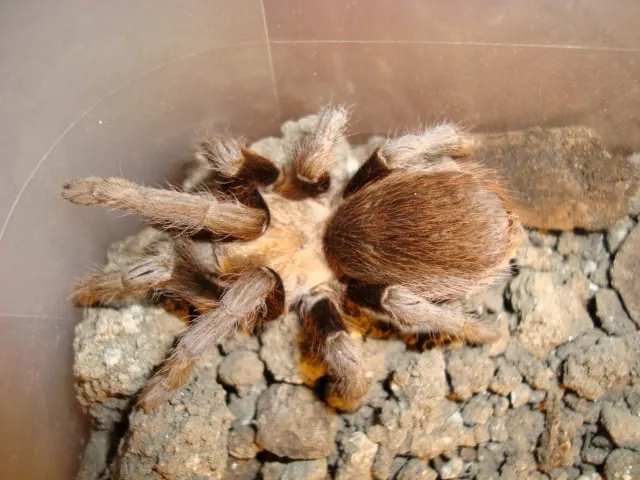
What is the Colorado Tarantula Migration?
The Colorado Tarantula Migration is a remarkable natural phenomenon where thousands of tarantulas, primarily the Oklahoma brown tarantula (Aphonopelma hentzi), embark on a journey across the grasslands of southeastern Colorado. This annual event typically occurs during the late summer and early fall, with peak activity in September and October. The migration is driven by the tarantulas’ mating rituals. As the males mature, they leave their burrows in search of receptive females. These spiders, known for their impressive size and hairy appearance, become very active during this period, often traveling significant distances in search of a mate. The migration is a spectacle that draws nature enthusiasts and photographers, offering a unique opportunity to observe these fascinating creatures in their natural habitat. It is a crucial part of their life cycle, ensuring the continuation of the species.
The Prime Time for Tarantula Migration
The best time to witness the Colorado Tarantula Migration is generally from late August through October. The peak activity usually falls within September, when the weather conditions are most favorable. The timing of the migration is heavily influenced by the weather, including temperature and rainfall. Warm, humid evenings often trigger increased tarantula activity, making this the ideal time to observe the spiders. Early mornings and late evenings are also prime times to spot the tarantulas, as they are most active during these cooler periods. Therefore, planning a trip during this window offers the best chances to see this impressive natural display. Keep an eye on local weather forecasts, as warmer temperatures and occasional rainfall can create optimal conditions.
Where to Find the Tarantula Migration in Colorado?

The Colorado Tarantula Migration primarily occurs in the grasslands and plains of southeastern Colorado. This region provides the ideal habitat for these spiders, with vast open spaces and suitable burrowing grounds. Several counties are known hotspots for the migration, including Pueblo County, Otero County, and Las Animas County. These areas offer the best opportunities for spotting the tarantulas. The specific routes taken by the tarantulas can vary from year to year. The most consistent sightings occur along certain roadways and open fields. Public lands like the Comanche National Grassland are also excellent places to explore. When planning a viewing trip, it’s advisable to consult local resources and recent reports from other observers, as tarantula activity can be very localized.
Key Locations to Observe Tarantula Migration
Several key locations in southeastern Colorado are particularly renowned for offering prime viewing opportunities during the tarantula migration. The roads around La Junta, near the Arkansas River, are known hotspots, with many tarantulas often seen crossing the roads. Another popular area is the Comanche National Grassland, where vast open spaces provide excellent chances to observe the spiders in their natural habitat. Roads near towns such as Pueblo and Walsenburg also offer good chances for sightings, though visitors should always exercise caution and be aware of traffic when exploring along roadsides. The best locations are often those that are less developed, offering expansive grasslands and minimal human interference. Remember to respect the wildlife and the environment when visiting these areas and avoid any actions that may harm or disturb the tarantulas.
Best Spots for Tarantula Migration Viewing
For the best viewing experience during the Colorado Tarantula Migration, consider visiting specific spots that offer unique advantages. Roadside pull-offs along country roads often provide clear views of the tarantulas crossing. Carefully park your vehicle at safe locations, ensuring that you are not blocking traffic or obstructing visibility. Hiking trails within the Comanche National Grassland also offer fantastic opportunities to see the tarantulas, but be mindful of your surroundings and wear appropriate footwear. Certain elevated areas provide panoramic views of the grasslands, which can make spotting the spiders easier. Remember to bring binoculars and a camera to enhance your viewing experience. If possible, go with a local guide. The most rewarding experiences typically combine proper planning with a degree of patience and respect for the environment.
What Do Tarantulas Eat During Migration?

During the Colorado Tarantula Migration, the male tarantulas have a singular focus: finding a mate. Consequently, they are not actively hunting or eating. Their primary objective is to locate a receptive female, which can involve extensive travel over several weeks. During this time, the males rely on the energy reserves they have built up prior to the migration. They can survive for an extended period without food, as their primary task is to reproduce. The males’ bodies undergo significant changes during the migration, which makes it difficult to engage in hunting. After mating, the males often die, having completed their life’s purpose. The females, on the other hand, continue to hunt and feed, preparing to lay their eggs.
The Migration’s Impact on the Ecosystem
The Colorado Tarantula Migration plays a significant role in the ecosystem. The presence of these spiders provides a food source for various predators, including birds of prey, coyotes, and other larger animals. The tarantulas are an important part of the food chain, affecting the population dynamics of both prey and predators. Their burrows also impact the soil structure and aeration, indirectly influencing the health of the grasslands. While the tarantulas can be preyed upon, they are also predators that keep insect populations in check. Overall, the migration helps to maintain the balance of the ecosystem. The ecological impact of the tarantula migration showcases how even seemingly small creatures can have a significant impact on their environment.
How Long Does the Migration Last?
The Colorado Tarantula Migration typically lasts for several weeks, spanning from late August through October. The peak activity usually occurs during September. The duration depends on several factors, including weather conditions, the mating success of the tarantulas, and the specific location. The males’ journeys often last until they successfully mate or succumb to environmental factors or predators. The migration’s length can vary slightly from year to year. Warmer and more humid weather can cause a longer active period. Observing the tarantula migration is an amazing event that has an impact on the overall ecosystem and its duration is key to understanding the dynamics of their lifecycle. It is an important part of their reproductive cycle, ensuring the species’ survival.
Threats and Conservation Efforts

While the Colorado Tarantula Migration is a naturally occurring event, these tarantulas face several threats. Habitat loss due to development and changes in land use is a growing concern. Pesticide use can also negatively impact tarantula populations by affecting their prey and directly harming the spiders. Conservation efforts are crucial to protect the tarantulas and their habitat. Support for protected areas, such as the Comanche National Grassland, is essential. Promoting responsible tourism and educating the public about the importance of these creatures helps to raise awareness. Encouraging sustainable land management practices and minimizing pesticide use are also crucial steps. Conservation efforts also require ongoing monitoring to assess population trends and detect any emerging threats. By working together, we can ensure this captivating migration continues for generations to come.