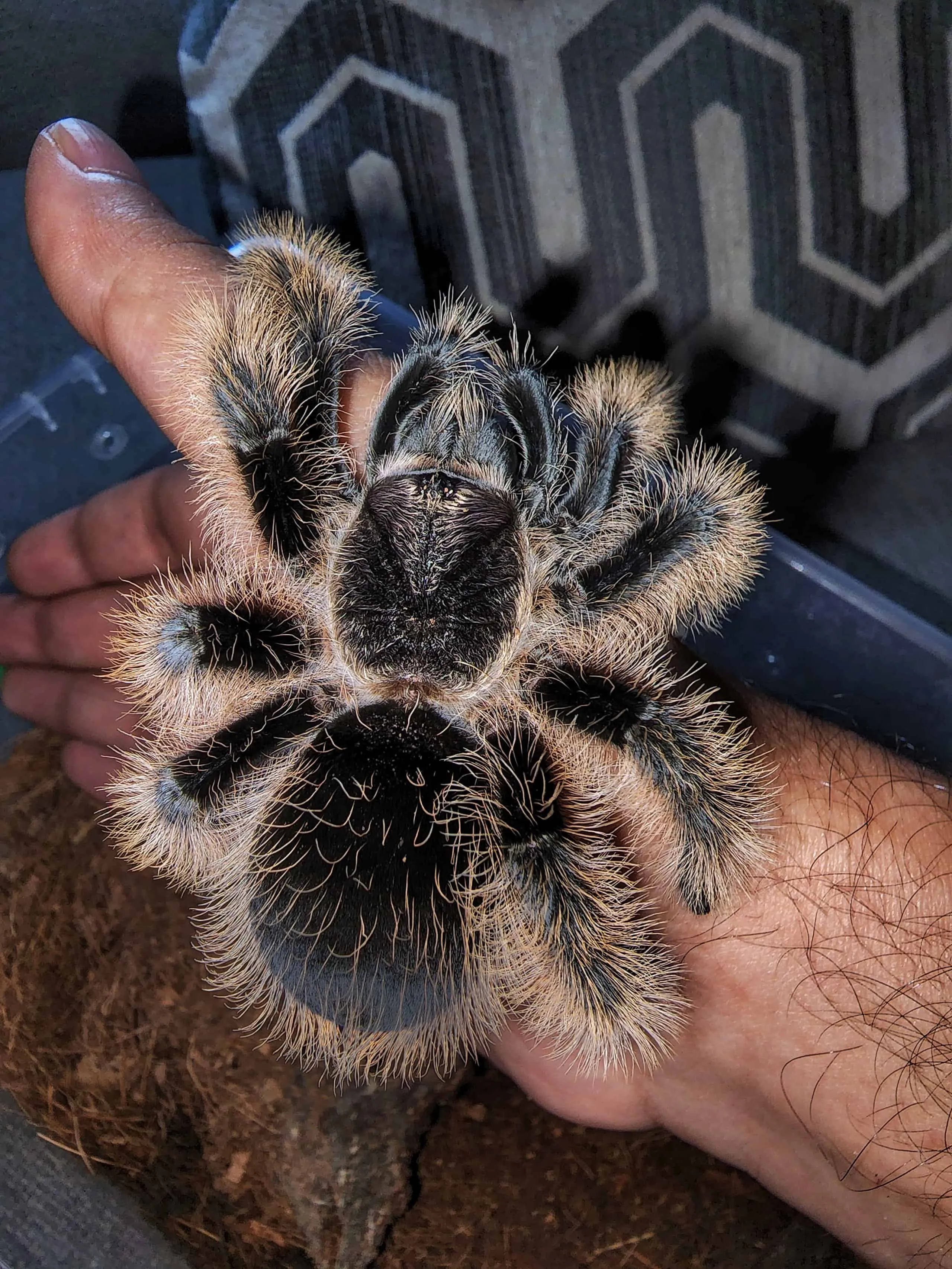
Understanding the Curly Hair Tarantula
The Curly Hair Tarantula (Tliltocatl albopilosus), is a popular choice for both beginner and experienced tarantula keepers. Known for its docile nature and striking appearance, this species hails from the tropical dry forests of Costa Rica. This comprehensive guide, “Curly Hair Tarantula Care 101,” provides you with essential knowledge and tips to ensure your tarantula thrives. From setting up the perfect habitat to understanding its unique needs, we’ll cover everything you need to know to provide your eight-legged friend with a happy, healthy life. This guide is designed to be a valuable resource for any current or prospective Curly Hair Tarantula owner.
Origin and Habitat
Understanding the natural habitat of the Curly Hair Tarantula is crucial for replicating its ideal living conditions. In the wild, they are native to the tropical dry forests of Central America, specifically Costa Rica. They are terrestrial spiders, spending most of their time on the ground or in burrows. They thrive in warm, humid environments with plenty of leaf litter and hiding places. Replicating these conditions in captivity is the key to a happy and healthy tarantula. This involves providing the right temperature, humidity, and substrate to mimic their natural environment. This will encourage natural behaviors and reduce stress.
Appearance and Characteristics

The Curly Hair Tarantula is immediately recognizable due to its distinct appearance. They are typically dark brown to black, and their bodies are covered in dense, curly hairs that give them their name. These hairs aren’t just for show they also serve as a defense mechanism. When threatened, the tarantula can flick these urticating hairs, causing irritation to potential predators. They are relatively large spiders, with females often reaching a leg span of up to 6 inches. They have a calm temperament, making them ideal for beginners. Their lifespan is also relatively long compared to other tarantula species.
Setting Up Your Curly Hair Tarantula’s Habitat
Creating a suitable habitat is paramount for the well-being of your Curly Hair Tarantula. A well-designed enclosure provides security, encourages natural behaviors, and regulates the necessary environmental conditions. Consider your tarantula’s needs and preferences when setting up its home. The enclosure should be a safe and enriching environment that mimics its natural habitat, allowing it to thrive. A comfortable enclosure reduces stress, which is critical to the health and well-being of your tarantula. Incorrect setups can lead to various health issues, including difficulties during molting or a shortened lifespan.
Enclosure Size and Type
The size of the enclosure should correspond to the size of your tarantula. A good rule of thumb is to provide an enclosure that is at least twice the leg span of the tarantula in width and length and tall enough to prevent falls. For juveniles, a small deli cup or a similar container is sufficient. As your tarantula grows, you’ll need to upgrade to a larger enclosure. Glass terrariums with secure lids or plastic reptile enclosures are excellent options. Ensure that the enclosure has good ventilation but is escape-proof. Avoid enclosures with too much open space, as this can stress your tarantula.
Substrate and Decor

The substrate is the bedding material that lines the bottom of the enclosure. It should be deep enough for the tarantula to burrow, which is a natural behavior. A good substrate for a Curly Hair Tarantula is a mix of coconut fiber, peat moss, and a little bit of vermiculite. This mixture retains moisture well and provides a surface that the tarantula can easily navigate and burrow in. Add some decorations such as cork bark, artificial plants, or driftwood to provide hiding places and enrich the environment. These additions help the tarantula feel secure and less exposed. Ensure the decor is stable and does not pose a risk of injury.
Temperature and Humidity
Curly Hair Tarantulas thrive in temperatures between 75-85°F (24-29°C). Maintaining a consistent temperature is vital for their health. Use a heat mat or a low-wattage heat lamp to keep the enclosure warm. Ensure the heat source doesn’t directly touch the substrate to prevent burns. Humidity levels should be maintained between 65-75%. Use a hygrometer to monitor humidity levels. You can maintain humidity by misting the enclosure with water every few days, depending on the ventilation and substrate type. Ensure proper ventilation to avoid mold growth and the buildup of excess humidity. Consistent monitoring of these environmental conditions is essential for keeping your tarantula healthy.
Feeding Your Curly Hair Tarantula
Feeding your Curly Hair Tarantula appropriately is crucial for its health and growth. They are opportunistic feeders, meaning they will eat almost any insect they can catch. Proper feeding practices include choosing the right food items and setting a feeding schedule that meets the tarantula’s needs. Overfeeding can lead to obesity and health problems, while underfeeding can stunt growth. You must also consider the size of the prey items relative to the size of your tarantula. The nutritional content of the prey is also vital to maintaining a healthy spider.
Diet and Frequency

The primary diet for a Curly Hair Tarantula should consist of insects, such as crickets, mealworms, and roaches. These insects should be gut-loaded with nutritious food before feeding them to your tarantula, which means feeding the insects nutritious food for 24 hours before you feed them to the tarantula. The feeding frequency depends on the age of the tarantula. Spiderlings should be fed every other day, while adults can be fed once or twice a week. Remove any uneaten food within 24 hours to prevent mold and mites. Adjust the feeding schedule depending on the tarantula’s appetite and body condition. Overfeeding can be as detrimental as underfeeding.
Water and Hydration
Providing clean water is essential for your Curly Hair Tarantula’s hydration. Use a shallow water dish that is easily accessible. The water dish should be shallow to prevent drowning, especially for smaller spiderlings. Fill the water dish with fresh, clean water regularly, usually every few days. Alternatively, you can use a water gel, which reduces the risk of drowning and can provide a consistent moisture source. Monitor the water dish for any debris or buildup of substrate and clean it as needed. Proper hydration is critical for molting and overall health. Ensure a readily available water source at all times.
Handling and Interaction
While the Curly Hair Tarantula is known for its docile nature, handling should be approached with caution. These tarantulas are generally considered less aggressive than some other species, but they can still bite if they feel threatened. Understanding safe handling practices and recognizing stress signals is vital to ensure both the tarantula’s and your well-being. Interactions should be limited to reduce stress and promote a safe and positive experience for both you and your pet. Overhandling can lead to a stressed tarantula.
Safe Handling Practices

If you choose to handle your Curly Hair Tarantula, do so with care. Always approach the tarantula slowly and gently. Avoid sudden movements that might startle it. Handle the tarantula over a soft surface, such as a bed or a carpet, to minimize the risk of injury if it falls. Never try to grab or force the tarantula to move. Instead, gently coax it onto your hand. Wash your hands before and after handling to prevent the transfer of any substances. Be patient and respect the tarantula’s boundaries. Observe the tarantula’s behavior to gauge its comfort level.
Recognizing Stress Signals
Understanding the signs of stress in your Curly Hair Tarantula is vital for its well-being. Some common stress signals include defensive postures, such as rearing up or raising their front legs, or flicking their urticating hairs. The tarantula might also try to escape or hide in its burrow. If you notice these behaviors, it’s best to leave the tarantula alone and allow it to calm down. Never force interaction if the tarantula shows signs of stress. Create a secure environment for the tarantula, where it feels safe and comfortable. Regular observation of its behavior can help you identify any underlying issues.
Health and Common Issues
Like any pet, Curly Hair Tarantulas can experience health problems. However, with proper care, these issues can often be prevented or treated. Understanding the common health problems and recognizing the signs is essential for timely intervention. Regular monitoring of your tarantula’s health can help catch any issues early. Create a health care routine which includes regular inspections of the enclosure, diet, and the tarantula’s physical condition. This will help in identifying any potential issues early and keeping your tarantula healthy and happy.
Shedding and Molting

Molting is a natural process in which tarantulas shed their exoskeletons to grow. This process is essential for growth and health. Young tarantulas molt more frequently than adults, usually every few months. During molting, the tarantula will typically lie on its back. Do not disturb the tarantula during this process. Provide adequate humidity to help the tarantula shed its exoskeleton properly. After molting, the tarantula’s new exoskeleton will be soft and vulnerable. Avoid handling or feeding the tarantula until its exoskeleton hardens, usually a week or so. The molting process varies with each spider.
Common Health Problems and Solutions
Common health issues include fungal infections, mite infestations, and injuries. Fungal infections can be prevented by maintaining proper humidity levels and ensuring good ventilation in the enclosure. Mites can be introduced through the substrate or live prey. Quarantine new arrivals and inspect them for signs of mites. Injuries can occur from falls or from being bitten by prey. Prevent injuries by providing a safe and secure enclosure and feeding your tarantula appropriately sized prey. If you notice any health problems, consult with an experienced tarantula keeper or a veterinarian familiar with exotic animals. The best approach is prevention.
Breeding and Reproduction
Breeding Curly Hair Tarantulas can be a rewarding experience, but it requires specialized knowledge and careful planning. This process involves understanding the tarantula’s mating behavior, preparing the breeding environment, and providing proper care for the eggs and spiderlings. Breeding should only be undertaken by experienced keepers. The health and well-being of the tarantulas should be the top priority. Understanding the full process will give you a better chance of success, allowing for a responsible and ethical breeding process.
Identifying Sex

Identifying the sex of your Curly Hair Tarantula is a critical step in the breeding process. The most reliable way to determine the sex is by examining the molt. After a molt, the exuviae (shed exoskeleton) can be examined under magnification to look for the presence of spermathecae (female) or hooks on the front legs (male). These characteristics are easily visible under magnification. Alternatively, you can use a bright light to examine the underside of the tarantula, as females often have a more prominent epigastric furrow. The differences are subtle and can be difficult for beginners. Getting an experienced keeper to help or a professional examination is recommended.
Breeding Process Overview
Breeding Curly Hair Tarantulas is a delicate process. First, the female must be well-fed and healthy. Introduce the male tarantula to the female’s enclosure, ideally when the female is receptive. The male will often drum on the substrate to attract the female’s attention. The actual mating process can be brief, often lasting only a few minutes. The female will then lay her eggs in a silk sac, which she will protect and care for. After the eggs hatch, the spiderlings will go through several molts before they become independent. Provide appropriate care for the spiderlings, including small food items and a suitable environment. The successful breeding of Curly Hair Tarantulas requires dedication.
Conclusion
Caring for a Curly Hair Tarantula can be a highly rewarding experience. These fascinating creatures offer a unique opportunity to learn about the world of arachnids. By understanding their needs, providing the right environment, and practicing responsible handling, you can ensure a happy and healthy life for your tarantula. This “Curly Hair Tarantula Care 101” guide is a starting point. Remember to continue learning and stay informed about the latest tarantula care practices. With a little care and attention, your Curly Hair Tarantula can be a wonderful pet for many years to come. Enjoy the journey of owning a Curly Hair Tarantula!