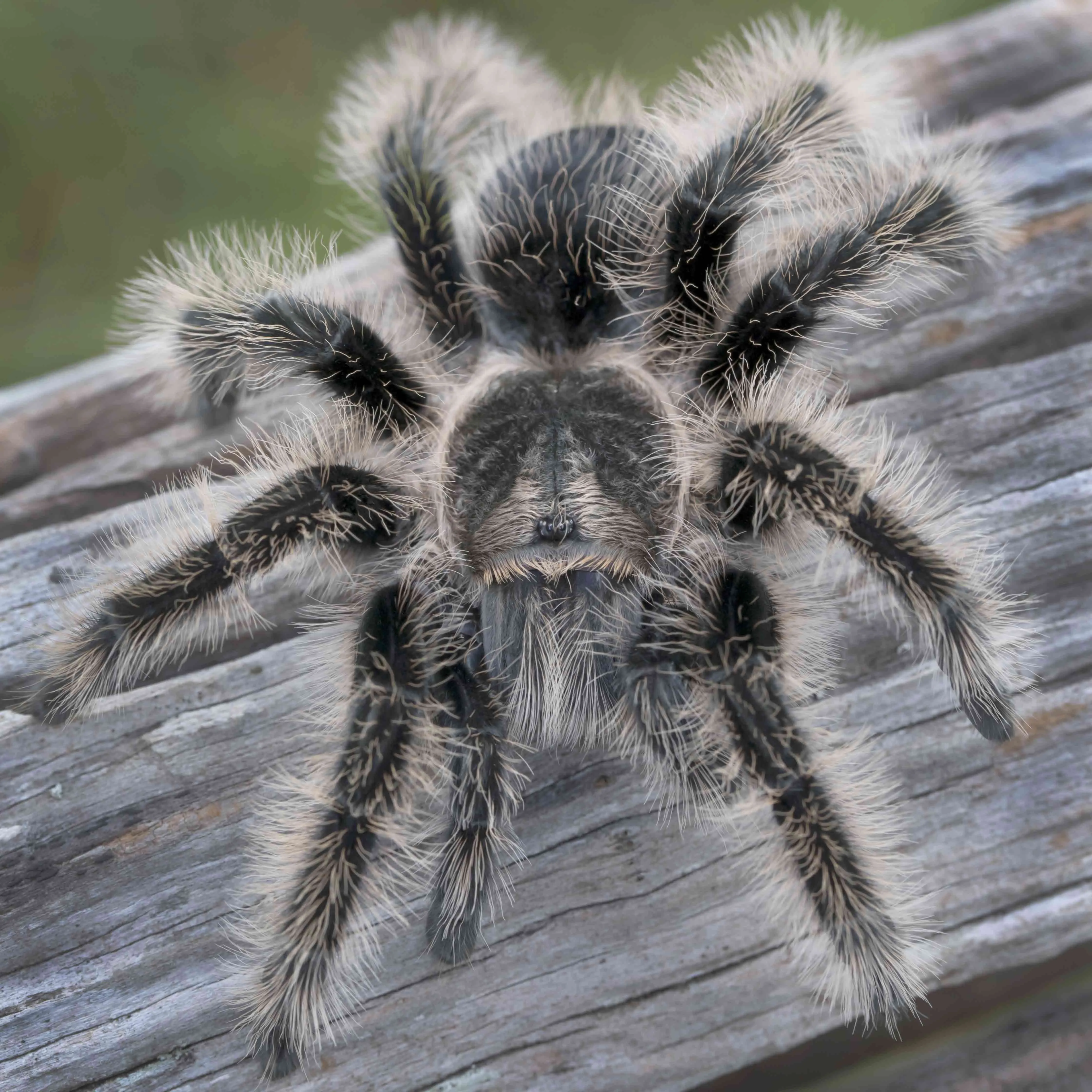
What to Feed Your Curly Hair Tarantula
The Curly Hair Tarantula (Tliltocatl albopilosus) is a popular pet due to its docile nature and striking appearance. Providing the correct diet is essential for the health and longevity of these fascinating creatures. A well-balanced diet mimics their natural feeding habits in the wild, ensuring they receive all the necessary nutrients. This guide provides a detailed look into the top 5 foods you can feed your Curly Hair Tarantula to keep it thriving. Remember that providing variety and adjusting the diet based on the tarantula’s growth stage and overall health is key to successful tarantula keeping. Always source your feeders from reputable suppliers to avoid parasites and diseases.
Crickets as a Staple
Crickets are a staple food for Curly Hair Tarantulas, forming the base of a nutritious diet. They are readily available, relatively easy to care for, and provide a good source of protein, which is crucial for the tarantula’s growth and development. Crickets should be the primary food source, offering a consistent supply of nutrients. They are also easy to acquire, which makes it convenient to feed your tarantula regularly. The live movement of crickets also stimulates the tarantula’s hunting instincts, providing mental enrichment.
Nutritional Value of Crickets

Crickets are rich in protein, an essential nutrient for tarantulas to grow and molt successfully. They also contain chitin, which aids in the formation of the tarantula’s exoskeleton. However, crickets can be relatively low in certain nutrients. That’s why it’s essential to supplement their diet with other food items and to gut-load the crickets before feeding them to your tarantula. Gut-loading involves feeding the crickets nutritious foods, such as fruits, vegetables, and commercial cricket feed, to increase their nutritional value.
How to Prepare Crickets
Before feeding crickets to your Curly Hair Tarantula, it’s important to prepare them. First, gut-load the crickets by feeding them a nutritious diet for at least 24 hours before offering them to your tarantula. This ensures that your tarantula receives a more balanced meal. Second, remove any uneaten crickets from the enclosure after 24 hours, as they can stress your tarantula. They also may bite your tarantula. Finally, choose crickets that are appropriately sized for your tarantula. A general rule is to offer crickets no larger than the tarantula’s body length.
Roaches as a Supplemental Food
Roaches, such as Dubia roaches, are an excellent supplemental food source for Curly Hair Tarantulas. They offer a more balanced nutritional profile compared to crickets, providing higher levels of protein and other essential nutrients. They also have a longer lifespan than crickets, making them a more convenient food source. When provided with proper care, roaches are also a great source of enrichment and can be more appealing to some tarantulas than crickets. Always ensure your roaches are healthy and free from any diseases or parasites.
Benefits of Roaches

Roaches provide a wider range of nutrients than crickets, including higher protein and a more favorable calcium-to-phosphorus ratio, which supports healthy exoskeleton development. They are also less likely to escape from the enclosure and are generally cleaner than crickets. Additionally, roaches tend to be less active than crickets, which can be beneficial for tarantulas that may be easily stressed. Their slower movement may also make them easier to catch for your tarantula.
Types of Roaches
Dubia roaches and discoid roaches are the most commonly used types of roaches for feeding tarantulas. Dubia roaches are especially popular because they are not able to climb smooth surfaces, making them less likely to escape. Both types are nutritious and relatively easy to breed, providing a sustainable food source for your Curly Hair Tarantula. Be careful with the species you select, some can be pests if they escape.
Mealworms as a Treat
Mealworms can be offered as an occasional treat for Curly Hair Tarantulas. They are readily available and easy to store, making them a convenient option. However, mealworms are relatively high in fat and low in protein, so they should not be the primary food source. Offering them too frequently can lead to your tarantula becoming overweight and may cause health issues. It is important to vary the diet and provide different food options to stimulate your tarantula’s appetite and ensure a balanced intake of nutrients.
Nutritional Value of Mealworms

Mealworms are not as nutritionally complete as crickets or roaches, with a higher fat content and lower protein content. They also have a hard exoskeleton that can be difficult for tarantulas to digest. It’s essential to gut-load mealworms before feeding them to your tarantula. Feeding mealworms a nutritious diet helps to increase their vitamin and mineral content, thus improving the nutritional value for your tarantula. This can reduce the chances of your tarantula having digestive issues.
How to Feed Mealworms
When feeding mealworms, offer only a few at a time. Remove any uneaten mealworms from the enclosure within 24 hours to prevent them from burrowing or stressing your tarantula. Offer them as a treat, perhaps once a week or every other week. The appropriate size of the mealworm is also essential. A good rule of thumb is the size of the mealworm shouldn’t be larger than the tarantula’s body.
Other Food Options
While crickets, roaches, and mealworms form the core of a Curly Hair Tarantula’s diet, other food options can be used to add variety and ensure a balanced diet. These options should be used sparingly or as treats, as they can lead to nutritional imbalances if fed exclusively. Rotating the food source is a good way to enrich the diet and maintain the tarantula’s interest. This helps to ensure that they receive a wide range of nutrients essential for health and development. Always be sure to source any alternative food options from a reputable source.
Pinky Mice

Pinky mice (baby mice) can be offered to adult Curly Hair Tarantulas as an occasional treat. They are high in protein, which can be beneficial for breeding females or tarantulas that are in need of extra nutrients. However, pinky mice are high in fat, so they should not be offered frequently. Overfeeding pinky mice can lead to health problems, such as obesity and difficulty molting. Offer only one pinky mouse every few months, and monitor your tarantula’s condition to ensure it remains healthy.
Pros and Cons of Pinky Mice
Pinky mice provide a significant amount of protein and can be a good source of enrichment for some tarantulas. However, they also carry a risk of disease and are high in fat. Before offering a pinky mouse, it is critical to ensure the mouse is sourced from a reputable supplier to minimize the risk of parasites or diseases. Pinky mice may also be difficult for some tarantulas to digest. Their high fat content can lead to obesity and other health issues if fed too often.
Other Insects
Other insects, such as grasshoppers and locusts, can also be offered to Curly Hair Tarantulas as treats. These insects offer different nutritional profiles compared to crickets and roaches, providing additional variety to the diet. You must ensure that any wild-caught insects are free from pesticides or other harmful substances. They are a good option for enrichment. The tarantula will have to hunt to obtain the meal.
Prey Size Matters

The size of the prey is a critical factor in ensuring your Curly Hair Tarantula’s health and well-being. Feeding prey that is too large can stress the tarantula and potentially cause injury during the hunting process. On the other hand, prey that is too small may not provide enough nutrients to meet the tarantula’s dietary needs. Correct prey size promotes healthy growth, successful molting, and the overall well-being of the tarantula. It also contributes to the natural hunting behaviors.
Appropriate Prey Size
A general rule of thumb is to feed prey no larger than the body length of your Curly Hair Tarantula. For example, if your tarantula’s body is 1 inch long, the prey should be no larger than 1 inch. Adjust the prey size according to the age and size of the tarantula. Spiderlings and young tarantulas will require smaller prey, such as pinhead crickets or small mealworms. As they grow, you can gradually increase the size of the prey. It is important to monitor your tarantula’s feeding response and adjust the prey size accordingly.
Overfeeding and Underfeeding
Both overfeeding and underfeeding can have negative consequences for your Curly Hair Tarantula. Overfeeding can lead to obesity, making it difficult for the tarantula to molt successfully and increasing the risk of health problems. Underfeeding, on the other hand, can stunt growth, weaken the tarantula, and make it more susceptible to disease. Monitoring your tarantula’s feeding habits and adjusting the diet accordingly is crucial for maintaining its health. Pay attention to the tarantula’s abdomen size and feeding response, and adjust the feeding frequency as needed.
In conclusion, providing a balanced and varied diet is paramount for the health and happiness of your Curly Hair Tarantula. By understanding the nutritional needs of these fascinating creatures and offering a range of appropriate foods, you can ensure your tarantula lives a long, healthy, and fulfilling life. Remember to prioritize staple foods like crickets and roaches, offer treats in moderation, and always monitor your tarantula’s feeding habits. Proper care includes not only the right food, but also the right environment to provide the best possible life for your pet.