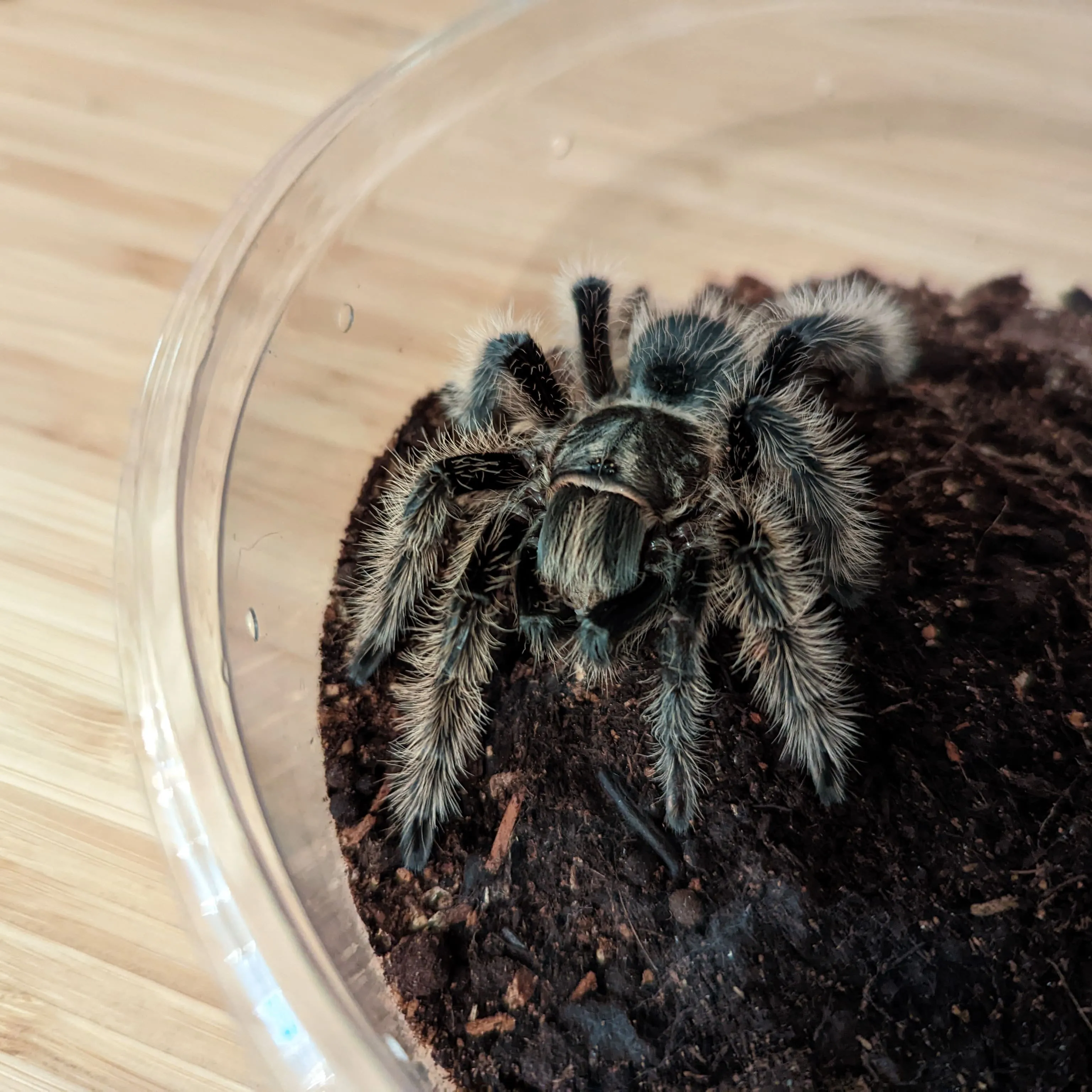
What is a Curly Hair Tarantula Male?
The Curly Hair Tarantula (Tliltocatl albopilosus), often simply called the Curly Hair, is a popular pet tarantula species. Native to Costa Rica, this tarantula is known for its docile temperament and distinctive appearance. Males, in particular, exhibit fascinating characteristics throughout their lives. Understanding the key facts about a Curly Hair Tarantula male is crucial for anyone considering keeping one as a pet or simply interested in these captivating creatures. This article will delve into the top five facts about Curly Hair Tarantula males, covering everything from their appearance and behavior to their care requirements.
Appearance of the Curly Hair Tarantula Male
The most striking feature of the Curly Hair Tarantula male is its unique appearance. While both males and females share the characteristic curly hairs that give the species its name, males often exhibit subtle but noticeable differences. These hairs, which are actually modified setae, cover the body and legs, providing a distinctive fuzzy appearance. The coloration is typically a dark brown or black base, with golden or tan hairs interspersed throughout, creating a beautiful contrast. However, as they mature, males may experience a color shift.
Size and Coloration

Size and coloration play an important role in identifying a Curly Hair Tarantula male. Males tend to be slightly smaller than females, with a leg span that typically ranges from 4 to 5 inches. The overall body size is also comparatively smaller. In terms of coloration, males often become less vibrant and sometimes develop a more washed-out appearance as they approach maturity. The hairs might become less pronounced, and the overall body color may fade. This is often due to the molting process and the changes associated with sexual maturity.
Distinguishing Males from Females
Distinguishing between male and female Curly Hair Tarantulas is essential for proper care and breeding. The most reliable method is to examine the tarantula’s pedipalps and the presence of tibial hooks. Mature males have modified pedipalps, which are used for mating. These pedipalps will appear swollen and bulbous at the tips. They also develop tibial hooks on their front legs, which they use to secure the female’s fangs during mating to prevent themselves from being eaten. This characteristic is a clear indication of the male’s sexual maturity.
Lifespan Differences
Lifespan is another critical aspect when discussing Curly Hair Tarantula males. Unfortunately, males have a significantly shorter lifespan compared to females. While female Curly Hair Tarantulas can live for 10 to 20 years or even longer, males typically only live for 1 to 3 years after reaching maturity. This difference is due to the energy expenditure during mating and the physical toll of the molting process associated with achieving their adult form. Knowing this can help owners manage their expectations and provide appropriate care throughout the male’s life cycle.
Curly Hair Tarantula Male Key Behaviors

Mating and Molting
Mating behavior in Curly Hair Tarantulas is a fascinating process. Once a male reaches maturity, he will often become restless and start searching for a female. The male will create a sperm web, deposit his sperm, and then collect it with his pedipalps to store it. When he finds a receptive female, he will approach her carefully, often drumming on the ground or displaying other courtship behaviors. Molting is another critical behavior. During molting, the tarantula sheds its exoskeleton to grow, and this is a vulnerable time. Males molt to reach their mature form, which they do before mating.
Temperament and Handling
Curly Hair Tarantulas are generally known for their docile temperament, but handling should be approached with caution. Males may become more defensive during or after molting, and excessive handling can stress them. It is recommended to handle them as little as possible. If handling is necessary, do so close to the ground to prevent injury if the tarantula falls. Gentle and slow movements are key to ensuring their comfort. Observe their behavior carefully and return them to their enclosure if they show signs of stress, such as raising their front legs or flicking hairs.
Curly Hair Tarantula Male Health and Care

Habitat and Enclosure Setup
Providing the right habitat is essential for the well-being of a Curly Hair Tarantula male. A suitable enclosure should be a terrarium or plastic container that is appropriately sized for the tarantula’s leg span, allowing ample space for movement and burrowing. The enclosure should be well-ventilated but secure to prevent escape. Substrate is crucial and should consist of a mixture of coco fiber, peat moss, and vermiculite, providing both moisture retention and burrowing opportunities. Decorations, such as a hide or cork bark, should be included to create a secure environment for the tarantula.
Feeding and Diet
Feeding is a crucial part of caring for your Curly Hair Tarantula male. They are primarily insectivores and should be fed a diet consisting of appropriately sized insects, such as crickets, mealworms, and roaches. The size of the prey should be approximately the same size as the tarantula’s abdomen. Feed juveniles more frequently (every 2-3 days), and adults can be fed less often (every 5-7 days). Always remove uneaten prey to prevent stress on the tarantula. Providing a shallow water dish with fresh water is also essential.
Common Health Issues

Like any pet, Curly Hair Tarantula males can be susceptible to certain health issues. Dehydration can be a significant concern, so ensuring access to fresh water is crucial. Another issue is mites, which can infest the tarantula and its enclosure. Regular cleaning and proper substrate maintenance can help prevent this. Lastly, impaction, caused by eating too much substrate, is a risk, so it’s crucial to monitor the feeding process and prevent ingestion of the substrate.
Curly Hair Tarantula Male Frequently Asked Questions
What do they eat?
Curly Hair Tarantulas are insectivores. Their diet mainly consists of crickets, mealworms, and roaches. The size of the prey should be approximately the same size as the tarantula’s abdomen. Variety in the diet is also recommended, with occasional treats of other insects to provide nutritional diversity.
How often do they molt?

Molting frequency varies depending on age and feeding. Juveniles will molt more frequently, sometimes every few months, while adults molt less often, perhaps once a year or even less frequently. During molting, the tarantula will shed its exoskeleton, which is a vulnerable time for them.
Are they venomous?
Yes, Curly Hair Tarantulas are venomous, but their venom is not considered medically significant to humans. Bites are rare and are comparable to a bee sting. However, the urticating hairs can cause irritation if they come into contact with the skin or eyes, which is why caution should be exercised when handling the tarantula or cleaning its enclosure.
In conclusion, understanding these top 5 facts about the Curly Hair Tarantula male is vital for anyone looking to keep one as a pet. From its unique appearance and behavior to its specific care requirements, knowing these details ensures you can provide the best possible environment and care for your tarantula. By following the tips and information provided, you can enjoy the fascinating world of these amazing arachnids.