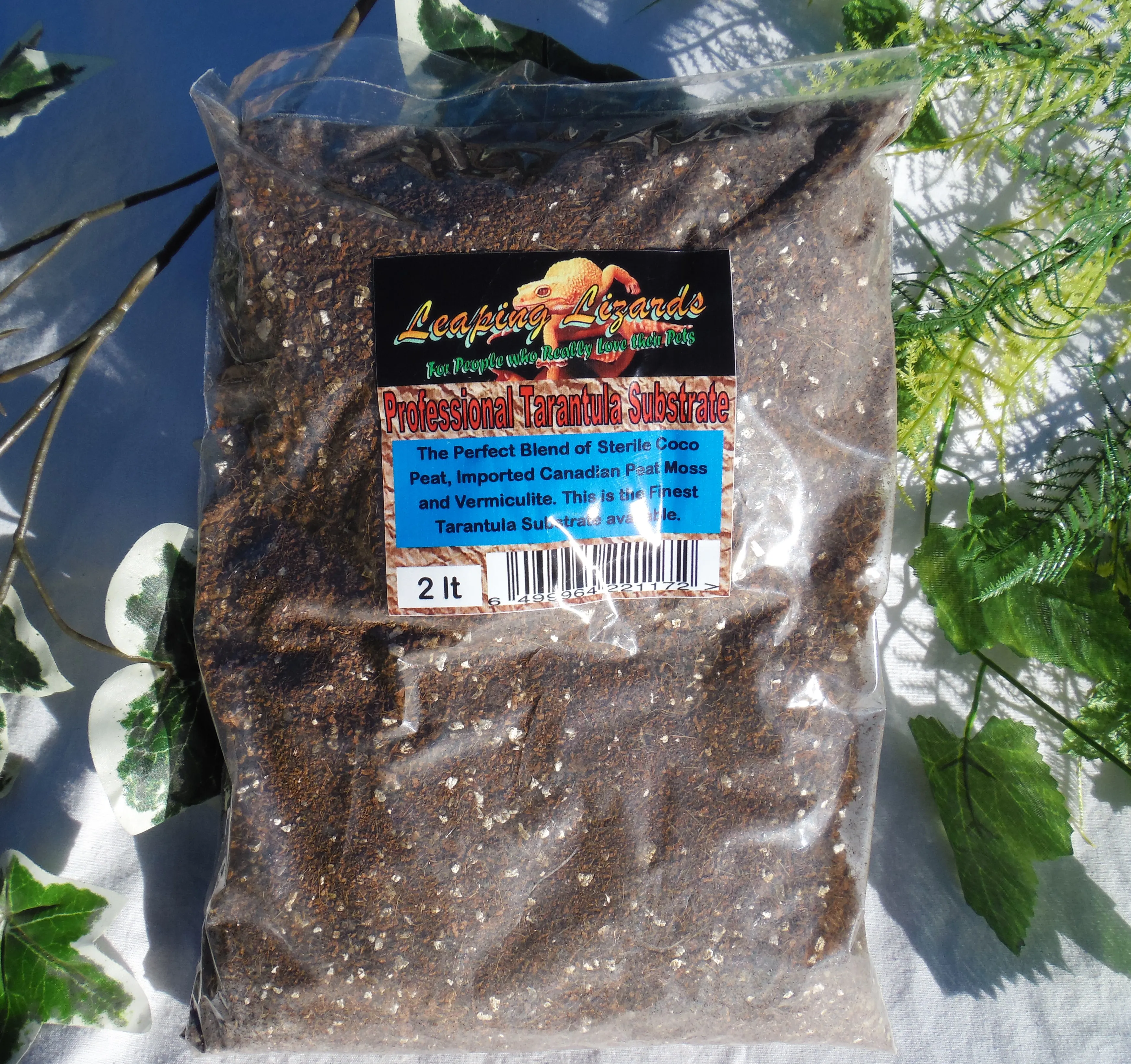
Choosing the Right Curly Hair Tarantula Substrate
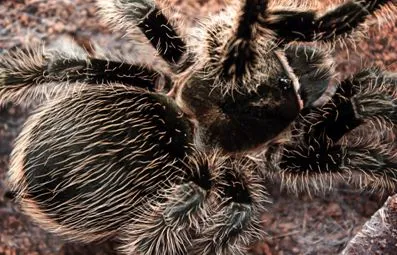
Choosing the right substrate is crucial for the health and well-being of your curly hair tarantula (Tliltocatl albopilosus). The substrate provides a foundation for their habitat, influencing humidity, burrowing, and overall comfort. A well-chosen substrate will help your tarantula thrive, promoting healthy molting and a stress-free environment. This guide will walk you through the essential factors and substrate options, helping you make an informed decision for your pet.
Understanding Curly Hair Tarantula Needs
Before selecting a substrate, it’s important to understand the specific needs of a curly hair tarantula. These tarantulas are terrestrial species, meaning they primarily live on the ground. They are native to the tropical regions, and their substrate needs to mimic their natural environment to ensure they are healthy and thriving. Consider these key factors to provide the best possible care for your pet. This involves understanding their burrowing behavior, humidity, and molting cycles.
Humidity Requirements

Curly hair tarantulas require moderate humidity levels, typically around 60-70%. The substrate plays a critical role in maintaining these levels. Substrates that retain moisture well are ideal for achieving and maintaining the required humidity. Regular misting and a shallow water dish will also help regulate humidity within the enclosure. Monitoring the humidity levels with a hygrometer is essential to ensure the environment is suitable for your tarantula.
Burrowing Behavior
Curly hair tarantulas are known to burrow, especially when they are young or feel threatened. The substrate should allow for this natural behavior. The substrate should be deep enough for burrowing, providing a safe and secure retreat for your tarantula. A substrate that packs well but isn’t too dense will encourage burrowing, allowing your tarantula to create its own microclimate within the enclosure. This is essential for their well-being and reducing stress.
Molting Considerations
Molting is a crucial process for tarantulas as they grow. The substrate provides a soft surface for molting. It’s important the substrate doesn’t have sharp edges or course textures, which could damage the tarantula’s delicate exoskeleton during this process. The substrate should also be clean and free of any contaminants that could interfere with the molt. Ensuring a suitable substrate will facilitate a successful molt and promote the health of your tarantula.
Substrate Options for Curly Hair Tarantulas
Several substrate options are suitable for curly hair tarantulas. Each has its advantages and disadvantages. Understanding these options will help you choose the best fit for your pet’s needs and your own preferences. Consider factors such as moisture retention, burrowing capabilities, and ease of maintenance when making your decision.
Coconut Fiber
Coconut fiber, also known as coco coir, is a popular substrate choice. It’s made from the husk of coconuts and is readily available in pet stores. It’s a good choice for many keepers due to its excellent moisture retention, natural look, and it is also environmentally friendly. It is often sold in compressed bricks that expand when water is added.
Pros and Cons
- Pros include excellent moisture retention, natural appearance, and is readily available.
- Cons include the potential for mold if over-saturated and can be dusty if not rinsed properly.
How to Use

Expand the compressed brick with water. Rinse thoroughly to remove excess dust. Add a layer of 3-4 inches to the enclosure. Mist regularly to maintain humidity. Replace when soiled or compacted. Check moisture levels frequently, and make sure you don’t over mist the enclosure.
Peat Moss
Peat moss is another option that can be used. It’s a natural, organic material that retains moisture well. It offers a similar aesthetic to coconut fiber but may have different properties in terms of pH and decomposition rate. Peat moss can be a good option but it may not be as readily available as some other substrates.
Pros and Cons
- Pros include good moisture retention and a natural look.
- Cons include it can be acidic and may compact over time.
How to Use

Moisten the peat moss before use. Add a layer of 3-4 inches to the enclosure. Mist regularly to maintain humidity. Monitor the pH levels and replace when needed.
Potting Soil
Plain, organic potting soil, without added fertilizers or pesticides, can be used. This substrate option offers a natural environment for burrowing and can hold moisture well. Ensure the soil is free of any harmful chemicals. Be very careful about the source of the soil.
Pros and Cons
- Pros include natural appearance and good burrowing capabilities.
- Cons include potential for introducing pests if not sterilized properly, and the need to ensure it is chemical-free.
How to Use

Bake the soil in the oven at a low temperature to sterilize it and kill any potential pests. Allow it to cool completely before using. Add a layer of 3-4 inches to the enclosure. Monitor humidity and replace when necessary.
Vermiculite and Perlite
Vermiculite and perlite are often used to improve drainage and aeration in potting mixes. While they can be used as part of a substrate mix, they aren’t ideal for use on their own. These materials can retain moisture and are generally safe. However, they may not provide the burrowing properties or natural aesthetic that other substrates do.
Pros and Cons
- Pros include good moisture retention.
- Cons include they may not be as suitable for burrowing, and can be messy.
How to Use

Mix with other substrates, such as coconut fiber or peat moss, to improve drainage and aeration. Add a layer of the mix to the enclosure. Monitor humidity levels and replace as needed.
Substrate Depth and Maintenance
Proper substrate depth and regular maintenance are crucial for maintaining a healthy environment. This includes providing a safe space for burrowing and ensuring the substrate remains clean and functional. Regular maintenance helps prevent the growth of mold, and the build up of waste and other unwanted problems.
Ideal Substrate Depth
The ideal depth for the substrate should be sufficient to allow the tarantula to burrow comfortably, usually between 3 to 6 inches deep, depending on the size of your tarantula. Deeper substrate allows for better humidity retention and provides a more natural environment. Make sure your enclosure allows for this depth of substrate.
Maintaining Humidity

Regularly mist the enclosure to maintain humidity levels. Use a hygrometer to monitor the humidity and adjust your misting schedule accordingly. Avoid over-misting, which can lead to mold growth. Proper ventilation is also important to prevent excessive humidity. Be sure to check and make sure the water dish has fresh water to encourage healthy humidity levels.
Cleaning and Replacing Substrate
Spot-clean the substrate regularly to remove any waste or uneaten food. Replace the substrate entirely every 6 to 12 months, or sooner if it becomes excessively soiled or compacted. When replacing the substrate, thoroughly clean the enclosure with a mild soap and water solution, rinsing well before adding the new substrate. Regular cleaning helps ensure your tarantula’s enclosure remains hygienic and provides a healthy environment.
Adding Decorations and Hiding Places
Adding decorations and hiding places will enrich your tarantula’s environment and encourage natural behaviors. This includes providing a safe place where your tarantula can retreat, reducing stress. Cork bark, artificial plants, and other decorations can be used to create a visually appealing and enriching habitat. Make sure any decorations are secure and won’t tip over, potentially injuring your tarantula.
By carefully selecting and maintaining the substrate, you can create a comfortable and healthy environment for your curly hair tarantula. Understanding their specific needs and using the appropriate substrate will greatly contribute to their overall well-being. Regularly monitor the enclosure and make adjustments as necessary to ensure your pet thrives.