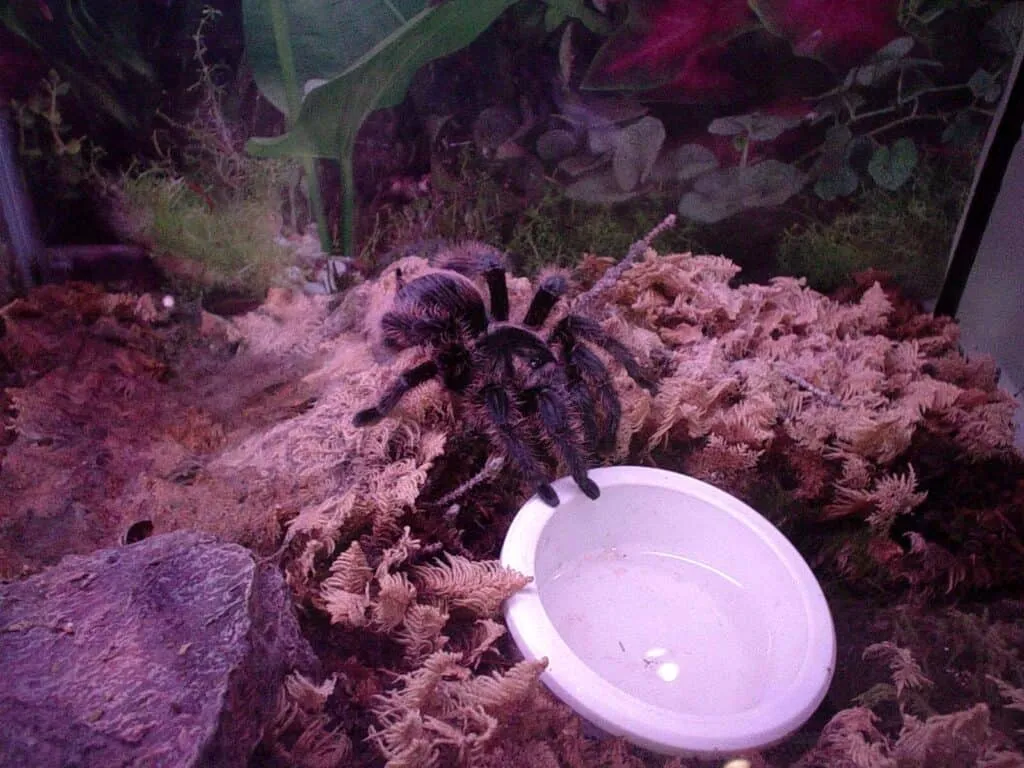
What is a Curly Hair Tarantula
The Curly Hair Tarantula (Tliltocatl albopilosus), also known as the Honduran Curly Hair Tarantula, is a popular choice for both novice and experienced tarantula keepers. This captivating arachnid, native to the rainforests of Central America, is renowned for its striking appearance and relatively docile nature. Its endearing name comes from the unique appearance of the hairs covering its body, which curl and give it a fluffy look, making it a visually appealing pet. With a lifespan that can extend for over a decade, the Curly Hair Tarantula offers a long-term companionship, enriching the lives of those who care for it. They are known for their gentle disposition and are often chosen by those who are new to tarantula ownership. They are a testament to the beauty and diversity found within the world of invertebrates and are a fascinating species to observe and care for.
Appearance and Characteristics
The most distinguishing feature of the Curly Hair Tarantula is its abundance of curly, light brown or golden hairs that cover its dark brown or black body. These hairs, which are actually modified setae, give the tarantula its characteristic ‘curly’ appearance and a soft, fuzzy texture. The coloration of this species can vary slightly depending on its age and the environment, with some individuals displaying a more reddish hue, particularly after a molt. Adult females can grow to be around 5 to 6 inches in leg span, while males are typically slightly smaller. Their sturdy legs and formidable fangs are well-suited for their terrestrial lifestyle, enabling them to dig burrows and effectively capture prey. Their overall appearance is a combination of beauty and utility, making them a visually appealing species.
Origin and Habitat

Originating from the tropical rainforests of Honduras, Costa Rica, and Nicaragua, the Curly Hair Tarantula thrives in warm, humid environments. In their natural habitat, they are primarily terrestrial, preferring to live in burrows they dig themselves or find under rocks and fallen logs. The humid climate of their native environment provides the ideal conditions for their survival, and they are well-adapted to these surroundings. Their habitat includes dense vegetation, which provides them with ample cover and protection from predators. Understanding their natural environment is crucial for providing the right care in captivity. Replicating their natural habitat, including appropriate temperature, humidity, and substrate, is essential for ensuring their well-being and longevity in a captive setting.
Behavior and Temperament
The Curly Hair Tarantula is generally known for its docile temperament, making it a relatively easy species to handle and observe. However, it’s important to remember that these are still wild animals, and individual personalities can vary. While they are not typically aggressive, they can display defensive behaviors if they feel threatened, such as flicking urticating hairs or rearing up. They are primarily nocturnal creatures, spending most of the day in their burrows and becoming active at night when they hunt for food. They are not social creatures and should be kept in individual enclosures. Their behavior patterns are fascinating to observe, and their relatively calm nature makes them a rewarding pet for tarantula enthusiasts.
Top 5 Facts
Fact 1 Amazing Defensive Hairs

Curly Hair Tarantulas, like many tarantula species, possess urticating hairs. These hairs are barbed and can be flicked off the abdomen when the tarantula feels threatened. These hairs cause significant irritation to the skin and eyes of potential predators. This is one of their primary defense mechanisms. These hairs are a key element of their defense strategy and a reminder of their wild heritage. Understanding how these hairs function and avoiding direct contact is crucial for safe handling. These hairs provide an effective deterrent against potential threats, and are a testament to the tarantula’s evolutionary adaptations for survival.
Fact 2: Slow Growers
Compared to some other tarantula species, Curly Hair Tarantulas are relatively slow growers. It can take several years for them to reach their full adult size, especially the females. This gradual growth rate means that keepers can enjoy the journey of watching their tarantulas mature over time. The growth rate is also dependent on factors such as diet, temperature, and overall care. The slow growth rate is a characteristic of this species and contributes to their longevity, allowing them to live for many years. Patience is key when raising a Curly Hair Tarantula, as the process of witnessing their growth and molting is an interesting part of the pet-owning experience.
Fact 3: Relatively Docile
One of the reasons why Curly Hair Tarantulas are so popular is their typically docile temperament. They are not prone to aggression and are often more likely to retreat or flick urticating hairs as a defense mechanism rather than bite. This gentle nature makes them a great choice for beginners. They still require careful handling and respect, but their willingness to tolerate human interaction makes them an engaging pet. Always approach them with caution and respect their space. This temperament contributes to their appeal as pets.
Fact 4: Long Lifespan

Curly Hair Tarantulas have a remarkable lifespan, with females often living for 10 to 15 years or even longer under proper care. This long lifespan makes them a significant commitment and offers a rewarding experience for dedicated keepers. Males typically have a shorter lifespan, often only living for a few years after reaching maturity. The long lifespan of females allows owners to form a lasting bond with their tarantula. This longevity makes them an ideal companion for those seeking a long-term pet, and an incredible opportunity to witness the life cycle of this fascinating species.
Fact 5: Popular Pet Choice
Due to their appealing appearance, docile temperament, and manageable care requirements, Curly Hair Tarantulas are a popular choice among tarantula enthusiasts. They are often recommended as a beginner species because they are relatively easy to care for and handle. Their availability and affordability also contribute to their popularity. They are a visually captivating and relatively low-maintenance pet, attracting both novice and experienced keepers. The community of Curly Hair Tarantula owners is supportive and active, providing a wealth of information and resources for those new to the hobby. Their popularity makes them an excellent starting point for anyone curious about keeping tarantulas.
Caring for Your Curly Hair Tarantula
Creating the Right Enclosure

A suitable enclosure for a Curly Hair Tarantula should be well-ventilated, secure, and provide enough space for the tarantula to move around. A 10-gallon terrarium is often sufficient for adults. The enclosure should include a substrate, such as a mixture of peat moss, coconut fiber, and vermiculite, to maintain humidity and allow the tarantula to burrow. Provide a water dish, a hide, and some decorations, such as artificial plants or pieces of cork bark, to create a stimulating environment. Ensure the enclosure is escape-proof, as these tarantulas are adept at finding their way out. Regular cleaning and maintenance of the enclosure is essential for their health.
Feeding Your Tarantula
Curly Hair Tarantulas primarily feed on insects, such as crickets, roaches, and mealworms. The size and quantity of food should be appropriate for the size of the tarantula, with juveniles eating more frequently than adults. Feed your tarantula once or twice a week, removing any uneaten food after 24 hours. Ensure the insects are gut-loaded before feeding to provide your tarantula with essential nutrients. Always provide a shallow water dish filled with clean water. Do not overfeed, as this can lead to obesity and other health issues. The diet is a crucial aspect of the tarantula’s overall health.
Maintaining Humidity and Temperature
Maintaining the correct humidity and temperature is critical for the health and well-being of your Curly Hair Tarantula. The ideal temperature range is between 75 and 85 degrees Fahrenheit (24 to 29 degrees Celsius). Humidity should be maintained at 60-70%. Use a hygrometer to monitor humidity levels and adjust as needed. Misting the enclosure or providing a larger water dish can help increase humidity. Proper ventilation is also important to prevent mold and maintain air quality. These environmental factors closely mimic their natural habitat and promote their overall health.
Health and Common Issues

Shedding and Molting
Molting is a natural process in which tarantulas shed their exoskeletons to grow. During molting, your Curly Hair Tarantula may lose its appetite and become inactive. It may also flip onto its back. Do not disturb the tarantula during this process. Once the molt is complete, the tarantula’s new exoskeleton will be soft, and it will need time to harden. Provide a humid environment during molting to ensure a successful molt. Avoid feeding the tarantula until its fangs have hardened. The molting process is an amazing transformation and a sign of a healthy tarantula.
Identifying and Treating Illnesses
While Curly Hair Tarantulas are generally hardy, they can still be susceptible to illnesses. Common issues include mites, fungal infections, and dehydration. Signs of illness include lethargy, loss of appetite, and unusual behaviors. Regularly inspect your tarantula for any signs of disease, and maintain a clean environment. If you notice any unusual symptoms, consult with a veterinarian experienced in exotic animals. Preventative care, such as proper enclosure maintenance and a balanced diet, is key to preventing illnesses and ensuring the long-term health of your pet. Early detection and treatment are essential for a healthy tarantula.
Conclusion

The Curly Hair Tarantula is a captivating and relatively easy-to-care-for species, making it a great choice for tarantula enthusiasts. By understanding their needs, from proper enclosure setup to maintaining optimal environmental conditions, you can provide a fulfilling and healthy life for your pet. With their docile temperament, beautiful appearance, and manageable care requirements, Curly Hair Tarantulas offer a rewarding experience for anyone looking to delve into the world of exotic pets. With proper care and attention, you can enjoy many years with these fascinating creatures.