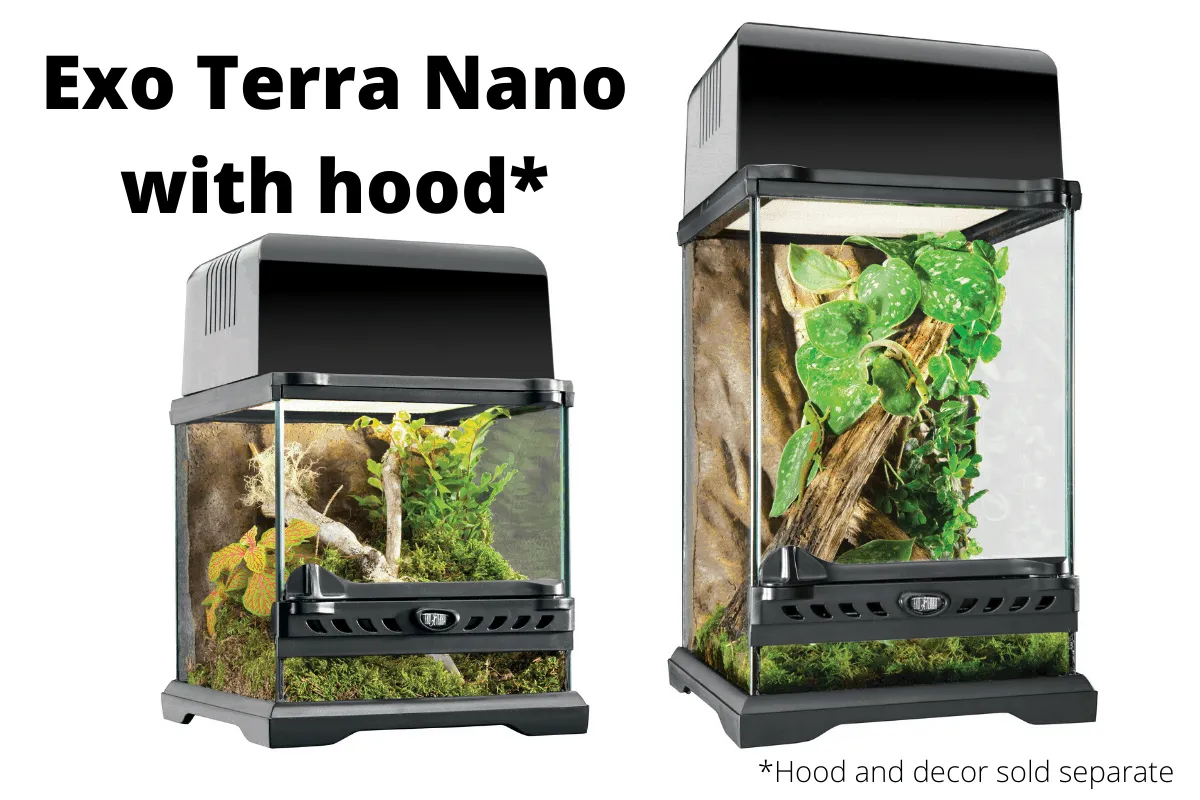
Understanding the Exo Terra Nano for Tarantulas
The Exo Terra Nano terrarium is a popular choice for housing small tarantula species. Its compact size makes it ideal for terrestrial tarantulas and slings (juvenile tarantulas), offering a secure and manageable environment. Understanding the features of the Exo Terra Nano is crucial for providing the best possible care for your tarantula. This guide will cover all aspects of setting up and maintaining an Exo Terra Nano terrarium, ensuring your tarantula thrives in a healthy and stimulating habitat. From the initial setup to ongoing maintenance, we will cover all the key elements to create an ideal environment.
Size and Dimensions
The Exo Terra Nano measures approximately 8 x 8 x 8 inches (20 x 20 x 20 cm), providing a suitable living space for smaller tarantula species. Its dimensions make it easy to place in various locations while offering enough room for your tarantula to move around and exhibit natural behaviors. While the nano size is beneficial for its compact design, it’s essential to consider the tarantula’s species and growth potential. The nano size may not be appropriate for tarantulas that grow larger than a few inches in leg span. Always research your tarantula species’ adult size before selecting an enclosure.
Ventilation and Airflow

Proper ventilation is critical for tarantula health, preventing the buildup of stale air and reducing the risk of mold and fungal growth. The Exo Terra Nano terrarium features a screened top, providing adequate airflow. Ensure the screen is secure to prevent escapes. In humid environments, you may need to monitor and adjust ventilation to prevent excessive moisture. Regularly observe the enclosure for condensation. If excessive condensation forms, increase ventilation by slightly opening the top or using a small fan to circulate air.
Choosing the Right Substrate
The substrate is the foundation of your tarantula’s habitat, providing a surface for burrowing, maintaining humidity, and facilitating natural behaviors. Selecting the right substrate is crucial for the well-being of your tarantula. It affects humidity levels, provides a safe place for tarantulas to burrow or hide and is a key element in the overall aesthetics of the enclosure. Consider the species-specific needs when choosing your substrate and ensure it’s safe and non-toxic.
Essential Substrate Types
Several substrate options are suitable for tarantulas. Coconut fiber (coco coir) is a popular choice due to its excellent moisture-retention properties, natural look, and resistance to mold. Sphagnum moss can be mixed with coco coir to boost humidity. Peat moss is another option but may be more acidic and less appealing visually. Avoid substrates like wood chips, as they can harbor mites and are not ideal for burrowing species. The best substrate choice will depend on the tarantula species and humidity requirements.
Substrate Depth and Maintenance

The depth of the substrate should be sufficient for the tarantula to burrow and create a comfortable retreat. For most species, a substrate depth of 2–4 inches is adequate. The substrate should be kept slightly moist, but not waterlogged. Spot clean the substrate regularly to remove any uneaten food, molted exoskeletons, or waste. Replace the substrate entirely every 6–12 months, or sooner if needed, to prevent the buildup of harmful bacteria and maintain a healthy environment. Using a bioactive setup with springtails and isopods can help with the breakdown of waste and extend the life of the substrate.
Creating the Perfect Environment
Creating the right environmental conditions is essential for the health and well-being of your tarantula. This includes maintaining appropriate temperature and humidity levels, which can vary depending on the species. Careful consideration of these elements will promote your tarantula’s health, encourage natural behaviors, and ensure a safe and comfortable home. Remember that your tarantula is very sensitive to changes in their environment and that monitoring these factors can help prevent any issues.
Temperature and Humidity Levels
Tarantulas thrive within a specific temperature and humidity range. Most species prefer temperatures between 70°F and 80°F (21°C and 27°C). Humidity requirements vary depending on the species, but generally range from 60% to 80%. Use a thermometer and hygrometer to monitor these levels accurately. Research the specific needs of your tarantula species to ensure optimal conditions. Maintaining the right temperature and humidity can help your tarantula thrive and avoid potential health problems.
Heating Options

If your home temperature is not within the ideal range, you may need to provide supplemental heat. A low-wattage heat mat placed on the side of the enclosure is a safe and effective way to provide gentle warmth. Avoid placing the heat mat directly under the enclosure, as it can cause the substrate to dry out quickly. A ceramic heat emitter can also be used, but it requires careful monitoring to prevent overheating. Always use a thermostat to regulate the temperature and prevent burns. Never use heat lamps, as they can dry out the enclosure and are not suitable for tarantulas.
Humidity Control Techniques
Achieving the correct humidity level is crucial. Mist the enclosure with dechlorinated water a few times a week, depending on your tarantula’s needs. The frequency of misting should be adjusted based on the substrate type and the tarantula’s species-specific requirements. Provide a shallow water dish for your tarantula to drink from and to help maintain humidity. Proper ventilation, as previously discussed, also plays a role in humidity regulation. Monitor the humidity levels regularly and make adjustments as needed to maintain the ideal range for your tarantula.
Decorating the Enclosure
Decorating the Exo Terra Nano not only enhances the visual appeal but also enriches your tarantula’s environment. Providing the right décor encourages natural behaviors and provides a sense of security, which can reduce stress. Ensure the décor is safe, non-toxic, and appropriate for your tarantula’s species. Avoid anything that could potentially harm your tarantula or get in the way of their movement.
Hiding Spots and Climbing Structures

Provide your tarantula with hiding spots, such as cork bark, half logs, or artificial caves. These provide a safe retreat and help the tarantula feel secure. Climbing structures, such as branches or small pieces of driftwood, can also be added, especially for arboreal species. Make sure any décor is securely placed to prevent injury. The goal is to create a diverse and stimulating habitat that mimics the tarantula’s natural environment, encouraging it to explore and exhibit natural behaviors.
Watering and Feeding Your Tarantula
Proper hydration and nutrition are essential for your tarantula’s survival and well-being. Understanding how to provide fresh water and the right diet will ensure your tarantula stays healthy and thrives in its enclosure. Consider the specific needs of your tarantula species to determine the best approach to feeding and watering.
Water Dish and Hydration
Always provide a shallow water dish filled with fresh, dechlorinated water. The dish should be shallow enough for the tarantula to easily access, preventing accidental drowning. Place the water dish away from the heat source. Replace the water every day or two to prevent bacteria growth. The water dish plays a vital role in both hydration and helping to maintain the correct humidity levels in the enclosure. Regularly check the water dish to ensure it remains clean and accessible.
Feeding Frequency and Prey Selection

Feed your tarantula a diet of appropriately sized insects, such as crickets, mealworms, or roaches. The frequency of feeding depends on the tarantula’s age and species. Slings typically need to be fed more often (2–3 times per week), while adult tarantulas may only need to be fed once a week or even less frequently. Remove any uneaten prey within 24 hours to prevent stress on the tarantula and to avoid pest infestations. Research the preferred prey of your tarantula species. Overfeeding is more dangerous than underfeeding, so observe your tarantula’s body condition and adjust the feeding frequency accordingly.
Maintenance and Cleaning
Regular maintenance and cleaning are crucial for keeping your tarantula’s enclosure healthy and hygienic. This helps prevent the buildup of harmful bacteria, mold, and pests, ensuring a safe and comfortable environment for your tarantula. A well-maintained enclosure also makes it easier to observe your tarantula and notice any health issues early on.
Spot Cleaning
Spot clean the enclosure regularly, ideally every few days. Remove any uneaten prey, molted exoskeletons, and visible waste. Use a pair of tongs to avoid disturbing your tarantula. Check the water dish daily and clean it whenever you change the water. This regular spot cleaning helps maintain cleanliness and prevents the accumulation of debris.
Deep Cleaning and Substrate Replacement

Deep clean the enclosure every 6–12 months, or more frequently if needed. Remove all substrate and decorations. Clean the enclosure with warm water and a reptile-safe disinfectant. Rinse thoroughly and allow the enclosure to dry completely before reassembling. Replace the substrate with fresh, clean material. This deep cleaning helps prevent the buildup of harmful bacteria and mites, ensuring a healthy environment. The frequency of deep cleaning will depend on factors like the size of the enclosure, the number of tarantulas, and the species.
Troubleshooting Common Issues
Even with the best care, you may encounter some common issues. Being prepared to address these problems can help you keep your tarantula healthy. Recognizing the signs of potential problems and knowing how to respond is crucial to responsible tarantula ownership. Regular observation of the enclosure and your tarantula’s behavior will help you identify and address any issues promptly.
Mites and Pests
Mites are a common problem in tarantula enclosures. They can infest the substrate and potentially harm your tarantula. Signs of mites include tiny, moving specks in the substrate or on the tarantula itself. If you suspect mites, isolate the tarantula and thoroughly clean the enclosure. Replace the substrate with fresh material, and consider using a reptile-safe mite treatment if the infestation is severe. Preventative measures include quarantining new tarantulas and insects before introducing them to the enclosure.
Molding and Fungus

Mold and fungus can develop in enclosures with excessive humidity or poor ventilation. Mold can appear as a white or fuzzy growth on the substrate or décor. To address mold, improve ventilation, reduce humidity, and remove any affected materials. If the infestation is widespread, you may need to completely replace the substrate and clean the enclosure thoroughly. Proper humidity management and regular maintenance are key to preventing mold and fungus growth.
Final Thoughts and Resources
Caring for an Exo Terra Nano tarantula can be a rewarding experience. By following these guidelines and conducting thorough research, you can provide your tarantula with a safe, healthy, and stimulating environment. Remember to always research the specific needs of your tarantula species, as care requirements can vary. Consult with experienced tarantula keepers or reptile specialists for further advice and resources. With proper care, your tarantula can thrive for many years.