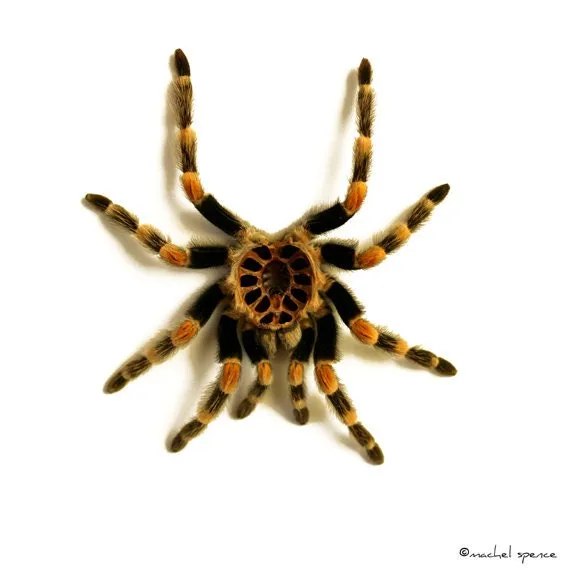
What is an Exoskeleton Tarantula
The world of tarantulas is fascinating, and central to their survival is a unique external skeleton known as an exoskeleton. Unlike humans and other vertebrates that possess internal skeletons, tarantulas and other arthropods, like insects and crustaceans, have a hard, protective outer shell. This exoskeleton serves multiple vital functions, from providing structural support to shielding the tarantula from harm. Understanding the exoskeleton is key to appreciating the tarantula’s life cycle, behavior, and incredible adaptations to its environment. It’s not just a shell; it’s an essential part of what makes these creatures so successful.
The Structure of the Exoskeleton
The exoskeleton of a tarantula is a complex structure composed of several layers. The outermost layer, the epicuticle, is waxy and waterproof, helping to prevent water loss, which is crucial for survival, especially in dry environments. Beneath the epicuticle is the procuticle, the thickest layer, which provides the exoskeleton’s rigidity and strength. The procuticle is made of two sublayers: the outer exocuticle and the inner endocuticle. The exocuticle is hardened, while the endocuticle is more flexible, allowing for some degree of movement. The overall design of the exoskeleton is not a solid piece but rather a series of plates and segments connected by flexible membranes, enabling the tarantula to move and grow.
Chitin The Key Component

The primary building block of a tarantula’s exoskeleton is chitin, a tough, polysaccharide similar to cellulose found in plants. Chitin is a resilient substance that provides the exoskeleton with its structural integrity. It is interwoven with proteins, which further enhance the exoskeleton’s strength and flexibility. The combination of chitin and proteins allows the exoskeleton to withstand physical stresses, protecting the tarantula from predators and environmental hazards. The concentration and arrangement of chitin vary across different parts of the tarantula’s body, providing tailored protection and flexibility where needed.
Why Tarantulas Need Exoskeletons
The exoskeleton is essential for a tarantula’s survival, offering several crucial advantages. It acts as a suit of armor, safeguarding the tarantula from both external threats and environmental challenges. However, the exoskeleton’s rigidity also poses a significant challenge: it limits growth. Because the exoskeleton cannot expand, tarantulas must periodically shed their old exoskeletons and grow new, larger ones in a process called molting. This remarkable ability allows tarantulas to increase in size and replace damaged or worn-out body parts, ensuring their continued survival in a harsh world. The exoskeleton’s properties enable tarantulas to thrive in diverse habitats.
Protection from Predators
One of the primary functions of the exoskeleton is to protect tarantulas from predators. The hard, durable shell acts as a physical barrier, making it difficult for potential attackers to penetrate and harm the tarantula’s soft internal organs. This is particularly crucial for juvenile tarantulas, which are more vulnerable to predation. The exoskeleton’s toughness provides a significant defense against a range of predators, from birds and reptiles to other arthropods. In addition to physical protection, the exoskeleton may also contain defensive compounds that deter predators, further enhancing the tarantula’s chances of survival.
Support and Movement

The exoskeleton provides structural support to the tarantula’s body, allowing for efficient movement and locomotion. It acts as an anchor for muscles, enabling the tarantula to move its legs, chelicerae (mouthparts), and other body parts. The exoskeleton’s segmented design, with flexible joints between the plates, allows for a wide range of motion. Without the rigid structure of the exoskeleton, the tarantula would be unable to effectively walk, run, or climb. The exoskeleton’s contribution to support and movement is fundamental to the tarantula’s ability to hunt, escape danger, and navigate its environment.
Exoskeleton Tarantulas Molting Process
Molting is a critical process in the life of a tarantula, allowing it to shed its old exoskeleton and grow larger. This process is not without risk, as the tarantula is highly vulnerable during molting. The timing and frequency of molting vary depending on the tarantula’s age, species, and environmental conditions. Younger tarantulas molt more frequently than adults, as they need to grow rapidly. Molting is a complex physiological event that requires significant energy and preparation by the tarantula. Understanding the molting process provides valuable insight into the biology and care of these amazing creatures.
Preparing for Molting
Before molting, a tarantula typically enters a period of preparation. It may become less active, stop eating, and retreat to a secure hiding place. The tarantula’s body begins to produce enzymes that break down the connection between the old exoskeleton and the underlying tissues. A new, soft exoskeleton forms beneath the old one. During this stage, the tarantula is particularly vulnerable and may exhibit a swollen appearance. The preparation phase can last from a few days to several weeks, depending on the tarantula’s size and environmental factors. Providing a safe and undisturbed environment is crucial during this period.
The Molting Stages

The molting process itself involves several distinct stages. The tarantula first creates a split in its old exoskeleton, usually along the cephalothorax (the combined head and thorax). It then slowly extracts itself from the old shell, pulling its legs and other appendages free. This process can take several hours, or even longer for larger tarantulas. Once free from the old exoskeleton, the tarantula is very soft and vulnerable. The newly formed exoskeleton gradually hardens over several days or weeks, during which the tarantula remains hidden and inactive.
Post-Molting Care
After molting, a tarantula requires special care. It is crucial to provide a humid environment to help the new exoskeleton harden properly. The tarantula should not be disturbed during this period. It is also important to wait before feeding the tarantula, as its chelicerae (mouthparts) will still be soft and unable to crush prey. Providing a nutritious diet after the exoskeleton has fully hardened is essential for the tarantula’s recovery and growth. Monitoring the tarantula’s behavior and environment post-molting is vital to ensure its health and well-being.
Amazing Facts about Exoskeleton Tarantulas
Exoskeleton tarantulas possess many fascinating attributes. Their exoskeletons and their overall biology are a testament to the marvels of nature. Here are five amazing facts about tarantulas.
Fact 1 Incredible Strength

Despite their delicate appearance, tarantulas are incredibly strong. Their exoskeletons provide them with remarkable strength relative to their size. They can lift objects many times their own weight and withstand significant physical stress. This strength is crucial for their hunting abilities and helps them defend themselves against predators. The strength of the exoskeleton allows them to create burrows and climb, giving them an edge in their environment.
Fact 2 Sensory Abilities
Tarantulas have a variety of sensory abilities that help them navigate and survive. They have sensory hairs called setae on their exoskeletons, which detect vibrations and air currents. These hairs help them sense the presence of prey, predators, and changes in their environment. Tarantulas also have eyes, although their vision is not as developed as some other animals. However, their eyes allow them to perceive light and shadow, helping them to distinguish between day and night.
Fact 3 Growth Process
As tarantulas grow, they undergo a process of molting, where they shed their old exoskeleton and replace it with a new, larger one. This process allows them to increase in size and replace damaged or worn-out body parts. The frequency of molting decreases as the tarantula matures. Molting is a vulnerable time for tarantulas, as their new exoskeleton is soft and they are unable to defend themselves effectively.
Fact 4 Color Changes
Some tarantula species exhibit stunning color changes during and after molting. The colors of their exoskeletons can vary depending on the species, age, and environmental conditions. The colors can range from vibrant blues and oranges to more subtle browns and blacks. These color changes can be an amazing display, making tarantulas highly sought after in the pet trade. The vibrant coloration also plays a role in camouflage and mate attraction.
Fact 5 Regenerative Abilities
Tarantulas, to a certain extent, possess regenerative abilities. They can regrow lost legs over several molts. If a tarantula loses a leg, it will gradually regenerate a new one during subsequent molts. The regenerative process is not always perfect; the new leg may be slightly smaller or misshapen compared to the original. However, this ability provides a significant advantage in surviving injuries and predator attacks. This regenerative ability is a remarkable adaptation that enables tarantulas to survive in challenging environments.
Conclusion
The exoskeleton of a tarantula is a marvel of natural engineering, enabling these fascinating creatures to thrive in diverse environments. From protection to movement and molting, the exoskeleton plays a crucial role in every aspect of a tarantula’s life. Understanding the structure, function, and amazing facts about the exoskeleton provides insight into the remarkable adaptations that allow tarantulas to survive and flourish. The next time you see a tarantula, remember the complex shell that protects and supports it, allowing it to live its unique life.