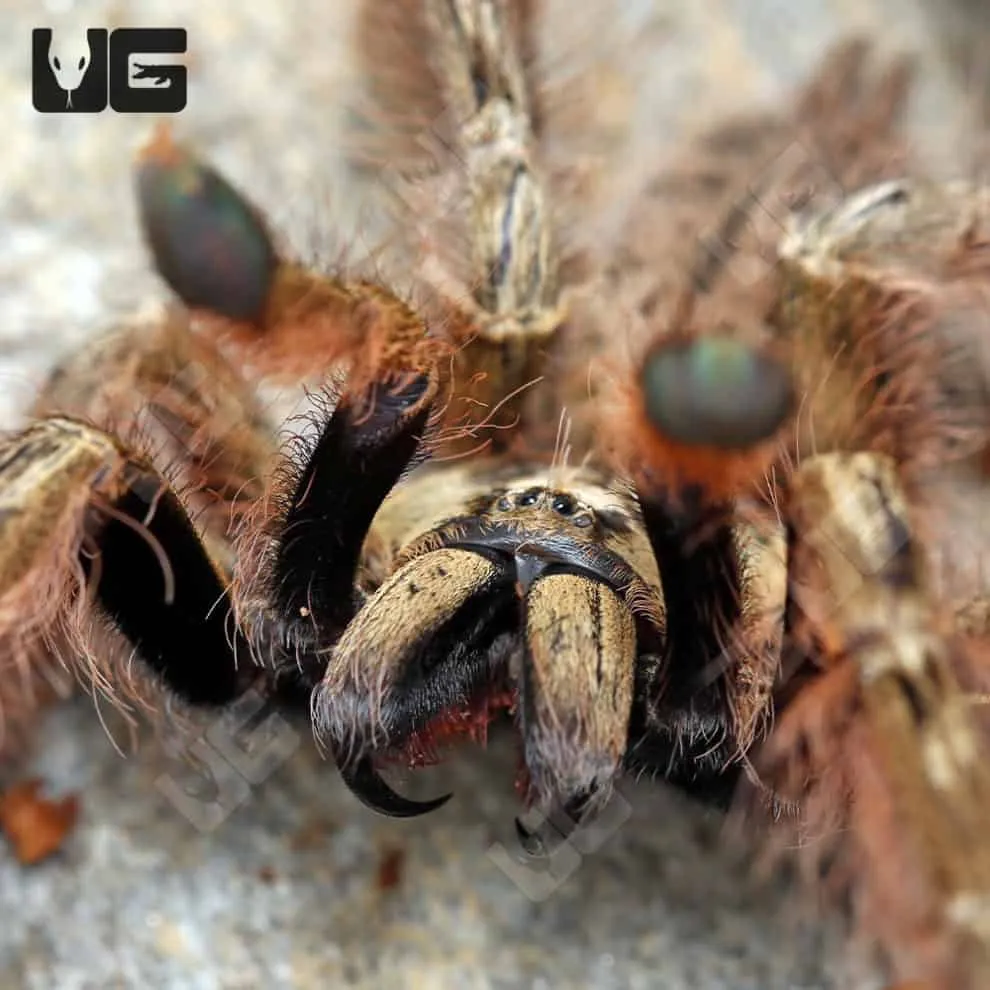
What is a Feather Leg Baboon Tarantula (FLB)?
The Feather Leg Baboon Tarantula, scientifically known as Stromatopelma calceatum, is a captivating and intriguing spider species gaining popularity among tarantula enthusiasts. Native to West Africa, these spiders are known for their unique appearance and relatively manageable care requirements, making them a fascinating addition to any collection. This article will delve into the top 5 facts about caring for a Feather Leg Baboon Tarantula, covering everything from their enclosure setup to their dietary needs and potential health concerns. Understanding these aspects is crucial for providing a happy and healthy environment for your FLB.
Appearance and Characteristics
One of the most striking features of the Feather Leg Baboon Tarantula is, of course, its legs. They possess distinct, feathery setae on their legs, particularly the first and second pairs, which give them their common name. These setae likely serve multiple functions, including sensory perception and possibly aiding in the capture of prey. Adults typically range from 5 to 6 inches in leg span, displaying a brown or reddish-brown coloration. Their carapace often has a darker hue, adding to their visual appeal. Their arboreal nature means they’re well-adapted for climbing and often spend their time in elevated areas within their enclosure.
Native Habitat and Distribution

In their natural habitat, Feather Leg Baboon Tarantulas are found in the rainforests of West Africa, including countries such as Ghana, Nigeria, and Cameroon. They are primarily arboreal, meaning they spend most of their time in trees, creating burrows or webs within the bark or foliage. Understanding their natural environment is key to replicating it in captivity. This includes providing a humid environment with plenty of climbing opportunities and hiding places, crucial elements for their well-being.
FLB Tarantula Enclosure Setup
Creating the right environment is crucial for the health and happiness of your Feather Leg Baboon Tarantula. The enclosure should mimic their natural habitat, providing them with the necessary space, humidity, and security. A properly set up enclosure will encourage natural behaviors and reduce stress, leading to a healthier spider. This section focuses on the key elements of an optimal enclosure setup for your FLB.
Choosing the Right Enclosure
As arboreal tarantulas, Feather Leg Baboon Tarantulas require vertical space. A tall enclosure, rather than a wide one, is ideal. For an adult, a terrarium of at least 12x12x18 inches is recommended, but a larger enclosure is always preferable. Ensure the enclosure has a secure lid to prevent escapes. Ventilation is also crucial; however, avoid excessive airflow that can dry out the enclosure. Consider using a terrarium with ventilation slits or a screen top with some covering to retain humidity.
Substrate and Decor

The substrate should hold moisture well to maintain the required humidity levels. A mixture of coconut fiber, peat moss, and sphagnum moss is a good choice. Provide a depth of at least 4-6 inches to allow for burrowing if the spider desires. Decorating the enclosure with cork bark, branches, and artificial plants will provide climbing opportunities and hiding places, essential for reducing stress and encouraging natural behaviors. Make sure all decor is secure and won’t fall and injure your spider.
Temperature and Humidity
Feather Leg Baboon Tarantulas thrive in a warm and humid environment. Maintain a temperature between 75-85°F (24-29°C). You can use a heat mat on the side of the enclosure, but avoid placing it directly under the enclosure, as this can dry out the substrate. Humidity levels should be kept around 70-80%. Regularly misting the enclosure, especially the substrate and decor, helps maintain the required humidity. Monitor the humidity with a hygrometer, and adjust the misting frequency accordingly.
Feather Leg Baboon Tarantula Feeding and Diet
Proper nutrition is fundamental to the health and growth of your Feather Leg Baboon Tarantula. Providing a varied diet ensures they receive all the necessary nutrients. Understanding what to feed, how often, and how to provide water is critical to their care. This section will guide you through the essential aspects of feeding your FLB.
What to Feed Your FLB Tarantula

The primary diet of Feather Leg Baboon Tarantulas consists of insects. Crickets, cockroaches, and mealworms are all excellent choices. Ensure the insects are gut-loaded (fed nutritious food) before offering them to your tarantula to maximize their nutritional value. Occasionally, you can offer other insects like locusts or even small, pre-killed vertebrates, such as pinkie mice, to adult tarantulas. Always make sure the prey is appropriately sized; the general rule is the prey should be no larger than the tarantula’s body.
Feeding Frequency and Schedule
The feeding frequency depends on the tarantula’s age and size. Spiderlings and juveniles should be fed 2-3 times per week. As they grow, reduce the frequency to once or twice a week for sub-adults and adults. Monitor your tarantula’s abdomen; if it appears plump, it’s well-fed. Remove any uneaten prey within 24 hours to prevent stress to the tarantula and prevent the growth of mold. Adjust the feeding schedule based on your tarantula’s individual needs and feeding response.
Watering Your FLB
Clean, fresh water is essential for your tarantula’s survival. Provide a shallow water dish with fresh water at all times. The water dish should be shallow enough to prevent drowning. Alternatively, you can mist the enclosure regularly, ensuring that droplets form on the sides and decor, which the tarantula can drink from. Always use dechlorinated water to avoid harming your tarantula. Regular hydration is crucial for molting and overall health.
Handling and Safety

While Feather Leg Baboon Tarantulas are not typically considered aggressive, caution and respect are essential when handling them. Their venom, though not typically life-threatening to humans, can cause discomfort. Understanding how to interact with your tarantula safely ensures the well-being of both you and your pet. This section covers the essential safety guidelines for handling your FLB.
Do Feather Leg Baboon Tarantulas make good pets?
FLBs are generally considered to be a pet for intermediate to advanced keepers. They can be defensive and fast. Handling is not recommended unless absolutely necessary, like a medical need. They are more of a display animal that is more for the viewing pleasure of the keeper.
Venom and Bite Information
Feather Leg Baboon Tarantulas possess venom, which they use to subdue their prey. Bites are possible if they feel threatened or are provoked. The venom can cause localized pain, swelling, and muscle cramps. If bitten, wash the area thoroughly with soap and water, and seek medical attention if symptoms worsen or you experience an allergic reaction. Be cautious and avoid unnecessary handling to minimize the risk of bites.
Common Health Issues and Care

Like all living creatures, Feather Leg Baboon Tarantulas can experience health problems. Recognizing potential issues and providing the appropriate care can significantly impact their lifespan and well-being. This section will cover common health concerns and what you can do to keep your FLB healthy.
Molting Process
Molting is a natural process in which tarantulas shed their exoskeletons to grow. Before molting, your FLB may become less active, refuse food, and its abdomen may appear dark. Provide a humid environment and avoid disturbing the spider during this vulnerable time. Once molting is complete, allow the tarantula’s new exoskeleton to harden fully before feeding it. Molting can take several hours, so patience is key. Keep humidity up during this time.
Recognizing and Treating Illness
Observe your tarantula regularly for signs of illness, such as lethargy, loss of appetite, or unusual behaviors. Parasites and fungal infections can also affect FLBs. If you notice any abnormalities, consult with an experienced tarantula keeper or a veterinarian familiar with arachnids. Proper care, including maintaining the right temperature and humidity and providing a balanced diet, is crucial in preventing many health issues. Quarantine any new tarantulas before introducing them to your collection to prevent the spread of potential diseases. Early detection and intervention are key to successful treatment.
In conclusion, caring for a Feather Leg Baboon Tarantula can be a rewarding experience. By understanding their specific needs, providing the right environment, and practicing safe handling, you can ensure your tarantula thrives. This care sheet provides the foundation for a healthy and fulfilling life for your FLB. Remember to always research and continue learning about tarantula care to provide the best possible environment for your pet.