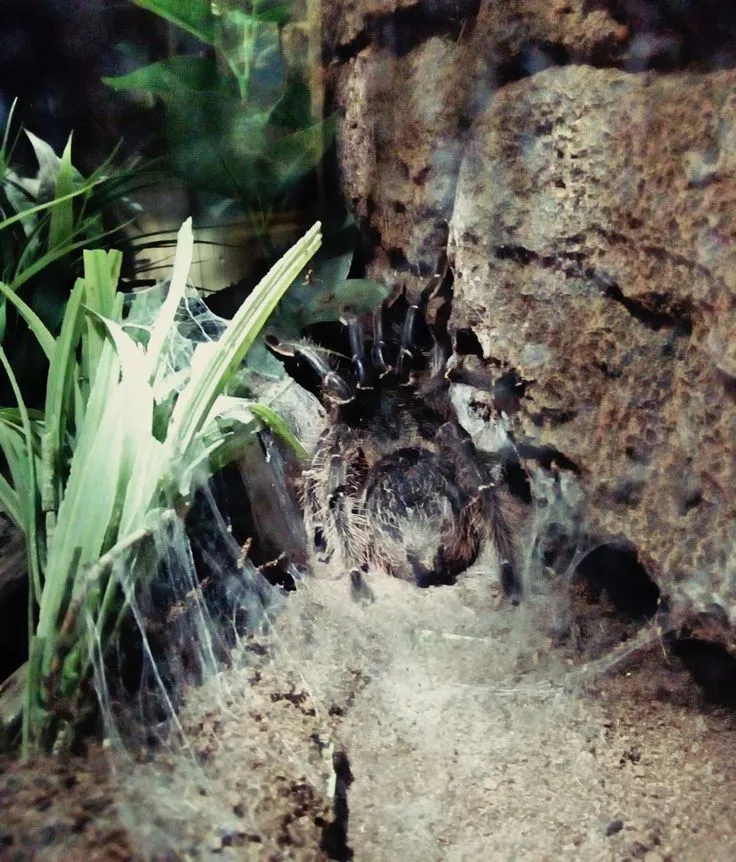
Giant Bird Eating Tarantula Facts
The Giant Bird Eating Tarantula, scientifically known as Theraphosa blondi, is one of the largest spiders in the world, captivating the attention of arachnid enthusiasts and nature lovers alike. Native to the rainforests of South America, this impressive creature gets its name from early explorers who observed it consuming small birds, although this is not a regular occurrence. This article delves into five fascinating facts about this remarkable spider, exploring its physical characteristics, behavior, and ecological role. Understanding the Giant Bird Eating Tarantula provides insight into the biodiversity of our planet and the unique adaptations that allow species to thrive in their environment. From its colossal size to its intriguing hunting strategies, prepare to be amazed by the Giant Bird Eating Tarantula.
Size and Appearance
The sheer size of the Giant Bird Eating Tarantula is arguably its most striking feature. These spiders can have a leg span of up to 12 inches (30 cm) and weigh over 6 ounces (170 grams), making them one of the most massive spiders on Earth. Their bodies are covered in urticating hairs, which they can flick at potential threats as a defense mechanism. These hairs cause intense irritation upon contact with skin and eyes. The tarantula’s coloration is generally a dark brown, often with reddish hues on their legs and bodies, providing excellent camouflage in their rainforest habitat. Their large fangs, capable of piercing the skin, are also a defining characteristic, though they primarily use them to subdue prey, not for injecting venom that is dangerous to humans, compared to a wasp sting.
Habitat and Distribution

Giant Bird Eating Tarantulas are found in the rainforests of northern South America, including countries like Venezuela, Guyana, Suriname, French Guiana, and parts of Brazil. They prefer humid environments and typically inhabit burrows in the ground, often under logs, rocks, or in areas with dense vegetation. Their habitat is critical for their survival, providing shelter from predators, regulating temperature, and offering access to food sources. The conservation of their natural habitat is essential to protect these magnificent spiders, as deforestation and habitat loss pose significant threats to their populations. These spiders are also nocturnal creatures, spending most of the day hidden in their burrows and emerging at night to hunt for food. This adaptation helps them avoid the heat and potential predators during the day.
Diet and Hunting
Despite their intimidating name, Giant Bird Eating Tarantulas don’t regularly consume birds. Their diet primarily consists of insects, such as crickets and beetles, and other invertebrates. They are opportunistic hunters and will also prey on small vertebrates like lizards, frogs, and occasionally, small snakes or rodents. These tarantulas are ambush predators, waiting patiently in or near their burrows for unsuspecting prey to come within striking distance. They use their fangs to inject venom, which paralyzes the prey, and then they inject digestive enzymes to liquefy the tissues, making it easier to consume. The hunting strategy of the Giant Bird Eating Tarantula is a testament to their survival skills in the challenging rainforest environment.
Behavior and Defense
Giant Bird Eating Tarantulas are generally not aggressive towards humans, but they will defend themselves if threatened. Their primary defense mechanism is their urticating hairs, which cause intense irritation. When agitated, the tarantula will rub its legs against its abdomen, releasing these hairs into the air or directly onto the threat. They may also raise their front legs and display their fangs as a warning. Although their bite can be painful, their venom is not considered highly dangerous to humans. Their behavior also includes the characteristic of moving fast. They can move with surprising speed when hunting or when feeling threatened. These behaviors are well-adapted for survival in the rainforest ecosystem, helping them avoid predators and secure food.
Lifespan and Reproduction

These tarantulas have a relatively long lifespan compared to many other spider species. Females can live for up to 25 years or more in captivity, while males typically live for a shorter time, around 3 to 6 years. Reproduction involves a mating ritual where the male presents a sperm web to the female. After mating, the female will lay hundreds of eggs in a silk sac, which she diligently guards until the spiderlings hatch. The spiderlings then go through a series of molts as they grow, shedding their exoskeletons to increase in size. The long lifespan of the Giant Bird Eating Tarantula, along with its reproductive strategies, demonstrates its resilience and ability to thrive in its complex natural environment.
Interesting Facts about the Giant Bird Eating Tarantula
Here are some interesting facts about the Giant Bird Eating Tarantula:
- They are one of the largest spiders in the world, with a leg span that can reach up to 12 inches.
- Despite their name, they rarely eat birds, their diet consists primarily of insects and other invertebrates.
- They have urticating hairs on their abdomen that they use as a defense mechanism.
- They are native to the rainforests of South America.
- Females can live for over 20 years, while males have a shorter lifespan.
- Their bite, while painful, is not considered highly dangerous to humans.
The Giant Bird Eating Tarantula is a fascinating creature that demonstrates the incredible diversity and adaptability of life on Earth. From its imposing size and unique hunting strategies to its defenses and longevity, this spider continues to captivate scientists, enthusiasts, and anyone interested in the wonders of the natural world. Understanding and appreciating these remarkable animals is crucial for promoting their conservation and preserving the rich biodiversity of the rainforest ecosystems they call home.