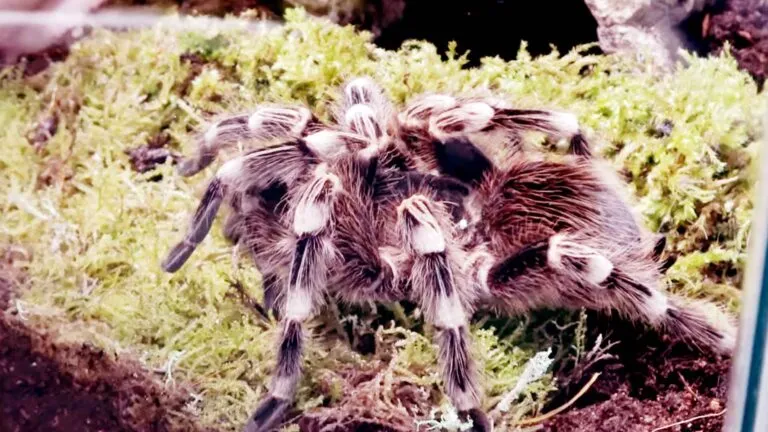
The Brazilian Giant White Knee Tarantula (Acanthoscurria geniculata) is a captivating species that has gained popularity among tarantula enthusiasts. Known for its impressive size and striking appearance, this arachnid is a fascinating creature to observe and care for. This article will delve into five key facts about the size of this impressive tarantula, providing a comprehensive guide for both novice and experienced keepers. Understanding the size of your tarantula is crucial for proper care, habitat setup, and overall well-being. Let’s explore the world of these magnificent creatures and uncover the secrets of their impressive stature.
Size of Brazilian Giant White Knee Tarantula
The Brazilian Giant White Knee Tarantula, as its name suggests, is a large species, making it one of the most sought-after tarantulas in the pet trade. Their size is a significant aspect of their allure, as they can reach impressive dimensions, making them a captivating display animal. There are several factors to consider when discussing the size of these tarantulas, including gender, environmental conditions, and genetic factors. Understanding these factors will help you provide the best possible care and appreciate the full potential of your tarantula.
Adult Female Size
Adult female Brazilian Giant White Knee Tarantulas are notably larger than their male counterparts. They typically boast a leg span ranging from 7 to 9 inches (18 to 23 cm), with some exceptional specimens reaching even larger sizes. The impressive size of the females is attributed to their longer lifespan and the need to accommodate the development of eggs. The female’s larger size makes them more desirable as pets due to their imposing presence. Proper care and a balanced diet are essential to ensure they reach their full potential size and live a long, healthy life. The females can live for many years, and they will also grow for many years.
Adult Male Size

Male Brazilian Giant White Knee Tarantulas are generally smaller than females, with a leg span usually between 5 to 7 inches (13 to 18 cm). They reach maturity faster than females, typically within 1 to 2 years, which also influences their size. After reaching maturity, males typically do not grow any larger. Males also have a shorter lifespan, usually only living for a year or two after maturing. Therefore, when choosing a tarantula, this information is very important. It is also essential to understand the size difference between males and females, as this information can help with habitat planning, food portions, and overall care requirements.
Leg Span Measurement
The leg span measurement is the most common way to determine the size of a tarantula. This measurement refers to the distance between the tips of the tarantula’s longest legs when they are fully extended. For the Brazilian Giant White Knee Tarantula, this measurement is the primary indicator of size, as the body size can vary based on feeding and overall health. To accurately measure a tarantula’s leg span, it is crucial to handle the animal with caution. Always use a soft ruler or measuring tape to avoid causing harm. Proper measuring allows keepers to compare and monitor the growth of their tarantulas, ensuring they are developing within a healthy range for their sex and age.
Factors Influencing Size
Several factors influence the size of a Brazilian Giant White Knee Tarantula, which is crucial for understanding how to provide the best possible care. The size of the tarantula is determined by its genetics, diet, and environmental conditions, with each factor playing a significant role in the tarantula’s overall growth and well-being. Keeping these factors in mind helps you provide the optimal habitat for your pet, contributing to its health and longevity. Careful attention to these elements allows for a better understanding of each tarantula’s individual potential and needs, enabling you to provide excellent care.
Genetics

Genetic factors play a significant role in determining the ultimate size a Brazilian Giant White Knee Tarantula will reach. Like all living creatures, the genetic makeup of each tarantula influences its growth potential. Some tarantulas may inherit genes that predispose them to be larger or smaller than average. Breeding practices also contribute to this, as breeders may selectively breed tarantulas to enhance particular traits, including size. Understanding this aspect is important, especially when acquiring a tarantula from a breeder, to get a sense of the growth expectations based on lineage. Proper genetics can also provide a better lifespan and overall quality of life.
Diet and Nutrition
The diet of a Brazilian Giant White Knee Tarantula is another critical factor influencing its size. A well-balanced diet rich in nutrients is essential for healthy growth. Tarantulas need a consistent supply of food, typically consisting of insects such as crickets, mealworms, and roaches. The frequency of feeding and the size of the prey items should be adjusted based on the tarantula’s age and size. Overfeeding can potentially lead to obesity and health problems, while underfeeding can stunt growth. Providing a varied and appropriate diet is vital for reaching their full potential size. Supplying calcium and vitamins is also essential for the tarantula’s health, which are usually available as a supplement.
Environmental Conditions
Environmental conditions also influence the size of a Brazilian Giant White Knee Tarantula. Factors such as temperature, humidity, and the size of the enclosure play a role in their growth and development. Proper temperature and humidity levels are essential for the tarantula to molt successfully, which is a critical part of their growth process. A cramped enclosure can inhibit movement and growth, while a spacious one allows for proper activity. Therefore, providing an appropriate habitat with the correct environmental conditions is crucial for supporting the tarantula’s growth and overall well-being, allowing it to thrive and reach its maximum potential size. Maintaining the correct environment ensures the tarantula can live a full, healthy life.
Comparison to Other Tarantula Species

When comparing the size of the Brazilian Giant White Knee Tarantula to other species, it’s easy to see why they are considered giants. Compared to other popular pet tarantulas like the Mexican Red Knee or the Chilean Rose, the White Knee typically reaches a significantly larger size. This size difference contributes to their appeal, making them a visually striking and impressive pet. However, the size of different species varies greatly, with some, such as the Goliath Birdeater, being even larger. Understanding these size differences helps tarantula keepers appreciate the unique characteristics of each species and plan for their specific care requirements.
Size as an Indicator of Health
The size of a Brazilian Giant White Knee Tarantula serves as an important indicator of its overall health. A tarantula that is growing at a healthy rate generally indicates that it is receiving adequate nutrition, living in an appropriate environment, and is free from any major health issues. Monitoring the size and growth of your tarantula can help identify potential problems early on. For example, stunted growth could be a sign of a poor diet, inadequate housing, or an underlying health problem. Similarly, excessive growth, especially in conjunction with other symptoms, could indicate overfeeding or other issues. Regularly observing your tarantula’s size allows you to notice any deviations from the norm, ensuring your pet receives the proper care.
Monitoring Growth
Monitoring the growth of a Brazilian Giant White Knee Tarantula is vital for ensuring its health and well-being. Keepers should keep a record of the tarantula’s size over time, noting leg spans and any changes in appearance. Regular measurements and observations help track progress and identify any potential issues. You can use a soft ruler or measuring tape, carefully measuring the leg span during molts, which is a key indicator of growth. Comparing these measurements to average growth rates for the species and sex allows you to gauge whether the tarantula is developing appropriately. Regular monitoring is an essential aspect of responsible tarantula ownership, and it gives keepers the ability to take action should any problems arise.
When to Be Concerned
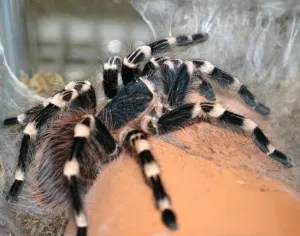
While size is a good indicator of overall health, several signs warrant concern. If your Brazilian Giant White Knee Tarantula is not growing at a typical rate, this could suggest a problem. Stunted growth may result from a poor diet, an incorrect enclosure, or, in some cases, underlying illnesses. Other concerning signs include changes in the tarantula’s activity level, loss of appetite, or unusual behavior. If you notice any of these symptoms, consulting a veterinarian or experienced tarantula keeper is advisable. Prompt intervention can address any problems quickly, ensuring your pet’s continued health and well-being. Always be vigilant and observant of your pet.
Conclusion
Understanding the size of the Brazilian Giant White Knee Tarantula is essential for proper care and appreciation of this impressive species. From the adult female’s larger size to the factors influencing their growth, knowing these details enhances your ability to provide an optimal living environment. Monitoring growth, recognizing potential health concerns, and comparing the size of this tarantula to other species are all important aspects of responsible tarantula ownership. By paying close attention to these details, you can ensure your Brazilian Giant White Knee Tarantula thrives and lives a long, healthy life, allowing you to enjoy its captivating presence for years to come. Caring for your pet with this understanding allows you to create a better, more fulfilling experience for the both of you.