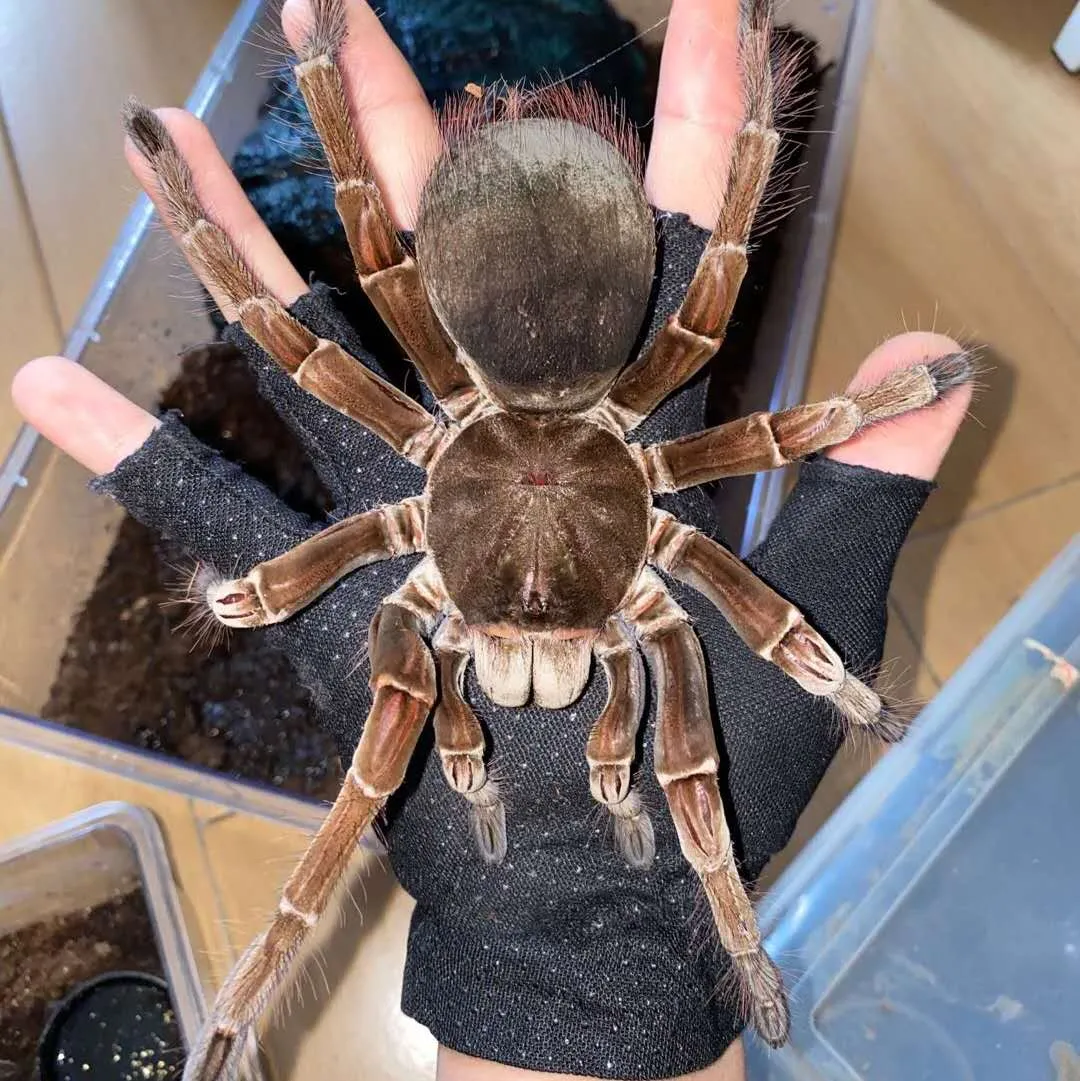
Goliath Birdeater Tarantula Top 5 Care Tips
The Goliath Birdeater Tarantula, Theraphosa blondi, is one of the largest spider species in the world, presenting a unique and fascinating pet ownership experience. While their size may seem intimidating, with the right knowledge and care, these impressive arachnids can thrive in a captive environment. This guide provides five essential care tips to ensure your Goliath Birdeater Tarantula lives a long, healthy, and fulfilling life. From creating the perfect habitat to understanding their dietary needs and handling precautions, this information will empower you to be a responsible and successful Goliath Birdeater Tarantula owner. Keeping a Goliath Birdeater Tarantula as a pet requires dedication and attention to detail, but the rewards of observing these magnificent creatures are well worth the effort.
Choosing the Right Enclosure
Selecting the appropriate enclosure is the first and most crucial step in caring for your Goliath Birdeater Tarantula. The enclosure must be large enough to accommodate its size, provide ample space for movement, and allow for proper habitat setup. A secure enclosure is essential to prevent escape, as these tarantulas are powerful and can easily push open ill-fitting lids. Consider a glass or acrylic terrarium with a secure lid that latches properly. The size of the enclosure should be at least three times the tarantula’s leg span in width and length, and the height should allow for enough substrate depth for burrowing. Avoid enclosures with unnecessary features that could hinder maintenance or pose a risk to the tarantula.
Size and Material

When choosing the enclosure size, remember that the Goliath Birdeater Tarantula can reach a leg span of up to 12 inches. Therefore, a suitable enclosure should measure at least 24x18x18 inches, or even larger, to allow comfortable movement. The material of the enclosure is also important. Glass and acrylic are both excellent choices, offering clear visibility and ease of cleaning. Ensure the enclosure is sturdy and can withstand the tarantula’s size and potential burrowing behavior. Avoid materials that are easily breakable or could be toxic to the tarantula. Furthermore, the enclosure should be constructed with high-quality materials to ensure its longevity and safety for your pet.
Ventilation and Security
Proper ventilation is vital to prevent the buildup of harmful mold and bacteria in the enclosure. Ensure the enclosure has adequate ventilation, such as cross-ventilation provided by air vents or a mesh top. However, the ventilation should not be excessive, as it can lead to rapid drying of the substrate and affect humidity levels. Security is paramount. The lid must fit snugly and have a secure locking mechanism to prevent the tarantula from escaping. Goliath Birdeater Tarantulas are strong and can push against lids, so a secure closure is non-negotiable. Regular inspection of the enclosure for any potential escape routes or weaknesses is also essential. Place the enclosure in a secure location away from direct sunlight and drafts.
Creating the Perfect Habitat
Creating a suitable habitat is critical for the well-being of your Goliath Birdeater Tarantula. The habitat should mimic its natural environment, providing the necessary conditions for it to thrive. This involves careful consideration of substrate, temperature, humidity, and hiding places. A well-designed habitat will not only support the tarantula’s physical health but will also encourage natural behaviors, such as burrowing and hunting. The overall goal is to create a comfortable and enriching environment that minimizes stress and maximizes the lifespan of your pet. A happy tarantula is a healthy tarantula, and a well-designed habitat is the foundation of its happiness.
Substrate Selection

The substrate forms the base of the habitat and plays a crucial role in maintaining humidity and providing a natural environment for burrowing. A suitable substrate should be absorbent, retain moisture, and allow the tarantula to burrow. A mixture of peat moss, vermiculite, and organic topsoil is an excellent choice. The depth of the substrate should be at least 6-8 inches to allow the tarantula to burrow comfortably. Avoid substrates that are dusty, chemically treated, or could be harmful if ingested. Regular spot cleaning of the substrate is necessary to remove waste and uneaten food. Change the entire substrate every 6-12 months to maintain a healthy environment.
Temperature and Humidity
Goliath Birdeater Tarantulas thrive in a temperature range of 75-85°F (24-29°C). Use a heat mat or ceramic heat emitter to maintain this temperature, but be careful to avoid direct contact with the enclosure, which could overheat the tarantula. Humidity levels should be maintained between 70-80%. This can be achieved by regularly misting the enclosure with dechlorinated water and ensuring proper ventilation. Use a hygrometer to monitor humidity levels. Poor temperature or humidity can lead to health problems, such as difficulty molting or dehydration. Monitor the temperature and humidity daily to ensure your tarantula’s health and well-being. Consistent and appropriate environmental conditions will contribute to a thriving Goliath Birdeater Tarantula.
Providing the Right Diet
Feeding your Goliath Birdeater Tarantula properly is critical for its health and growth. Their diet primarily consists of insects, but occasional treats can add variety. A balanced diet ensures that the tarantula receives all the necessary nutrients to thrive. Overfeeding should be avoided to prevent obesity, which can lead to health issues. Understanding the dietary needs of your tarantula is fundamental to responsible pet ownership. A proper diet will not only keep your tarantula healthy but will also contribute to its impressive size and vibrant coloration. Careful feeding practices will help you enjoy your pet for many years.
Feeding Frequency

Juvenile Goliath Birdeater Tarantulas should be fed more frequently, typically every 3-7 days, while adults can be fed less often, approximately every 7-14 days. Adjust the feeding frequency based on the tarantula’s size, age, and activity level. Observe your tarantula’s abdomen; a plump abdomen indicates a well-fed tarantula, whereas a slender abdomen may suggest it requires more food. Always remove any uneaten food items within 24 hours to prevent mold and mites. Feeding frequency depends on factors like the spider’s age, activity level, and overall health. Regular observation and adjusting the feeding schedule accordingly will ensure your tarantula remains healthy and well-nourished.
Appropriate Food Items
The primary diet of a Goliath Birdeater Tarantula should consist of insects such as crickets, mealworms, superworms, and roaches. Ensure the insects are gut-loaded before feeding them to your tarantula, which means providing them with a nutritious diet to enhance their nutritional value. Occasional treats, such as small rodents, can be offered to adult tarantulas, but this should not be a regular part of their diet. Always avoid feeding your tarantula wild-caught insects, as they may carry parasites or pesticides. The insects you offer should be appropriately sized, smaller than the tarantula’s body length, to prevent injury to the tarantula. A varied and balanced diet of gut-loaded insects contributes to your tarantula’s overall well-being.
Maintaining Optimal Health
Maintaining the optimal health of your Goliath Birdeater Tarantula involves diligent monitoring and proactive care. Regular inspections of the tarantula and its environment can help identify potential health issues early. This includes observing the tarantula’s behavior, appetite, and overall appearance. By recognizing the signs of a healthy tarantula and the symptoms of potential problems, you can take prompt action to address any concerns. Careful and consistent maintenance of your pet’s well-being will guarantee a happy, healthy life for your Goliath Birdeater Tarantula. Proactive care leads to a thriving Goliath Birdeater Tarantula.
Watering and Hydration

Providing fresh water is essential for the hydration of your Goliath Birdeater Tarantula. Use a shallow water dish that is easily accessible and does not pose a drowning hazard. Fill the dish with clean, dechlorinated water. Regularly change the water to prevent the growth of bacteria and algae. Additionally, mist the enclosure with water 2-3 times per week to maintain proper humidity levels. Tarantulas absorb water through their bodies, so maintaining a moist environment is crucial, especially during molting. Ensure constant access to fresh water. Monitor water levels and regularly replenish the supply. The availability of clean water supports optimal hydration and overall health.
Handling and Safety Precautions
Handling a Goliath Birdeater Tarantula is generally discouraged unless absolutely necessary, as they can be easily stressed and may bite as a defense mechanism. Their fangs can be quite long and painful. If you must handle your tarantula, do so gently and cautiously. Always keep your hands away from the tarantula’s fangs and avoid sudden movements. Wash your hands thoroughly before and after handling the tarantula. If bitten, seek immediate medical attention, as tarantula venom can cause a range of reactions. Understand the tarantula’s behavior and recognize signs of stress, such as raising its front legs or flicking hairs from its abdomen, which indicate a willingness to defend itself. Prioritize the safety and well-being of both yourself and your pet.
Understanding Tarantula Behavior
Understanding the behavior of your Goliath Birdeater Tarantula is vital for providing proper care and ensuring its well-being. Observe its behavior regularly to identify any changes, such as loss of appetite, lethargy, or unusual movements. A healthy tarantula will typically be active, especially during the night, and will exhibit natural behaviors like burrowing, hunting, and web-spinning. Familiarize yourself with the signs of molting, a process where the tarantula sheds its exoskeleton. During this time, the tarantula may appear inactive and may refuse to eat. Avoid disturbing the tarantula during molting. Learning to interpret the behavior of your Goliath Birdeater Tarantula will allow you to identify any potential health issues early on and provide the necessary care and attention.
Conclusion
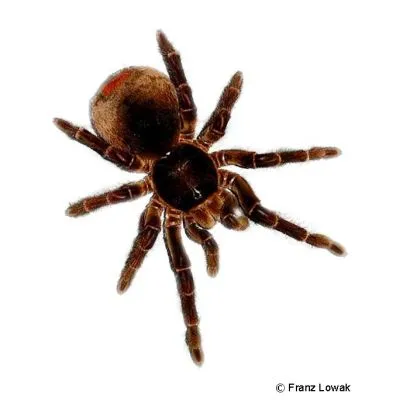
Caring for a Goliath Birdeater Tarantula is a rewarding experience for those who appreciate these unique creatures. By following these five essential care tips – choosing the right enclosure, creating a suitable habitat, providing a proper diet, maintaining optimal health, and understanding tarantula behavior – you can ensure that your Goliath Birdeater Tarantula thrives in captivity. These magnificent spiders are fascinating to observe and can provide years of enjoyment. Always prioritize the tarantula’s well-being, and seek additional information from experienced keepers or reputable sources. Enjoy the journey of responsible Goliath Birdeater Tarantula ownership!