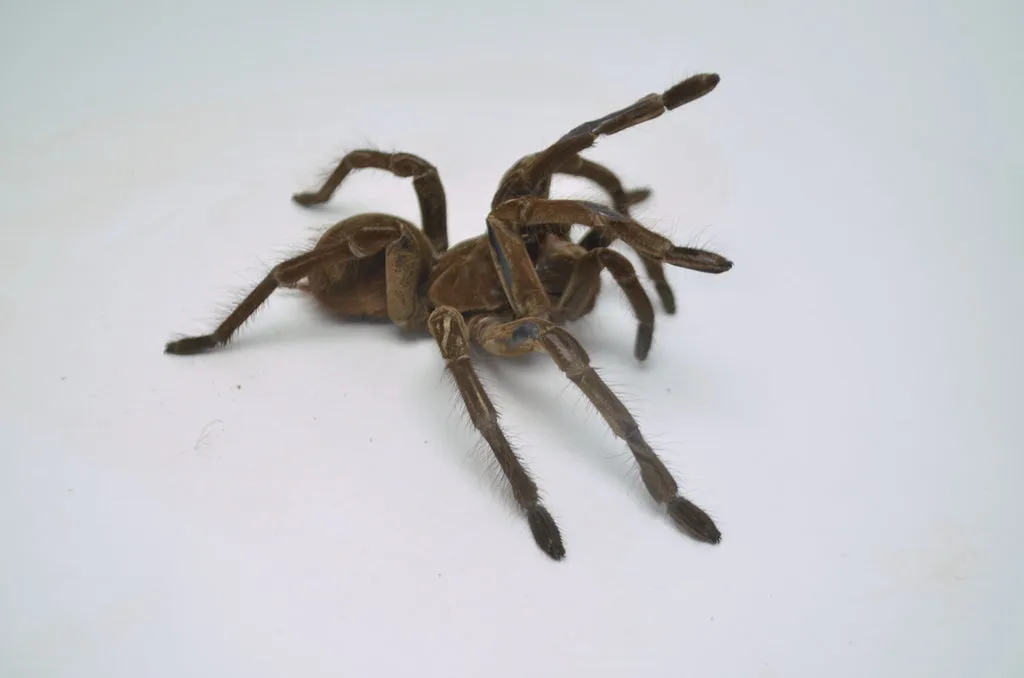
What is a Goliath Birdeater Tarantula
The Goliath Birdeater (Theraphosa blondi) is one of the largest spider species in the world, and is a true marvel of the animal kingdom. Known for its impressive size and intimidating appearance, this tarantula has captured the fascination of arachnid enthusiasts and the general public alike. Found primarily in the rainforests of South America, the Goliath Birdeater is aptly named, although birds make up a small part of their diet. This remarkable creature is a testament to the biodiversity and wonder of the natural world, and understanding its characteristics and behaviors is crucial for anyone interested in these impressive arachnids. Images of this tarantula often highlight its sheer size and imposing presence, showcasing the power and beauty of nature’s giants.
Size and Appearance
The Goliath Birdeater is truly a giant among spiders. Their massive size, coupled with their distinctive features, makes them easily recognizable. Their appearance is a combination of intimidating size and striking features, immediately capturing attention. The sheer scale of the Goliath Birdeater sets it apart from other tarantulas, making it a remarkable subject for observation and study. Images of this tarantula provide a sense of its grand size.
Massive Size

The Goliath Birdeater can have a leg span of up to 12 inches (30 centimeters) or more, making it one of the largest spiders in the world by mass. Their bodies can reach lengths of over 4 inches (10 centimeters). This size is a significant factor in their survival, allowing them to hunt larger prey and defend themselves against predators. Seeing an image of a Goliath Birdeater gives you a clear understanding of their size in comparison to other objects.
Distinctive Features
Goliath Birdeaters have a brown coloration, with reddish hairs covering their legs and body. They have large chelicerae (fangs) used for injecting venom and capturing prey. Their bodies are covered in urticating hairs, a defense mechanism. These hairs, when disturbed, can cause irritation. The combination of their size, color, and physical attributes make them stand out. Images of Goliath Birdeaters often focus on these key characteristics.
Habitat and Distribution
Understanding the Goliath Birdeater’s habitat is essential to appreciate its existence. Its natural environment plays a crucial role in its life, influencing its behavior, diet, and survival strategies. The unique characteristics of their habitat have contributed to the evolution and adaptation of this amazing arachnid. The environment of the Goliath Birdeater is key in providing everything it needs to thrive. Observing their natural habitat through images can provide insights.
Native Region

The Goliath Birdeater is native to the rainforests of northern South America. They are primarily found in countries such as Brazil, Venezuela, Guyana, Suriname, and French Guiana. Within these regions, they thrive in specific microclimates and ecological niches. Their presence in these regions is a testament to the rich biodiversity of the South American rainforests. Images from this region provide context of its natural habitat.
Preferred Environment
Goliath Birdeaters prefer humid, tropical environments. They are often found in burrows or under rocks and logs on the forest floor. They require high humidity to thrive, as this helps them maintain their health. They may also be found near sources of water to maintain hydration. The microhabitats that the Goliath Birdeater prefers are vital for its survival. Images often show the humidity and natural features of their habitat.
Diet and Feeding Habits
The diet and feeding habits of the Goliath Birdeater are as fascinating as the spider itself. Though named the Goliath Birdeater, birds are not a main food source, as the name implies. This impressive spider is a skilled hunter and a formidable predator in its ecosystem. Understanding their diet and the methods they use for hunting, gives us a great understanding of their survival techniques. Images of Goliath Birdeaters frequently show their eating habits.
Primary Food Source

The Goliath Birdeater’s diet primarily consists of insects, worms, and other invertebrates. They are opportunistic hunters and will also feed on small vertebrates like lizards, frogs, and even small snakes. Despite their name, birds are only occasionally part of their diet. Their powerful fangs and potent venom are used to subdue their prey. Images commonly show what they eat.
Feeding Frequency
Goliath Birdeaters, like many tarantulas, do not need to eat frequently. They can survive for long periods without food, particularly if they are well-hydrated. Adult Goliath Birdeaters typically eat once or twice a week. The feeding frequency will vary depending on the spider’s age, size, and the availability of food. Their ability to eat infrequently is a survival tactic in their environment. The frequency of feeding impacts their growth and development. See it on images.
Defense Mechanisms
The Goliath Birdeater has developed a number of defense mechanisms to protect itself from predators. These mechanisms are crucial for survival in their natural environment and allow them to ward off threats and ensure their survival. Their defense methods are interesting adaptations that help it survive. Images of Goliath Birdeaters demonstrate their defensive strategies.
Urticating Hairs

One of the primary defense mechanisms is the use of urticating hairs. These hairs are found on the abdomen and, when disturbed, can be brushed off by the spider. When they come into contact with skin or eyes, these hairs cause severe irritation. This is a common defense mechanism for many tarantula species. The urticating hairs serve as a deterrent to potential predators. See the hairs in images.
Fangs and Venom
The Goliath Birdeater also has large fangs (chelicerae) that it uses to inject venom. Although the venom is not typically lethal to humans, the bite can be very painful and can cause muscle cramps and other symptoms. The spider uses its fangs to subdue prey and to defend itself against threats. The fangs and venom are crucial tools for survival. Images often feature these impressive tools.
Lifespan and Care
Understanding the lifespan and the care requirements of the Goliath Birdeater is essential for anyone who wants to keep one as a pet. Knowing about these fascinating creatures is key to the long-term health and well-being of the Goliath Birdeater. Providing the right environment, diet, and care can greatly affect the longevity and health of this unique spider. Images of these spiders help you recognize a healthy or unhealthy Goliath Birdeater.
Average Lifespan

The lifespan of a Goliath Birdeater can vary. Females can live for 15 to 25 years, while males typically have a shorter lifespan, often around 3 to 6 years, as they tend to die after mating. The longevity of this spider is quite impressive, especially when compared to many other arachnid species. This is one factor that makes them interesting to keepers. Images are helpful in estimating the age.
Basic Care Requirements
Keeping a Goliath Birdeater as a pet requires creating a suitable habitat. This includes a large enclosure with appropriate substrate, like peat moss or coconut fiber, to maintain humidity. Temperature should be kept between 75-85°F (24-29°C). Provide a shallow water dish and offer a diet of insects. Handling should be kept to a minimum, as they can be easily stressed. Basic care can ensure this amazing spider thrives. Images of setups are valuable for beginners.
In conclusion, the Goliath Birdeater is a remarkable species, known for its size and unique characteristics. From their impressive size and appearance to their specialized habitat and defense mechanisms, they offer a compelling look into the world of spiders. This guide covered the basic facts and also gave you a brief introduction to their care requirements. Whether you are a spider enthusiast, or just someone who appreciates the natural world, the Goliath Birdeater remains a captivating subject. We hope this guide and the included images have provided you with a deeper appreciation for these amazing creatures.