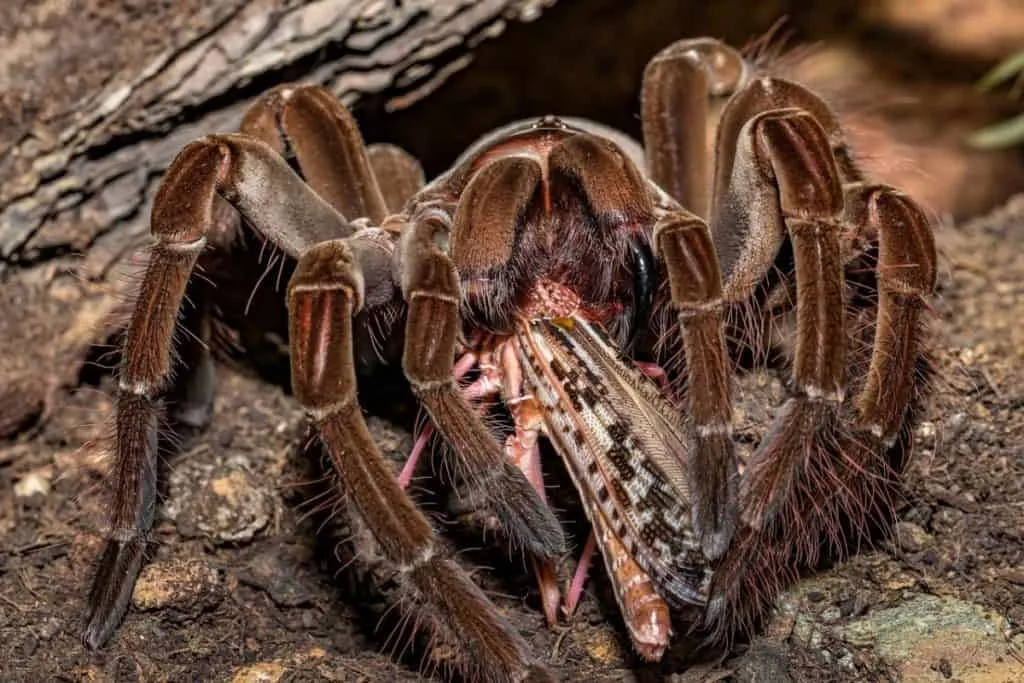
Goliath Spider Bird Eater Tarantula Overview
The Goliath Spider Bird Eater Tarantula, scientifically known as Theraphosa blondi, is a truly remarkable creature, captivating both arachnid enthusiasts and those with a casual interest in the natural world. As the world’s largest spider by mass and second-largest by leg span, this impressive arachnid hails from the rainforests of South America, where it reigns as a formidable predator. This article will delve into the fascinating world of the Goliath Spider Bird Eater Tarantula, exploring its physical characteristics, behavior, habitat, and the unique aspects that make it such a compelling subject of study. From its massive size and imposing presence to its intricate hunting strategies and life cycle, we’ll uncover a wealth of intriguing facts about this extraordinary spider.
Size and Appearance of the Goliath Spider Bird Eater Tarantula
The Goliath Spider Bird Eater Tarantula is a sight to behold, its sheer size immediately setting it apart from other spider species. Mature females can boast a leg span of up to 12 inches (30 cm) and weigh over 6 ounces (170 g), rivaling the size of a small puppy. Their bodies are covered in dense, reddish-brown hairs, providing both camouflage and sensory input. These hairs, known as setae, play a crucial role in detecting vibrations and air currents, helping the spider navigate its environment and locate prey. The chelicerae, or fangs, are also substantial, capable of delivering a painful bite, although the venom is generally not considered lethal to humans. These features combine to create a truly imposing and awe-inspiring presence. (goliath-spider-bird-eater-appearance.webp)
Habitat and Distribution

These magnificent arachnids are native to the rainforests of northern South America, primarily inhabiting the swampy and marshy areas of countries like Brazil, Venezuela, Guyana, Suriname, and French Guiana. They prefer to live in deep burrows, often near the roots of trees or under rocks, where they create a humid microclimate. These burrows offer protection from predators and the elements, providing a safe haven for the spider to rest, molt, and raise its young. The humid environment is crucial for the tarantula’s survival, as it helps to prevent dehydration. They are primarily nocturnal, emerging from their burrows at night to hunt for food. (goliath-spider-bird-eater-habitat.webp)
Diet and Feeding Habits
Despite its name, the Goliath Spider Bird Eater Tarantula rarely consumes birds. Its diet primarily consists of insects, worms, and other invertebrates. However, they are opportunistic predators and will occasionally capture and consume small vertebrates, such as lizards, frogs, and yes, sometimes even small birds if the opportunity arises. These spiders are ambush predators, relying on their excellent eyesight and sensory hairs to detect movement. They will sit and wait near the entrance of their burrows, ready to pounce on any unsuspecting prey that comes within range. The tarantula then uses its fangs to inject venom, which paralyzes the prey and begins the process of digestion. (goliath-spider-bird-eater-feeding.webp)
Interesting Fact 1
The Goliath Spider Bird Eater Tarantula has urticating hairs, which are barbed hairs on its abdomen that it can flick at potential threats. These hairs cause intense itching and irritation, serving as a defense mechanism against predators.
Interesting Fact 2

Female Goliath Bird Eater Tarantulas can live for over 25 years, making them one of the longest-lived spiders in the world. Males, on the other hand, have a much shorter lifespan, typically only living for 3-6 years.
Goliath Spider Bird Eater Tarantula Behavior
Goliath Bird Eater Tarantulas, like all spiders, have a diverse array of behaviors essential for survival, including their defense mechanisms and strategies for reproduction. They are generally nocturnal, spending most of the day inside their burrows to avoid predators and conserve energy. While not aggressive, these spiders will defend themselves when threatened. Their behavior is heavily influenced by environmental factors like humidity and temperature. They are solitary creatures, except during mating season, and they communicate with each other through vibrations and pheromones. Understanding their behaviors provides valuable insights into their survival strategies.
Defense Mechanisms
The Goliath Bird Eater Tarantula has several defense mechanisms. One of its primary defenses is its urticating hairs. When threatened, the spider can use its legs to flick these hairs towards the perceived threat, causing intense irritation to the skin and eyes. The spider also has large fangs that can deliver a painful bite. The bite of a Goliath Bird Eater Tarantula is not usually life-threatening to humans but can cause pain, redness, and swelling. Finally, they can also make a hissing sound by rubbing their legs together, which serves as a warning signal. (goliath-spider-bird-eater-defense.webp)
Lifespan and Reproduction

Female Goliath Bird Eater Tarantulas can live for an impressive 15 to 25 years, whereas males have a much shorter lifespan, typically only living for 3 to 6 years after reaching maturity. Reproduction in these spiders is a fascinating process. After mating, the female will lay several hundred eggs in a silken sac. She fiercely protects the eggs and the spiderlings until they are ready to leave the burrow. The spiderlings then disperse and begin their independent lives, molting as they grow to reach their adult size and sexual maturity. The long lifespan of females contributes to the perpetuation of the species. (goliath-spider-bird-eater-behavior.webp)
Goliath Spider Bird Eater Tarantula in Captivity
Keeping a Goliath Bird Eater Tarantula as a pet requires careful consideration and the right environment. While these spiders are not generally aggressive, their size and potent defenses demand respect. Prospective owners must be prepared to provide a secure and appropriate enclosure, maintain the correct environmental conditions, and handle the spider with caution. Their care involves providing a balanced diet, managing humidity and temperature, and understanding their unique behaviors and needs. When done responsibly, keeping a Goliath Bird Eater Tarantula can be a rewarding experience for experienced arachnid enthusiasts.
Care and Enclosure
A secure enclosure is essential for the safety of both the spider and the owner. The enclosure should be large enough to accommodate the spider’s size, with ample floor space for burrowing and exploration. A glass or plastic terrarium with a secure lid is recommended. The enclosure should be furnished with a deep layer of substrate, such as peat moss, coconut fiber, or a mix of both, to allow the spider to burrow. It’s also important to provide a hide, such as a piece of cork bark or a hollow log, where the spider can retreat and feel secure. The enclosure must also have proper ventilation. (goliath-spider-bird-eater-enclosure.webp)
Feeding and Hydration

Goliath Bird Eater Tarantulas typically eat insects such as crickets, roaches, and mealworms. Feed your spider a few appropriately sized insects once or twice a week. It’s important to ensure the prey insects are gut-loaded with nutritious food before offering them to the spider. Water should be provided in a shallow dish. The water should be changed regularly to maintain freshness. Ensure the water dish is shallow to prevent the spider from drowning. (goliath-spider-bird-eater-feeding.webp)
Common Health Issues
Like all animals, Goliath Bird Eater Tarantulas can be susceptible to certain health issues. Dehydration is a common problem if humidity levels are not maintained. Parasites can also be an issue, which can be prevented by proper hygiene. Regular cleaning of the enclosure and maintaining the right humidity levels are critical in preventing these health concerns. If you notice any unusual behavior or signs of illness, such as loss of appetite, lethargy, or swelling, consult with a veterinarian experienced in exotic animals. (goliath-spider-bird-eater-health.webp)