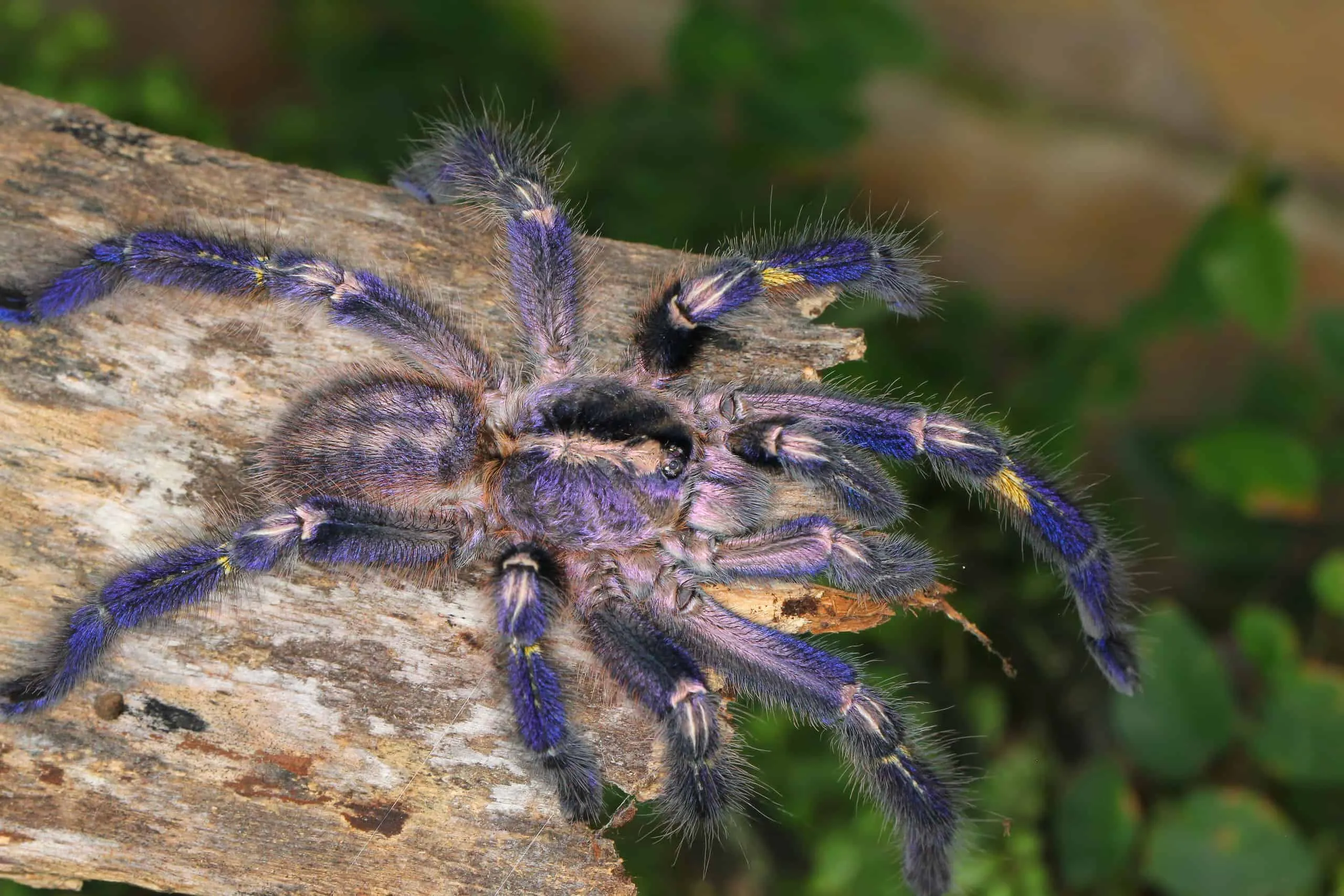
Gooty Sapphire Tarantula Feeding Top 5 Tips
The Gooty Sapphire Tarantula, with its striking blue hues, is a captivating pet for many arachnid enthusiasts. However, proper care, particularly feeding, is critical to its health and longevity. This guide provides top 5 secrets for successful Gooty Sapphire Tarantula feeding, ensuring your pet thrives. Understanding their dietary needs and providing a suitable environment are fundamental to their well-being. This involves selecting the right prey, establishing a consistent feeding schedule, and creating a safe space for your tarantula to eat. Implementing these tips will significantly contribute to your tarantula’s overall health and happiness, allowing you to enjoy your vibrant pet for years to come.
Understanding Your Gooty Sapphire Tarantula’s Diet
Gooty Sapphire Tarantulas are primarily insectivores, meaning their diet consists mainly of insects. In the wild, they would feed on various insects they can capture. In captivity, it’s our responsibility to provide them with a diet that meets their nutritional needs. The insects you provide should be gut-loaded, which means feeding them nutritious food before offering them to your tarantula. This ensures that the tarantula receives essential vitamins and minerals. Avoid feeding them insects collected from outdoors, as they may carry pesticides or parasites. The diet should be varied to prevent nutritional deficiencies and keep your tarantula engaged and interested in feeding. This also mimics their natural feeding behavior, contributing to their overall well-being.
Ideal Prey for Gooty Sapphire Tarantulas

The most common and suitable prey for Gooty Sapphire Tarantulas are crickets, mealworms, and roaches (like Dubia roaches). These insects are readily available, relatively easy to care for, and provide a good source of protein. Crickets are a classic choice, but they can be noisy and may stress your tarantula if left in the enclosure for too long. Mealworms are another option, but they have a hard exoskeleton, which can be harder for younger tarantulas to digest. Dubia roaches are often considered an excellent choice, as they are nutritious, relatively slow-moving, and do not burrow or climb, making them easier to manage within the enclosure.
Size Matters Choosing the Right Prey
A crucial aspect of feeding is prey size. The general rule is to offer prey that is no larger than the tarantula’s abdomen. Offering prey that is too large can stress or even injure your tarantula. For slings (spiderlings), smaller prey like pinhead crickets or pre-killed mealworms are ideal. As the tarantula grows, you can gradually increase the size of the prey. Regularly assess your tarantula’s size and adjust the prey size accordingly. Too large prey can lead to the tarantula feeling overwhelmed or potentially refusing to eat, which can impact its overall health. Properly sized prey ensures they can successfully capture, eat, and digest the food, thus supporting their growth and development.
Feeding Frequency How Often to Feed
The feeding frequency depends on the tarantula’s age and size. Spiderlings (young tarantulas) may need to be fed more frequently, such as every other day or every three days. As they grow into juveniles, you can reduce the frequency to once or twice a week. Adult Gooty Sapphire Tarantulas typically require feeding once every one to two weeks. It’s important to monitor your tarantula’s abdomen size; a plump abdomen usually indicates a well-fed tarantula. Overfeeding can lead to health issues, while underfeeding can stunt growth. Finding the right balance is key to their health and well-being.
Factors Influencing Feeding Frequency

Several factors influence how often you should feed your tarantula. The temperature in the enclosure plays a significant role; warmer temperatures can boost metabolism, which increases the need for food. The molting cycle also affects feeding; tarantulas often refuse to eat before and during molting. The tarantula’s overall health and activity level are other important considerations. If your tarantula appears sluggish or inactive, it might not be hungry, and you should avoid forcing it to eat. Always make adjustments based on your tarantula’s behavior and its current life stage. Consider the humidity levels and the availability of water. Observing these factors help you provide the optimal conditions for your tarantula’s feeding habits.
Observing and Responding to Feeding Behavior
Pay close attention to your tarantula’s feeding behavior. Healthy tarantulas should readily accept food. They will typically ambush their prey and quickly subdue it. If your tarantula doesn’t seem interested in the prey, remove the insect after 24 hours. Persistent refusal to eat may indicate a problem. Observe its posture, activity level, and abdomen size. If the tarantula has a full abdomen, it may not be hungry. Sometimes, they may refuse food before molting; a sign of molting is a darker abdomen. Observing and understanding these behaviors allows you to provide appropriate care and address any potential issues promptly.
Recognizing a Hungry Tarantula
A hungry Gooty Sapphire Tarantula often displays certain behaviors. They might be more active, exploring their enclosure, or positioning themselves near potential prey. You may see them quickly capture and subdue prey when offered. A hungry tarantula will have a smaller abdomen. This indicates they have metabolized their previous meal and are ready for another. Being familiar with the signs of hunger will help you to decide the best time to provide a meal. A healthy, hungry tarantula will be an active and engaging pet.
Dealing with Refusal to Eat

If your Gooty Sapphire Tarantula refuses to eat, don’t panic. Several factors can cause a tarantula to stop eating. The most common reason is usually molting, where they stop feeding for several weeks or even months before the process. The enclosure conditions such as temperature and humidity may also contribute to a lack of appetite. Stress can also lead to refusal; make sure to keep the enclosure clean and provide hiding places. Remove uneaten prey after 24 hours to avoid stressing the tarantula. If refusal continues for an extended period, consult with a veterinarian experienced with arachnids. It is crucial to identify the underlying reason for the refusal, and if the tarantula does not eat, then the underlying conditions must be assessed.
Maintaining Optimal Hydration
Hydration is critical for the health of your Gooty Sapphire Tarantula, as they obtain some moisture from their food, and they must have access to fresh water. They use water for drinking and to help with the molting process. Adequate hydration helps ensure healthy molting and overall wellbeing. Always keep a shallow water dish in the enclosure filled with fresh, clean water. The water dish should be shallow enough to prevent drowning, especially for younger tarantulas. Regularly check the water dish and refill it. This helps maintain proper hydration levels within the enclosure.
Importance of Fresh Water
Providing fresh, clean water at all times is essential for the tarantula’s health. Stagnant water can harbor bacteria and other harmful organisms. Use a shallow dish, such as a bottle cap or a commercial water dish designed for tarantulas. Regularly clean the water dish with warm water and a gentle soap to remove any buildup. Change the water daily to ensure it remains fresh and free of contaminants. Proper hydration helps your tarantula maintain good health, facilitating optimal bodily functions. Make sure the water is accessible and clean, and this basic step contributes to their overall health and longevity.
Proper Enclosure Setup for Feeding

A well-designed enclosure is vital for successful feeding. The enclosure should be appropriately sized for your Gooty Sapphire Tarantula, providing enough space for movement and hunting. It should also include appropriate substrate, such as coco fiber or vermiculite, to help maintain humidity levels. Provide plenty of hiding places, such as cork bark or artificial plants, to reduce stress and provide a sense of security. Make sure the enclosure has good ventilation to prevent mold and maintain optimal humidity. An ideal enclosure ensures the tarantula feels safe and secure. This helps encourage feeding behavior and reduces stress, ultimately benefiting their overall health and well-being.
Creating a Safe Feeding Environment
When feeding, create a safe and secure environment. Avoid introducing too many prey items at once, as uneaten prey can stress the tarantula. Observe your tarantula while feeding, and remove any uneaten prey after 24 hours to prevent the prey from bothering your pet. Ensure the enclosure is free from any potential hazards, like sharp objects, that could injure your tarantula. Avoid handling your tarantula immediately after feeding, as they are more vulnerable after a meal. Provide a stable environment with consistent temperature and humidity to create the perfect environment for healthy feeding habits.
In conclusion, successful Gooty Sapphire Tarantula feeding requires a combination of knowledge, observation, and patience. Following these top 5 tips, you can ensure your pet thrives, displaying vibrant colors and healthy behaviors. Remember that providing the right prey, a consistent feeding schedule, and a safe, secure environment are key to the long-term health and happiness of your Gooty Sapphire Tarantula. By investing time in understanding their needs, you can enjoy the rewarding experience of keeping these fascinating creatures. Proper care includes everything from enclosure maintenance to understanding the tarantula’s unique dietary needs.