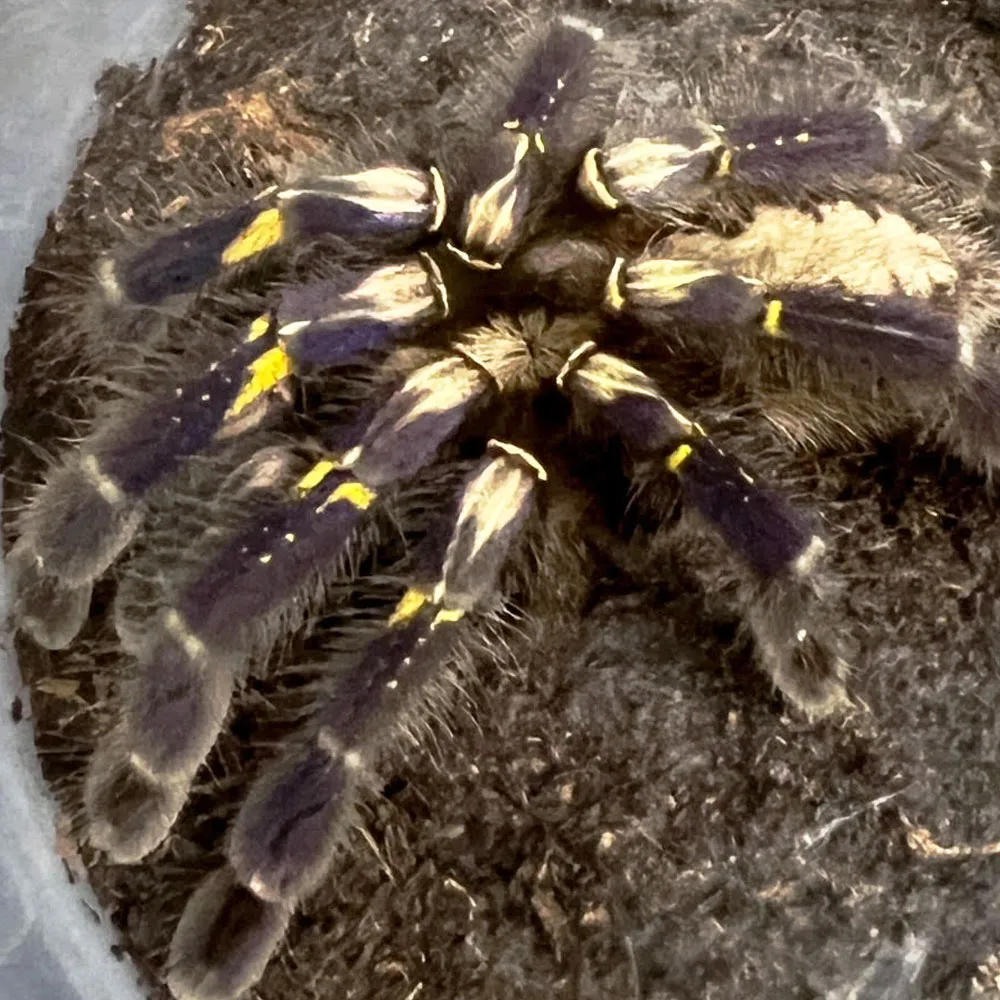
Gooty Sapphire Tarantula: What Makes Them Special
The Gooty Sapphire Tarantula (Poecilotheria metallica) is a truly mesmerizing species, captivating arachnid enthusiasts with its stunning coloration and unique characteristics. Native to a small region in India, these spiders are known for their vibrant blue and metallic sheen, making them a prized possession for any collector. This article explores five fascinating facts about this remarkable creature, offering insights into its appearance, habitat, behavior, and care requirements. Discover what makes the Gooty Sapphire Tarantula stand out in the world of tarantulas.
Appearance and Characteristics
The most striking feature of the Gooty Sapphire Tarantula is its vibrant coloration. Adults exhibit a metallic blue hue on their legs and carapace, contrasted by a dark abdomen marked with intricate patterns. The legs are covered in fine hairs, contributing to their overall velvety appearance. These tarantulas also have distinct banding patterns on their legs, which can vary slightly from one individual to another. The coloration intensifies as the tarantula matures, making adult specimens particularly sought after. The combination of colors and patterns makes them a true spectacle to behold, setting them apart from many other tarantula species and making them a prized possession for enthusiasts who appreciate their beauty.
Size and Lifespan

Gooty Sapphire Tarantulas are considered a medium-sized species, with females typically reaching a leg span of up to 7-8 inches. Males are generally smaller, with a leg span of around 6 inches. The lifespan of these tarantulas varies depending on their sex; females can live for up to 12-14 years, while males have a shorter lifespan of approximately 3-4 years. Proper care, including appropriate housing, diet, and environmental conditions, is essential to ensure these creatures live long and healthy lives. The significant size and longevity of females make them particularly desirable for tarantula keepers who are committed to long-term care and observation of these fascinating arachnids.
Gooty Sapphire Tarantula: Where They Live
Origin and Habitat
The Gooty Sapphire Tarantula is endemic to a small area in Andhra Pradesh, India. In the wild, they inhabit the dry, deciduous forests. These spiders are arboreal, meaning they primarily live in trees, constructing their webs in the crevices of tree bark or under loose bark. Their natural habitat is characterized by warm temperatures and moderate humidity. Sadly, habitat loss and over-collection have significantly impacted their wild populations, making them a vulnerable species. Conservation efforts are crucial to protect their dwindling natural habitat and ensure their survival in the wild. Protecting their natural environment is as important as caring for captive tarantulas, and contributing to conservation efforts can make a big difference.
Ideal Environment

In captivity, Gooty Sapphire Tarantulas require a carefully designed environment to thrive. A vertical arboreal enclosure is essential, providing ample space for climbing and webbing. The enclosure should be well-ventilated to prevent the buildup of excessive humidity, and a substrate of coconut fiber or a similar material is ideal for maintaining humidity levels and allowing for burrowing if the tarantula desires. Temperatures should be maintained between 75-85°F (24-29°C), and humidity levels should range from 60-70%. Providing a water dish with fresh water is essential, and regular misting can help maintain the appropriate humidity levels. It is crucial to create an environment that mimics their natural habitat to ensure their well-being and encourage natural behaviors.
Gooty Sapphire Tarantula: Behavior and Temperament
Defensive Mechanisms
Gooty Sapphire Tarantulas are known for their defensive nature. If they feel threatened, they will likely display a threat posture, raising their front legs and fangs in a warning display. They are also capable of a painful bite, although they usually prefer to flee if given the opportunity. Their venom is not considered lethal to humans, but the bite can cause localized pain, swelling, and muscle cramps. Due to their potent venom and tendency towards defensive behavior, it is important to handle them with caution and respect. Always be aware of their potential for defensive actions, and minimize unnecessary handling to reduce the risk of bites.
Handling Precautions

Handling Gooty Sapphire Tarantulas should be kept to a minimum and only done when absolutely necessary, such as for enclosure maintenance or health checks. Due to their fast movements and defensive nature, it is recommended that experienced keepers handle them. If handling is required, it should be done in a secure environment where the tarantula cannot escape. Gentle coaxing using a soft brush or other tool is often preferable to direct handling. Avoid sudden movements and be mindful of the tarantula’s signals. Always wash your hands thoroughly before and after handling, and be prepared for a potential bite. Prioritizing the safety of both the keeper and the tarantula is key to responsible ownership.
Gooty Sapphire Tarantula: Diet and Feeding
What They Eat
In their natural habitat, Gooty Sapphire Tarantulas are opportunistic predators, feeding primarily on insects, such as crickets, moths, and other invertebrates. In captivity, their diet should consist of appropriately sized insects, such as crickets, roaches, and mealworms. The size of the prey should be proportionate to the tarantula’s size; ideally, the prey should be no larger than the tarantula’s body. It’s also important to provide a variety of insects to ensure a balanced diet and avoid nutritional deficiencies. Gut-loading the insects before feeding them to your tarantula can further enhance their nutritional value, providing your pet with essential vitamins and minerals.
Feeding Frequency

The feeding frequency for Gooty Sapphire Tarantulas depends on their age and size. Spiderlings and juveniles should be fed more frequently, typically 2-3 times per week, while adult tarantulas can be fed once a week or even less. It is important to observe your tarantula’s feeding behavior and adjust the feeding schedule accordingly. If the tarantula refuses food, it may be in premolt (preparing to shed its exoskeleton) or not hungry. Remove uneaten prey after 24 hours to prevent stress and potential harm to the tarantula. Always ensure fresh water is available for hydration.
Gooty Sapphire Tarantula: Health and Care
Common Health Issues
Like all tarantulas, Gooty Sapphires can be susceptible to certain health issues. One common problem is dehydration, which can be prevented by providing a constant supply of fresh water and maintaining appropriate humidity levels. Another issue is mold or mites, which can arise from a dirty or overly humid environment. Regular cleaning of the enclosure and ensuring good ventilation are crucial to prevent these issues. Watch for signs of illness, such as lethargy, loss of appetite, or unusual behavior. If you suspect your tarantula is ill, it is best to consult with an experienced tarantula keeper or a veterinarian familiar with exotic animals.
Maintaining a Healthy Environment

Maintaining a healthy environment is paramount to ensuring the well-being of your Gooty Sapphire Tarantula. This includes regular cleaning of the enclosure, removing uneaten food and waste to prevent the growth of mold and bacteria. The substrate should be replaced periodically to maintain a clean and healthy environment. Monitoring the temperature and humidity levels with a reliable thermometer and hygrometer is also important. Avoid using harsh chemicals or cleaning agents near the enclosure. A well-maintained enclosure will help to prevent health issues and provide a comfortable living space for your tarantula, contributing significantly to its longevity and overall health. By implementing these steps, you can give your pet the best life possible.
Gooty Sapphire Tarantula: Fascinating Facts
Unique Traits
Beyond their stunning appearance, Gooty Sapphire Tarantulas possess a number of unique traits. They are fast-growing, which is an advantage for keepers. They are also known for their ability to create elaborate webs, which they use to ambush prey and create a comfortable habitat. Their venom, although not lethal to humans, is still potent enough to immobilize their prey efficiently. These spiders also exhibit fascinating behaviors, such as defensive posturing and the ability to flick urticating hairs (although this species is less prone to this than some other tarantulas), adding to their appeal for experienced keepers. These unique traits make them a captivating species to study and observe in a captive environment.
Conservation Status

Unfortunately, the Gooty Sapphire Tarantula faces significant threats in the wild. Habitat loss due to deforestation and agricultural expansion has severely impacted their natural environment. Illegal collecting for the pet trade has also put further pressure on wild populations. As a result, the species is considered vulnerable and is listed as such by conservation organizations. Supporting conservation efforts, promoting responsible pet ownership, and purchasing captive-bred specimens are crucial steps in protecting this remarkable species. Education and awareness play a vital role in ensuring the survival of the Gooty Sapphire Tarantula for future generations. Supporting reputable breeders that focus on ethical practices can also help.
In conclusion, the Gooty Sapphire Tarantula is a stunning and captivating species that continues to fascinate tarantula enthusiasts. Its unique appearance, fascinating behavior, and the challenges it faces in the wild make it a compelling subject of study and a rewarding pet for experienced keepers. By understanding its needs and supporting conservation efforts, we can ensure that this remarkable creature thrives for years to come.