Grapevine Tarantula Top 5 Facts!
The Grapevine Tarantula (Aphonopelma anax) is a fascinating creature, a large, hairy spider found primarily in Texas and surrounding areas. These impressive arachnids are a significant part of the local ecosystem, and their presence adds to the biodiversity of the region. Understanding these spiders can dispel common misconceptions and foster a greater appreciation for these often-misunderstood animals. This article explores five key facts about the Grapevine Tarantula, shedding light on its unique characteristics, behavior, and ecological role. From their preferred habitats to their dietary needs and reproductive cycles, we will uncover what makes the Grapevine Tarantula such a remarkable species.
What is a Grapevine Tarantula?
The Grapevine Tarantula is a species of tarantula native to North America, specifically found in the southwestern United States, with a strong presence in Texas. They are known for their large size and intimidating appearance, featuring a hairy body and long legs. Despite their formidable looks, they are generally not aggressive towards humans, preferring to avoid confrontation. These spiders are nocturnal hunters, spending their days in burrows and venturing out at night to search for food. Their lifespan can be quite long, with females living for many years, while males typically have a shorter life expectancy, often only a few years after reaching maturity.
Appearance and Identification

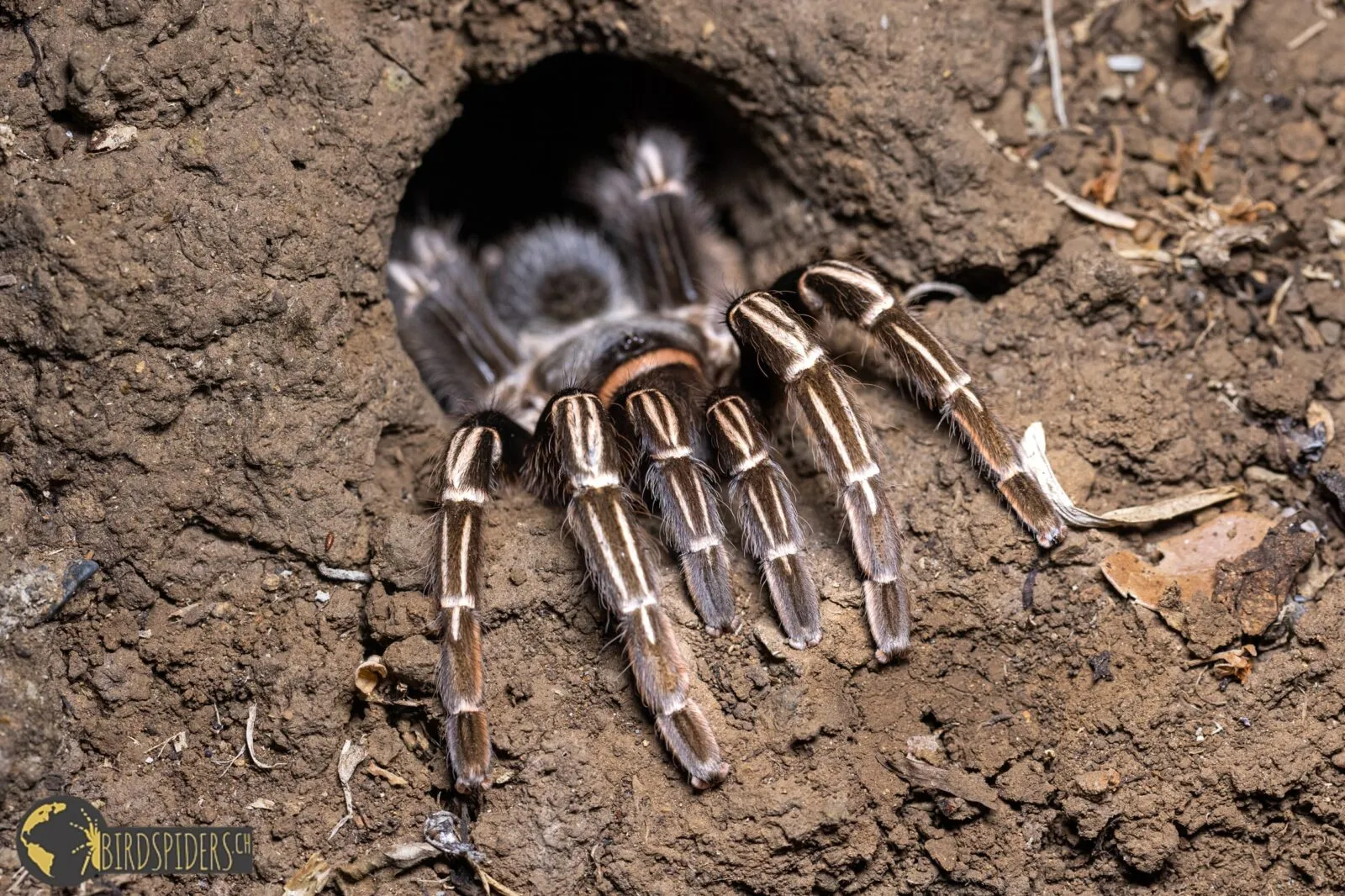
Identifying a Grapevine Tarantula involves recognizing its physical characteristics. They typically have a body length ranging from 1.5 to 3 inches, with a leg span that can reach up to 5 inches or more. Their coloration varies, often appearing in shades of brown, tan, or black, with a covering of fine hairs that give them a fuzzy appearance. They have two body segments, the cephalothorax (fused head and chest) and the abdomen. Their eight legs are covered in bristles, which help them climb and sense their surroundings. Distinguishing features, such as the size, color, and hairiness, are essential for accurate identification, helping to differentiate them from other tarantula species in the region. A clear photo of the spider is always helpful.
Fact 1 Habitat and Where They Live
Grapevine Tarantulas are primarily found in the southwestern United States, with Texas being a significant habitat. They thrive in a variety of environments, including grasslands, woodlands, and scrublands. These spiders are well-adapted to the arid and semi-arid climates of their region, often constructing burrows in the ground to escape the heat and protect themselves from predators. Their burrows can be quite extensive, extending several inches underground and providing a safe haven during the day. The availability of suitable soil for burrowing and a consistent supply of prey are essential for their survival. They prefer areas with well-drained soil, which allows them to create and maintain their underground homes effectively. They are very common in the Grapevine, Texas area, hence the name.

Fact 2 Diet and Feeding Habits
As nocturnal hunters, Grapevine Tarantulas are primarily insectivores, feeding on a variety of insects and other arthropods. Their diet consists of crickets, grasshoppers, beetles, and occasionally, smaller spiders. They are ambush predators, waiting patiently near the entrance of their burrows or actively stalking their prey. When an unsuspecting insect comes within reach, the tarantula quickly pounces, injecting venom through its fangs to immobilize and kill the prey. Once the prey is subdued, the tarantula uses its chelicerae (mouthparts) to grind the food into a liquid form, consuming the nutrient-rich juices. The frequency of feeding varies depending on the spider’s size and the availability of food, with larger tarantulas sometimes going for weeks or even months without eating. They need a healthy supply of crickets to survive.

Fact 3 Behavior and Temperament

Grapevine Tarantulas are generally docile spiders, preferring to avoid confrontation rather than attack. They are not typically aggressive towards humans, and bites are rare. When threatened, their primary defense mechanism is to flick urticating hairs from their abdomen, which can cause skin irritation. They also possess powerful fangs that they use for defense, but they are unlikely to bite unless provoked. These spiders are solitary creatures, only coming together during mating season. Their behavior is largely influenced by their environment, with factors such as temperature, humidity, and the presence of prey affecting their activity levels. Observing their behavior in their natural habitat provides valuable insights into their daily routines and survival strategies.

Fact 4 Reproduction and Life Cycle
The reproduction process of Grapevine Tarantulas is a fascinating aspect of their life cycle. Males, after reaching maturity, embark on a quest to find a mate, often traveling long distances. They use their pedipalps (small appendages near the mouth) to store sperm, which they transfer to the female during mating. The female lays her eggs in a silken egg sac, which she carefully protects. The number of eggs can vary, ranging from a few hundred to over a thousand, depending on the size and health of the female. The spiderlings hatch from the eggs and go through several molts as they grow, shedding their exoskeleton to allow for growth. Females can live for many years, while males typically have a shorter lifespan, often only surviving for a year or two after maturity.

Fact 5 Conservation Status and Threats
The conservation status of Grapevine Tarantulas is generally considered to be of least concern, meaning they are not currently facing significant threats to their survival. However, like many species, they are vulnerable to habitat loss due to urbanization and agricultural expansion. The use of pesticides can also negatively impact their prey base, affecting their ability to find food. Climate change could also pose a threat, altering their habitat and potentially affecting their survival. Conservation efforts include protecting their natural habitats and educating the public about the importance of these fascinating creatures. Sustainable practices, like avoiding the use of pesticides, can help ensure their survival for future generations. They are most common in Texas, which is shown here.

Grapevine Tarantula Interesting Facts

Beyond the core facts, the Grapevine Tarantula has some interesting characteristics that make it all the more intriguing. They have the ability to regenerate lost limbs during molting, which is a remarkable adaptation. They can also survive for extended periods without food, making them well-suited to the harsh conditions of their habitat. The venom of a Grapevine Tarantula is not considered dangerous to humans, causing only mild effects similar to a bee sting. They are also popular pets due to their relatively docile nature and manageable care requirements. These additional facts add to the rich tapestry of information surrounding the Grapevine Tarantula, showcasing its resilience and adaptability.

Grapevine Tarantula vs. Other Tarantulas
Compared to other tarantula species, the Grapevine Tarantula stands out due to its specific geographic location and temperament. Unlike some more aggressive species, Grapevine Tarantulas are generally less prone to biting or defensive behaviors. Their size, coloration, and the texture of their hairs also differ from other tarantulas. They are well-adapted to the Texan environment, which gives them a unique advantage compared to species that thrive in other parts of the world. Their preference for constructing burrows and their dietary habits distinguish them from arboreal or ground-dwelling tarantulas. These distinctions are crucial for understanding their place in the arachnid world.

Conclusion
The Grapevine Tarantula is a remarkable species that showcases the diversity and adaptability of the natural world. From their habitat in the Texan grasslands to their feeding habits and life cycle, these spiders offer valuable insights into the world of arachnids. By understanding their characteristics, behavior, and conservation status, we can appreciate the importance of these creatures and the need to protect their natural environment. Further research and conservation efforts are essential to ensure that the Grapevine Tarantula continues to thrive for generations to come.