Understanding Chaco Golden Knee Tarantulas
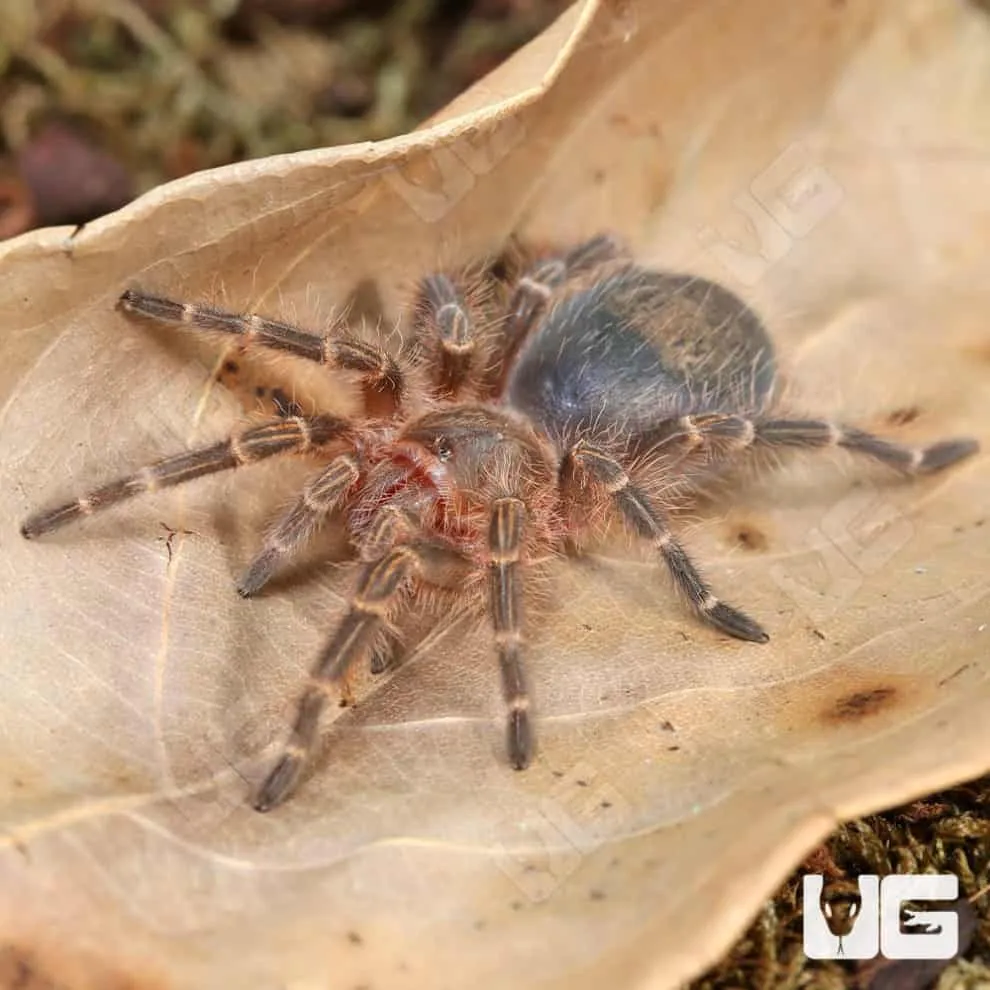
The Chaco Golden Knee tarantula (Grammostola pulchripes) is a captivating species, popular among tarantula enthusiasts. Native to South America, these terrestrial spiders are known for their striking appearance, featuring a dark body adorned with golden stripes on their legs. Their relatively docile temperament contributes to their popularity as pets, but it’s crucial to understand their needs and behaviors before considering handling. These tarantulas are generally slow-moving and not prone to aggression, making them a good choice for beginners, but always handle with care. They possess urticating hairs, which can cause skin irritation, and a bite, though rare, can be painful. Understanding their natural habitat and behavior is the first step toward safe and responsible handling.
Temperament of Chaco Golden Knee Tarantulas
Chaco Golden Knee tarantulas are generally considered to have a docile temperament, making them one of the more manageable species for handling. Unlike some tarantulas that are quick to display defensive behaviors, the Chaco Golden Knee often displays a more laid-back attitude. However, this does not mean they are always receptive to being handled. Each tarantula has its own personality, and some may be more skittish or defensive than others. Young tarantulas, or spiderlings, can be more unpredictable due to their smaller size and increased vulnerability. Proper handling techniques, a calm environment, and a good understanding of their body language are essential to minimize stress for both the spider and the handler. While they are generally docile, always approach them with respect and caution.
Handling Chaco Golden Knee Tarantulas Top 5 Tips

Handling a Chaco Golden Knee tarantula should be approached with care and respect. It’s important to remember that while these spiders are generally docile, they are still wild animals and can react defensively if they feel threatened. Following these top 5 tips will ensure a safe and positive experience for both you and your tarantula.
Tip 1 Create a Calm Environment
Before even considering handling, ensure the environment is calm and free of sudden movements or loud noises. Tarantulas are sensitive to vibrations and disturbances. Choose a time when the tarantula is not likely to be stressed, such as shortly after feeding or when it is active. Avoid handling during molting, as the tarantula is extremely vulnerable during this period. Close doors, turn off loud music or the TV, and make sure there are no pets or children running around. A quiet, well-lit room is ideal. A stressed tarantula is more likely to display defensive behaviors. The goal is to create a space where the tarantula feels safe and secure, increasing the likelihood of a smooth handling experience.
Tip 2 Use Proper Tools
While direct handling is possible with Chaco Golden Knees, using tools like a soft paintbrush or a small cup can significantly reduce the risk of stress and injury. The paintbrush can gently guide the tarantula to move to a new location, while the cup can be used to safely relocate it without direct contact. Always keep a clear escape route for the tarantula if it becomes agitated, ensuring it can return to its enclosure without difficulty. This allows you to manage the interaction with the tarantula, giving you control and protecting your pet. These tools act as a barrier, preventing direct contact and making it less likely for the spider to feel threatened. This added layer of safety is always recommended.
Tip 3 Gentle Approach

Approach the tarantula slowly and deliberately. Avoid sudden movements or reaching quickly into its enclosure. Speak softly and calmly to reassure the spider. If you are using your hands, gently coax the tarantula onto your palm, allowing it to walk onto your hand rather than picking it up. Never grab the tarantula. The goal is to build trust and minimize the perception of threat. Let the tarantula guide the interaction and give it time to acclimate to your presence. A gentle approach ensures that the tarantula doesn’t feel cornered or threatened, greatly increasing the chances of a successful and stress-free handling experience.
Tip 4 Observe Body Language
Learning to read your tarantula’s body language is crucial for safe handling. Defensive postures include raising the front legs, rearing up, or displaying the fangs. The tarantula may also flick its urticating hairs, which can cause skin irritation. If you observe any of these behaviors, immediately cease handling and allow the tarantula to retreat. Understanding these cues allows you to react appropriately and avoid potentially stressful situations. Being mindful of your tarantula’s signals minimizes stress and reduces the risk of a negative interaction. Always prioritize the well-being of the tarantula by respecting its boundaries.
Tip 5 Avoid Overhandling
Even if your Chaco Golden Knee seems comfortable with handling, avoid doing it too frequently. Overhandling can stress the tarantula, leading to loss of appetite, changes in behavior, and potential health issues. Limit handling to short periods, ideally only when necessary, such as for cleaning or health checks. Providing a safe, stable environment is paramount to the tarantula’s well-being. Allowing the tarantula to roam around for a short time, then returning it to its enclosure is advisable. This ensures that the spider remains calm and healthy. Remember that tarantulas are best observed and appreciated from a distance, in their natural environment.
Potential Risks During Handling

While Chaco Golden Knees are generally docile, handling always carries potential risks. Urticating hairs can cause skin irritation and allergic reactions. A bite, though rare, can be painful and may require medical attention. Dropping the tarantula can lead to serious injuries or even death. Always handle the tarantula over a soft surface, such as a bed or a carpet, to minimize the risk of injury if it falls. Be prepared to react calmly to avoid startling the spider. By understanding these risks and taking appropriate precautions, you can minimize the potential for harm.
Defensive Behaviors of Chaco Golden Knee Tarantulas
Chaco Golden Knee tarantulas exhibit certain defensive behaviors when they feel threatened. These behaviors can include rearing up, displaying fangs, and flicking urticating hairs. Rearing up is a clear sign of agitation, while displaying fangs indicates the tarantula is ready to bite. Flicking hairs is a common defense mechanism. If you observe any of these behaviors, it’s crucial to stop handling immediately. Providing a clear escape path for the spider is essential. Understanding these defensive cues allows you to respond appropriately and avoid escalating the situation. Always prioritize the spider’s comfort and safety.
Common Mistakes to Avoid
Several mistakes can undermine a safe and positive handling experience. Grabbing the tarantula is a major mistake, as it can startle and stress the spider. Failing to observe body language is another common error. Overhandling is also detrimental to the tarantula’s well-being. Not having a clear escape plan can lead to problems as well. Ignoring signs of stress or pushing the tarantula beyond its comfort level is also a big mistake. By avoiding these errors, you can significantly improve the chances of a positive handling experience. Being prepared, patient, and respectful is key.
Post-Handling Care for Your Tarantula

After handling, it’s important to return the tarantula to its enclosure and allow it to rest. Monitor its behavior for any signs of stress, such as a change in appetite or activity level. Ensure the enclosure is clean and provides adequate space and hiding places. Provide fresh water and maintain the proper temperature and humidity levels. Proper post-handling care ensures that the tarantula remains healthy and comfortable. Avoid handling again until it has fully recovered from any stress. By following these steps, you can ensure the long-term health and well-being of your Chaco Golden Knee tarantula.