Why Handling Tarantulas After Feeding Matters
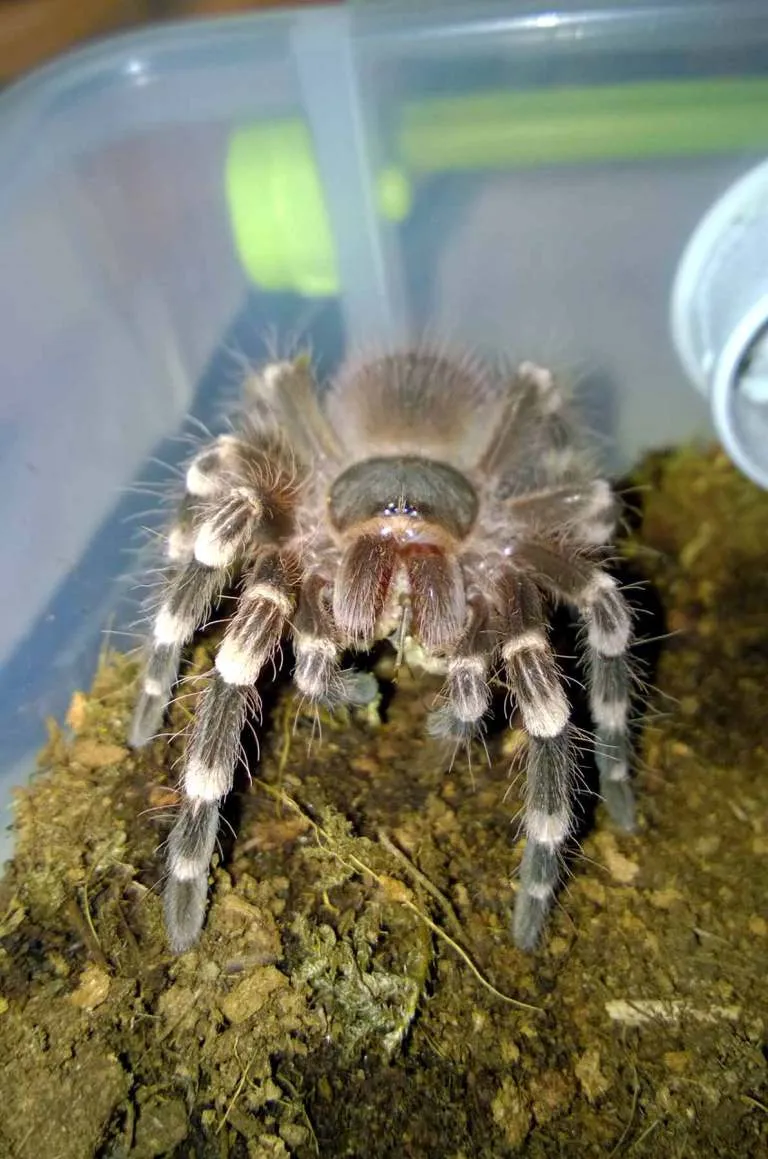
Handling a tarantula after it has eaten requires a different approach than handling at other times. Understanding the reasoning behind this change in approach is crucial for the safety and well-being of both the spider and the handler. The process of digestion significantly impacts a tarantula’s behavior and physical capabilities. Knowing the basics helps ensures you’re interacting with your pet safely and respectfully, which will lead to a more rewarding experience for both of you. This careful approach minimizes stress on the tarantula, reducing the likelihood of defensive behaviors like biting or flicking urticating hairs. It also helps to prevent accidental injury to the spider while it is in a vulnerable state, such as when its abdomen is enlarged.
Understanding Tarantula Behavior
Tarantulas, like all living creatures, exhibit varied behaviors that indicate their mood, health, and needs. Learning to read these behaviors is a fundamental aspect of responsible tarantula ownership. Tarantulas are generally solitary animals, and their behavior can range from calm and curious to defensive and aggressive. Recognizing these different states helps you to handle them appropriately. Factors such as the species of tarantula, its age, and its current environment will all influence its behavior. Some species are naturally more docile, while others are quicker to react defensively. Younger tarantulas often exhibit different behaviors compared to adults, too.
How Digestion Affects Behavior
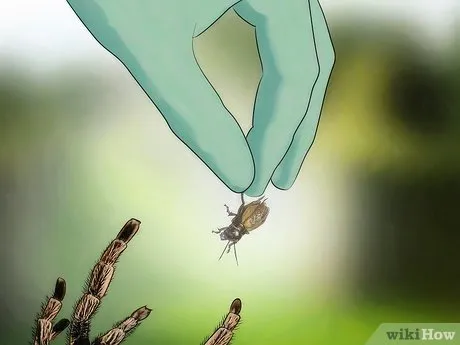
Digestion is an energy-intensive process for tarantulas, making them more vulnerable and potentially less responsive to their environment. After eating, a tarantula’s abdomen will be noticeably larger. This distension puts pressure on internal organs and impacts its mobility. A tarantula’s instinct is to protect itself during this vulnerable period. Any perceived threat, including handling, could trigger a defensive response. During digestion, the tarantula’s fangs may be more likely to be used defensively, and the spider’s overall coordination might be slightly impaired, increasing the risk of accidents if handled. Avoiding handling immediately after feeding minimizes stress and allows the tarantula to process its meal safely.
Best Practices for Handling After Feeding
Handling tarantulas after feeding involves a series of precautions. This approach involves a combination of patience, awareness, and gentle techniques. These practices prioritize the spider’s well-being and safety. When approached with understanding and respect, you can minimize the risks and enjoy a positive experience for both you and your pet. Always ensure you are in a suitable environment to handle your tarantula, away from any potential hazards. These best practices help you to handle your tarantula responsibly.
Tip 1 Wait Appropriate Time
The cornerstone of safe post-feeding handling is patience. Giving your tarantula ample time to digest its meal is the most important step. This waiting period allows the tarantula to recover its usual agility and defensive capabilities. It also reduces stress on the spider and lowers the risk of it feeling threatened.
Why Waiting is Crucial
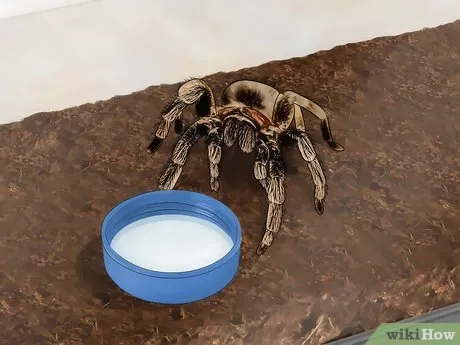
Waiting gives the tarantula time to process its meal, returning its energy levels to normal. This reduces the likelihood of a defensive reaction if the spider feels threatened. It also allows the tarantula to move more efficiently. A well-fed tarantula is more vulnerable, and waiting mitigates these risks. This crucial step significantly increases the safety of handling.
How Long Should You Wait
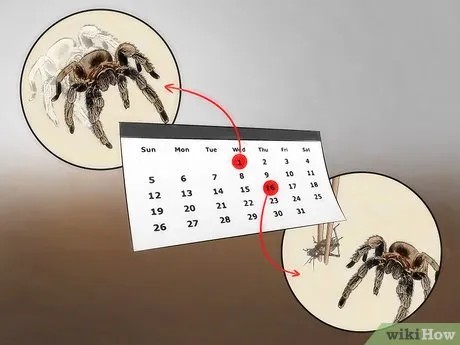
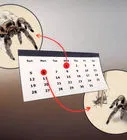
The waiting period varies depending on the size and species of the tarantula, as well as the size of its meal. In general, it is best to wait at least 24 to 48 hours after a feeding. For larger meals or larger tarantulas, you may want to extend the waiting period to up to a week. Observe the tarantula’s behavior; if it seems restless or agitated, it’s best to wait a bit longer. Always prioritize the well-being of your pet, and adjust your handling schedule accordingly.
Tip 2 Avoid Disturbing the Tarantula
Creating a calm environment is key to minimizing stress for your tarantula. This means avoiding sudden movements, loud noises, and any actions that could be perceived as threatening. A peaceful environment will help your tarantula feel safe and secure. This will also increase the chances that the spider will remain docile.
Recognizing Signs of Stress
Learn to recognize the signs of stress in your tarantula. These can include a defensive posture (rearing up on its hind legs), flicking urticating hairs, or attempting to flee. If you observe any of these behaviors, it’s a clear signal that the tarantula feels threatened, and handling should be postponed or stopped immediately. Understanding these signs enables you to respond appropriately, ensuring the tarantula’s safety and well-being.
Creating a Calm Environment
Minimize disturbances in the tarantula’s enclosure. Keep the area quiet and free from sudden movements. Avoid tapping on the enclosure or making loud noises near the tarantula. A consistent routine and a quiet environment help your tarantula feel secure. When handling, do so in a quiet space, away from potential stressors like pets or children. A calm environment minimizes stress and supports a positive handling experience.
Tip 3 Use a Soft Brush
If you need to coax your tarantula out of its enclosure, using a soft brush can be a gentle and effective method. This method avoids direct handling, which can be stressful. Brushing encourages the tarantula to move to a safer location. Always ensure that the brush is clean and soft. The aim is to guide, not to force, the spider.
Gentle Methods for Handling
Gentle methods prioritize the safety of the tarantula. Avoid any actions that might startle or frighten the spider. Coaxing, rather than forcing, is the key principle. If you need to move your tarantula, the soft brush method is often preferred. Always be patient and move slowly when interacting with your tarantula.
Proper Brushing Techniques
Hold the brush gently and use it to lightly touch the tarantula’s legs or body. This gentle contact often prompts the tarantula to move in the direction you want it to go. Never brush the spider against the direction of its hairs, as this can be irritating. Brush with patience, and allow the tarantula to move at its own pace. This technique minimizes stress and makes handling safer.
Tip 4 Observe Your Tarantula
Paying close attention to your tarantula’s body language is crucial for understanding its mood and readiness for handling. Observing your tarantula will help you to recognize signs of stress or discomfort. This awareness allows you to handle your tarantula in a way that minimizes stress and increases the safety of both you and the spider. By understanding your pet’s signals, you create a more positive and safe interaction.
Body Language and Signals

Learn to interpret the body language of your tarantula. A tarantula that is relaxed may simply stand still. A defensive stance, such as rearing up on its hind legs, indicates that the tarantula feels threatened. Flicking urticating hairs is another sign of distress, as is attempting to flee. Understanding these behaviors allows you to respond appropriately. If the tarantula shows any signs of stress, immediately stop handling.
Knowing When to Stop
It is essential to know when to stop handling. If your tarantula shows any signs of stress or discomfort, immediately cease handling. This may include retreating to its hide, displaying a defensive posture, or flicking hairs. Always prioritize the well-being of your tarantula. If handling is causing stress, it is best to stop and try again later, after the tarantula has had time to relax. Knowing when to stop shows respect for your pet and ensures a safe handling experience.
Tip 5 Handle With Confidence
Confidence is essential for handling tarantulas. Nervousness can transmit to the spider, potentially causing it to become agitated. A confident approach helps create a calm environment, which reduces the likelihood of the tarantula feeling threatened. Always approach the handling with a steady hand and a calm demeanor. Confidence in your actions will make the experience safer for both you and your pet.
The Importance of a Steady Hand

A steady hand minimizes the risk of accidental drops or injuries to the tarantula. Sudden movements can startle the spider, leading to a defensive reaction. Move slowly and deliberately, and support the tarantula’s body gently. Avoid quick changes in direction or height. A steady hand promotes a feeling of security for the tarantula. This technique supports a calm, controlled interaction.
Benefits of Confident Handling
Confident handling helps create a more positive interaction with your tarantula. It reassures the spider and reduces stress. A confident approach can also help you remain calm, enabling you to react appropriately in unexpected situations. Handling with confidence fosters a sense of trust between you and your pet. This creates a more rewarding and safer experience. A confident handler can better respond to the tarantula’s needs.
Potential Risks and How to Mitigate Them
While handling tarantulas can be a rewarding experience, it’s important to be aware of the potential risks. Understanding these risks allows you to take appropriate precautions. This awareness helps you to provide a safe environment for both yourself and your pet. By addressing potential problems and implementing preventive measures, you can minimize danger and ensure a positive handling experience.
Bite Risks and Prevention
Tarantulas can bite in self-defense, but bites are rare, especially if you follow safety guidelines. The most common bite risk comes from handling during or soon after feeding. To prevent bites, avoid handling your tarantula immediately after it has eaten. Always respect the tarantula’s space and body language. Be mindful of the spider’s posture. Maintain a safe distance and never put your fingers in front of its fangs. This precaution helps minimize the likelihood of a bite. Preventing bites requires responsible handling practices.
Dealing With a Bite
While uncommon, knowing how to handle a bite is important. If a tarantula bites you, remain calm and assess the situation. Most tarantula bites are not life-threatening. Clean the bite wound thoroughly with soap and water. Apply a cold compress to reduce swelling and pain. Monitor the bite for any signs of infection. Seek medical attention if you experience severe symptoms such as difficulty breathing or an allergic reaction. Prompt and appropriate care will help mitigate the impact of a bite.
Conclusion
Handling tarantulas after feeding requires understanding and careful preparation. By following these five pro tips, you can create a safer and more enjoyable experience for both you and your pet. Remember to prioritize the well-being of your tarantula by waiting an appropriate amount of time after feeding. Recognize and respect your tarantula’s body language. By following these guidelines, you can enjoy a rewarding experience and ensure the health and happiness of your tarantula. Happy handling!