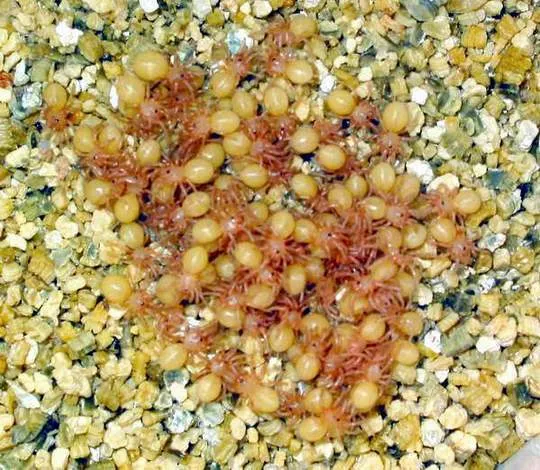
Baby Tarantula Hatching: The Beginning
The captivating world of tarantulas extends beyond their impressive size and striking appearance. For enthusiasts, the process of baby tarantula hatching represents a unique and rewarding aspect of tarantula keeping. This guide provides a comprehensive overview of how to successfully hatch baby tarantulas. We will cover everything from understanding the fundamentals of tarantula reproduction to the critical steps involved in caring for the delicate spiderlings. Whether you’re a seasoned tarantula keeper or just starting your journey, this guide equips you with the knowledge to navigate the fascinating process of baby tarantula hatching, ensuring the health and well-being of these tiny arachnids.
Understanding Tarantula Eggs and Their Development
Before delving into the hatching process, it’s essential to understand the basics of tarantula eggs and their development. Tarantulas, like other arachnids, reproduce through eggs. After mating, the female tarantula creates an egg sac, a silken pouch that houses the eggs. Inside this protective sac, the eggs undergo several stages of development. The duration of this process varies depending on the species, temperature, and humidity levels. The egg sac provides a controlled environment where the eggs can safely develop into spiderlings. Understanding this process is crucial for providing the optimal conditions for a successful hatching. A clear understanding of the development stages will enable you to identify potential issues and intervene if necessary.
The Lifecycle of a Tarantula Egg Sac
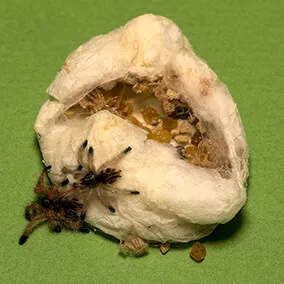
The life cycle within the egg sac is a delicate ballet of biological processes. Initially, the eggs are small and relatively opaque. Over time, they begin to develop, and you might see subtle changes in their appearance. As the embryos grow, the eggs begin to take on a more distinct shape and size. The female tarantula diligently protects the egg sac, often turning and aerating it to ensure even development. The duration of the egg sac stage varies greatly among tarantula species. Some may hatch in a few weeks, while others can take several months. The environmental conditions play a critical role. Maintaining optimal temperature and humidity accelerates the development process, which is vital for ensuring the health of the emerging spiderlings.
Factors Influencing Hatching Success
Several factors significantly influence the successful hatching of baby tarantulas. Understanding these elements is paramount for achieving optimal results. The quality of the eggs themselves, the environmental conditions provided, and the health of the mother tarantula all play crucial roles. Any compromises in these areas can jeopardize the entire process, leading to a lower hatch rate or unhealthy spiderlings. It is a carefully choreographed interplay of factors. Taking the time to understand and manage these aspects will greatly increase the likelihood of a successful hatch and the subsequent survival of the baby tarantulas.
Temperature and Humidity Control
Temperature and humidity are critical factors in the hatching process. Most tarantula species thrive within a specific temperature range. Maintaining the correct temperature is critical for the eggs’ proper development. Use a reliable thermometer to monitor and regulate the temperature within the enclosure. Humidity also plays a significant role. The level of humidity must be carefully managed to prevent the eggs from drying out or developing mold. The ideal humidity range will depend on the species of tarantula, but it’s typically between 70% and 80%. Regularly misting the enclosure or using a humidifier is an effective method for maintaining the required humidity level. Constant monitoring and adjustment are key to maintaining the right conditions.
The Importance of Proper Ventilation

Proper ventilation is as crucial as temperature and humidity. Adequate airflow is essential for preventing mold growth, which can be deadly for developing eggs. Ensure the enclosure has sufficient ventilation, but be careful not to allow the humidity to drop excessively. Ventilation helps to circulate the air, removing excess moisture and preventing the buildup of harmful gases. If you observe condensation inside the enclosure, it’s a sign that the ventilation may need to be improved. A well-ventilated enclosure promotes healthy development and reduces the risk of fungal infections. Regularly check the ventilation to ensure it’s functioning correctly, making adjustments as needed.
Identifying a Healthy Egg Sac
Knowing how to identify a healthy egg sac is vital for the success of the hatching process. A healthy egg sac typically appears firm and intact, with a smooth, silken exterior. The color of the egg sac will vary depending on the species. However, it should be free from any visible mold or discoloration. It is often difficult to determine the internal condition of the eggs without disturbing the sac. Careful observation of the mother tarantula’s behavior can also provide clues. She will typically guard the egg sac diligently, turning it regularly to ensure all eggs are exposed to the optimal conditions. Be cautious and gentle during any handling to avoid damaging the delicate eggs within.
Signs That Hatching is Imminent
As the hatching date approaches, there are several signs to watch for. One of the most obvious signs is that the egg sac begins to appear less plump and slightly translucent. You might start to see the tiny spiderlings moving within the sac. The mother tarantula may also become less attentive to the egg sac, spending less time guarding it. Once you observe these signs, you can be sure that hatching is very close. At this point, it’s important to prepare for the arrival of the baby tarantulas. Get ready to provide them with the appropriate environment and food. Patience and observation are key at this stage, as the hatching process can vary in duration.
Baby Tarantula Hatching: The Process

The actual hatching process is a remarkable event to witness. The baby tarantulas, also known as spiderlings, will emerge from the egg sac. They are tiny and vulnerable at this stage. They may cluster together initially, still relying on the protection of the egg sac. The timing of this varies but can often be a few weeks to a few months. You must maintain the correct temperature, humidity, and ventilation levels during this delicate phase. The spiderlings are very susceptible to environmental changes and require the utmost care. Watching the spiderlings emerge and develop is an exciting aspect of tarantula keeping.
Assisting Hatching Baby Tarantulas
In most cases, it’s best to allow the hatching process to proceed naturally. However, in certain situations, you may need to assist. If the egg sac appears to be stuck or the spiderlings have trouble emerging, you may need to carefully open it. Be extremely gentle. Use a soft, damp paintbrush to gently coax the spiderlings out. Never force the process, as you could injure the delicate baby tarantulas. Always ensure your hands and tools are clean. If you’re unsure or hesitant, it’s always advisable to consult an experienced tarantula keeper or a veterinarian specializing in exotic animals.
Post-Hatching Care for Baby Tarantulas
Once the baby tarantulas have hatched, the real work begins. Proper post-hatching care is crucial for their survival and development. This phase requires consistent attention to ensure that each spiderling thrives. Provide a safe and suitable environment, ample food, and a secure habitat. The survival rate of baby tarantulas heavily depends on the quality of care they receive during their early days. Be prepared to provide for their unique needs. Patience and attentiveness are key to nurturing these tiny creatures into healthy adults.
Providing Food and Water

Newly hatched baby tarantulas require a diet of small insects, like fruit flies or pinhead crickets. These insects should be appropriately sized to match the spiderlings. You can feed the spiderlings every other day, offering a few prey items at each feeding. The spiderlings will need a shallow water dish with fresh, clean water. Ensure the water dish is not too deep, as the spiderlings could drown. Monitor the spiderlings’ feeding behavior, and adjust the amount of food offered as needed. Observing their feeding habits is a great way to understand their overall health and needs. Providing proper nourishment is crucial for their growth and molting.
Setting Up the Right Enclosure
Choosing the right enclosure is essential for the well-being of the baby tarantulas. Use a small, clear container with a secure lid. The container should be appropriately sized for the number of spiderlings. Provide a substrate of peat moss or coconut fiber. This substrate helps to maintain humidity and provides a burrowing environment. Ensure adequate ventilation by creating small air holes in the lid. Provide a small hide, like a piece of cork bark, for the spiderlings to feel secure. Keeping the enclosure clean and well-maintained is essential for the health of the spiderlings. It helps to create a safe and nurturing environment.
Common Problems and Solutions
Even with the best care, there can be challenges when hatching baby tarantulas. It’s important to be prepared for potential problems and know how to address them. These problems can range from fungal infections to cannibalism. Understanding common issues and how to manage them is crucial for ensuring a successful outcome. Regular observation and proactive measures are essential for keeping your spiderlings healthy. The key is to be vigilant and responsive to any changes in the environment or behavior of the spiderlings.
Dealing with Fungus and Mold

Fungal and mold growth can be a serious threat to baby tarantulas. These organisms thrive in humid environments, so it’s important to maintain the correct humidity levels and ensure good ventilation. If you spot mold or fungus, remove the affected substrate immediately. Replace it with fresh, clean substrate. You may also need to increase the ventilation to reduce the humidity. Regularly monitor the enclosure for any signs of fungal growth. Prevention is key. Make sure to maintain a clean and healthy environment to minimize the risk of this issue. If the problem persists, you might need to consult with a veterinarian specializing in exotic animals.
Addressing Cannibalism and Aggression
Cannibalism is a potential problem, especially when housing multiple baby tarantulas in the same enclosure. This behavior is often triggered by stress, overcrowding, or insufficient food. The best way to prevent cannibalism is to provide each spiderling with ample space and food. You can also separate the spiderlings into individual containers. Regularly monitor the spiderlings for signs of aggression. Observe their feeding patterns, and ensure that each spiderling has access to food. If you notice any spiderlings being attacked, separate them immediately. This proactive approach helps to reduce stress and the likelihood of cannibalism. Making sure they are all fed will help with this as well.
Baby Tarantula Hatching: Final Thoughts
Hatching baby tarantulas is a rewarding experience that demands patience, attention, and a deep understanding of their needs. By following the guidelines in this guide, you can significantly increase your chances of success. The joy of watching the spiderlings grow and develop is a testament to the care and effort you put in. Remember, the journey of hatching baby tarantulas is a learning experience. Enjoy the process, learn from any challenges, and celebrate the success. The knowledge you gain will enrich your tarantula-keeping experience.
The Rewards and Challenges of Hatching Tarantulas

Hatching baby tarantulas has its share of challenges. But the rewards make the effort worthwhile. From providing the right environment to addressing potential problems, the process requires dedication and patience. However, the reward is immense. The opportunity to witness the miracle of life and contribute to the conservation of these amazing creatures is invaluable. The challenges are a part of the journey. They provide valuable learning experiences. Take pride in your efforts. The challenges you overcome contribute to your overall success. The satisfaction of seeing your baby tarantulas thrive is a testament to your dedication.