What is a Tarantula Hawk?
The tarantula hawk is a very large, robust species of wasp found in various regions of the world, including the southwestern United States. Known scientifically as Pepsis grossa, this insect is instantly recognizable due to its striking appearance. The wasps are typically a deep, metallic blue-black color, contrasted by orange wings. Their impressive size, coupled with a potent sting, makes them one of the most feared insects in their habitat. Tarantula hawks are solitary creatures, and the females are larger than the males. They are famous for their unique behavior of hunting tarantulas, which serve as hosts for their larvae. Their lifecycle, from egg to adult, is a fascinating study in the natural world, filled with incredible adaptations and survival strategies. These creatures are not just visually striking; they are a key part of their ecosystem, serving as a form of natural pest control for tarantulas, while also playing a role in the pollination of some plant species. This article will delve into the lifecycle of the tarantula hawk, focusing specifically on the captivating process of their eggs hatching.
The Tarantula Hawk Lifecycle
The tarantula hawk’s lifecycle is a dramatic and captivating journey, characterized by distinct stages and unique survival strategies. It begins with the adult female, who, after mating, embarks on a hunt for a tarantula spider. Once the spider is located, the female wasp uses her stinger to paralyze it. She then drags the immobilized tarantula to a burrow or a suitable hiding place. Here, the wasp lays a single egg on the spider’s abdomen. The egg hatches into a larva, which feeds on the still-living, but paralyzed, spider. The larva grows, molting several times, until it pupates within a cocoon. The pupa undergoes a metamorphosis, eventually emerging as a fully formed adult tarantula hawk. The entire lifecycle, from egg to adult, is an impressive display of nature’s ingenuity and the complex interactions between predator and prey. The timing of each stage is crucial, influenced by factors such as temperature, food availability, and the presence of suitable hosts (the tarantula). Each stage is carefully designed to ensure the survival and successful reproduction of the species. Witnessing this cycle is a truly remarkable experience, and understanding the finer details enhances your appreciation for the wonders of the natural world.
Eggs Laying Process

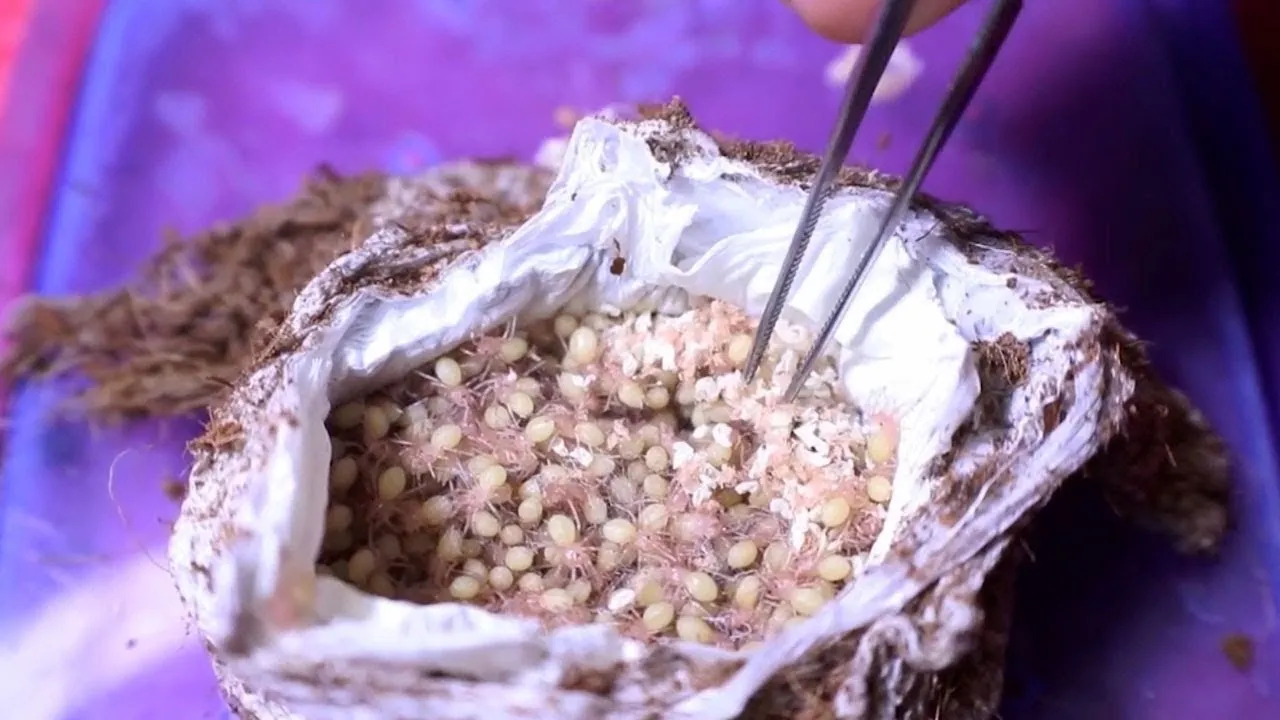
The egg-laying process in tarantula hawks is a critical stage in their lifecycle, marked by a meticulous and strategic approach. Following mating, the female tarantula hawk begins her hunt for a tarantula spider. The hunt can be a long and arduous task, depending on the habitat and availability of suitable hosts. Once a tarantula is located, the wasp carefully assesses the situation, often engaging in a brief combat with the spider. The wasp is using its stinger to paralyze the tarantula. After paralyzing the spider, the female wasp drags her prey to a safe location. This is typically a burrow or sheltered area where the spider can be protected from potential predators. The female then lays a single egg, usually on the tarantula’s abdomen. This is a delicate process, as the wasp must position the egg in a way that maximizes the larva’s access to its future food source. The eggs are typically small, oval-shaped, and creamy white in color. The meticulous care and precision of the egg-laying process ensure the success of the next phase of the lifecycle, the hatching of the eggs and the development of the larva.
Location of Eggs
The location where tarantula hawk eggs are laid is strategically chosen to maximize the chances of survival for the developing larva. The female wasp carefully selects a location that provides both protection and a readily available food source. After paralyzing the tarantula, the wasp usually transports it to a burrow or another sheltered space, like under a rock or in a secluded crevice. These locations offer protection from the elements and potential predators, allowing the larva to develop in a relatively safe environment. The egg itself is typically attached to the abdomen of the paralyzed tarantula. This position ensures that when the egg hatches, the larva has immediate access to a fresh and nutritious food source. The choice of location highlights the tarantula hawk’s remarkable understanding of its environment. The female’s careful selection of location greatly influences the survival chances of the egg and the larva that will emerge from it. The combination of protection and easy access to food is a key element in the tarantula hawk’s reproductive strategy. The nest serves as a cradle, a dining hall, and a safe haven for the developing larva.
The Hatching Process
The hatching process of tarantula hawk eggs marks the beginning of the larval stage, a crucial period in the wasp’s development. The process itself is a marvel of nature, taking place within the confines of the tarantula host. Once the egg has matured, the larva emerges, often appearing as a tiny, pale grub. The hatching is triggered by a combination of factors, including temperature and humidity. The larva immediately begins feeding on the paralyzed tarantula, starting with the less vital parts of the spider. The initial stages of feeding involve consuming the spider’s hemolymph, and then gradually progressing to the spider’s tissues. The larva grows rapidly during this phase, molting several times as it sheds its exoskeleton. The hatching process is a delicate balance. The larva needs to consume enough food to grow, but it must also be careful to avoid causing the tarantula to decompose too quickly, which would render it an unsuitable food source. The process highlights the intricate relationship between predator and prey, and showcases the remarkable adaptation of the tarantula hawk to its unique lifestyle. The tarantula’s paralysis ensures that the larva has access to a fresh food supply. The hatching is a carefully orchestrated beginning to the tarantula hawk’s life cycle, driven by a need to survive and the availability of a suitable host.
Hatching Timeline

The hatching timeline of tarantula hawk eggs is a fascinating aspect of their lifecycle, varying slightly based on environmental conditions. After the egg is laid on the tarantula, there is a waiting period. The egg typically hatches within a few days to a week, although this can be influenced by temperature and humidity. Warmer temperatures often speed up the hatching process, while colder conditions can extend it. Once the larva emerges, it begins to feed immediately, and the duration of the larval stage depends on the size and health of the tarantula host. The larva goes through several molting stages as it grows. The entire larval stage typically lasts for a few weeks. After the larval stage is complete, the larva spins a cocoon around itself, where it transforms into a pupa. The pupal stage can last for several weeks or even months, depending on the species and the time of year. The hatching timeline is a precise orchestration of events, ensuring that the larva has enough time to grow, develop, and prepare for its transformation into an adult tarantula hawk. The eggs’ strategic timing and adaptation to their environment ensures the survival and perpetuation of the tarantula hawk’s life cycle.
What Does the Larva Eat?
The tarantula hawk larva has a simple, yet critical, diet: the body of a paralyzed tarantula. The larva hatches from its egg and immediately begins to consume its host. The larva feeds externally on the tarantula’s body, starting with the less vital parts, such as the hemolymph. Then, it gradually works its way inward, consuming the tissues and organs of the spider. The larva cleverly avoids consuming the tarantula’s vital organs too quickly. It prolongs the host’s life as much as possible to ensure a steady supply of food. This allows the larva to grow and develop at a steady pace. As the larva grows, it molts several times, shedding its exoskeleton to accommodate its increasing size. The tarantula, although paralyzed, remains a food source throughout the entire larval stage. By the time the larva is ready to pupate, it has consumed almost the entire spider, leaving behind only the exoskeleton. The larva’s diet is a testament to its predatory nature and the intricate relationship between the tarantula hawk and its prey. The efficiency with which the larva consumes the tarantula is a key factor in its survival and development into an adult wasp.
The Development of the Larva
The development of the tarantula hawk larva is a remarkable process of growth and transformation, beginning with the hatching of the egg. The larva, when it first emerges, is a small, pale grub-like creature. Its primary task is to feed and grow, consuming the body of the paralyzed tarantula. The larva’s development is characterized by a series of molting stages. The larva sheds its exoskeleton multiple times, allowing it to grow larger. Each molt signifies a growth spurt, and the larva steadily increases in size as it consumes more of the tarantula. The larva’s body undergoes structural changes internally as it develops. The larval stage can last for several weeks, with the length of time depending on factors such as temperature and the size of the tarantula host. During this stage, the larva transforms from a simple grub into a more complex form, preparing itself for the pupal stage. The development of the larva highlights nature’s ability to orchestrate complex processes that ensure the survival and continuation of the tarantula hawk life cycle. The success of the larva’s transformation is a crucial element in the overall success of the species. The tarantula hawk larva exemplifies the efficiency and adaptability of insect development.
From Larva to Adult Tarantula Hawk

The transition from larva to adult tarantula hawk is a transformative journey, involving the process of pupation and metamorphosis. After the larval stage is complete and the tarantula has been completely consumed, the larva spins a cocoon. This cocoon acts as a protective casing where the larva can undergo a metamorphosis. Inside the cocoon, the larva transforms into a pupa, a non-feeding, resting stage. During the pupal stage, the larva undergoes a complete restructuring of its body, developing the characteristic features of the adult tarantula hawk. The pupa is a critical period in the wasp’s development, during which its larval body is broken down and reassembled into the adult form. The length of the pupal stage can vary, depending on the species of tarantula hawk and the prevailing environmental conditions. After several weeks or months, the adult tarantula hawk emerges from the cocoon. The emergence is a moment of triumph, as the new wasp breaks free from its protective shell and ventures out into the world. This marks the end of the metamorphosis and the beginning of the adult wasp’s life, where it will seek mates and continue the cycle. The process from larva to adult is a fascinating example of biological transformation, showcasing nature’s ability to create complex organisms from relatively simple starting points.
The Adult Tarantula Hawk
The adult tarantula hawk is a magnificent creature, instantly recognizable by its imposing size and vibrant coloration. Adult wasps are typically characterized by a metallic blue-black body and orange wings. The females are larger than the males, and are known for their ability to hunt and paralyze tarantula spiders. Their powerful stinger is used to immobilize the tarantulas, which then serve as hosts for their eggs. The adult tarantula hawk primarily feeds on nectar and pollen, which it gathers from flowers. The adults play a key role in the ecosystem, contributing to pollination. The females are often seen searching for tarantulas, a process that can be quite dramatic. The males, on the other hand, focus on finding mates. The adult tarantula hawk’s life is short but impactful. They contribute to the survival of the species through reproduction and the vital role they play in the ecological food web. The adult stage represents the culmination of the wasp’s development, a powerful reminder of nature’s diversity and resilience. The adult tarantula hawk embodies both beauty and danger, a testament to its unique role in the natural world.
Amazing Facts About Tarantula Hawk Eggs Hatching
The hatching of tarantula hawk eggs is a truly amazing process, filled with fascinating facts that highlight the unique adaptations and strategies of this incredible insect. From the egg-laying process to the emergence of the larva, the hatching of these eggs is a crucial phase in the tarantula hawk lifecycle. Here are some amazing facts about the process:
- The female tarantula hawk uses her stinger to paralyze the tarantula. The wasp then lays a single egg on the spider’s abdomen.
- The eggs are typically small, oval-shaped, and creamy white. The female wasps carefully choose locations that provide both protection and an accessible food source.
- Hatching timeline can vary based on environmental factors, such as temperature and humidity. Warmer temperatures generally speed up the hatching process, while colder temperatures slow it down.
- The larva emerges from the egg as a small, pale grub and immediately begins to feed on the paralyzed tarantula. They feed externally, starting with the spider’s less vital parts.
- The larva undergoes several molting stages as it grows. It sheds its exoskeleton to accommodate its increasing size.
- After the larval stage is complete, the larva spins a cocoon around itself, where it transforms into a pupa.
The hatching process is a testament to the complex and often hidden wonders of the natural world. The tarantula hawk eggs and their hatching process are a true marvel of nature, showcasing the intricate connections between predator and prey, and the remarkable adaptations of the species.